

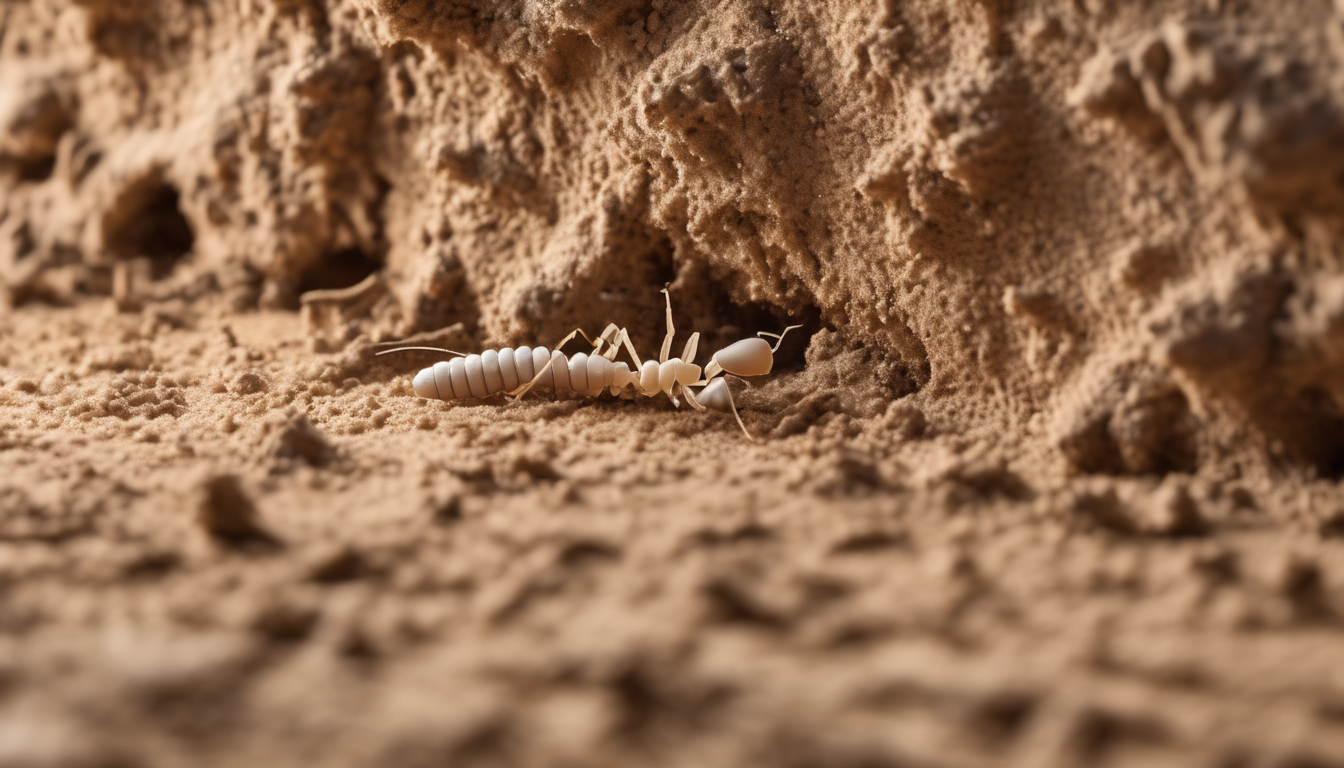

Preventing termite mud tube formation in properties begins with understanding why termites build these structures in Dubai’s unique environment. termites construct mud tubes primarily for moisture retention, protection from predators, and creating stable pathways between their underground colonies and above-ground food sources. In the UAE’s harsh climate, where surface temperatures regularly exceed 45°C during summer months, these mud tubes become essential survival structures that allow termites to access wooden elements in villas, towers, and commercial properties while maintaining the high humidity levels their delicate bodies require.
The process of Preventing Termite Mud tube formation in properties requires a multi-faceted approach addressing moisture sources, structural vulnerabilities, and landscape management. Unlike temperate climates where termite activity may be seasonal, Dubai’s combination of extreme heat, extensive irrigation, and modern construction creates year-round conditions favorable to subterranean termites. Successful prevention strategies must account for these local factors while recognizing that mud tube formation indicates an established colony nearby seeking expansion opportunities.
This guide explores comprehensive methods for preventing termite mud tube formation in properties, drawing from extensive field experience with Dubai’s predominant termite species including Psammotermes hybostoma and Microcerotermes varieties. We’ll examine how irrigation patterns, construction details, and maintenance practices either discourage or encourage mud tube development, providing property owners with practical steps to protect their investments from this silent threat.
Preventing Termite Mud Tube Formation In Properties – Understanding Termite Mud Tube Biology in UAE Conditions
Preventing termite mud tube formation in properties requires fundamental knowledge of why termites invest energy in constructing these elaborate pathways. In Dubai’s environment, mud tubes serve three critical functions: moisture conservation, temperature regulation, and protection from predators. Termites possess soft cuticles that lose moisture rapidly in dry conditions, making the UAE’s low humidity and high temperatures particularly challenging. Mud tubes maintain humidity levels above 90% inside, allowing termites to travel from their underground colonies to above-ground food sources without desiccating.
The construction process begins when worker termites mix soil particles with saliva and fecal material to create a cement-like substance. They build upward from the ground, following chemical trails and moisture gradients toward wooden structures. In Dubai properties, common starting points include irrigation lines, condensate drain outlets, and areas where landscape watering keeps soil consistently moist. The tubes typically measure 6-12mm in diameter and may contain multiple passageways for incoming and outgoing traffic.
Recognizing early mud tube formation is crucial for preventing termite mud tube formation in properties before extensive networks develop. Initial tubes appear as thin, dirt-colored lines extending vertically from soil contact points. In advanced infestations, tubes branch extensively and may be found on foundation walls, inside expansion joints, or concealed behind exterior cladding. Regular inspection of these vulnerable areas allows early intervention before tubes mature into established highways enabling continuous termite access.
Preventing Termite Mud Tube Formation In Properties – Moisture Control Strategies for Preventing Termite Mud Tube
Effective moisture management represents the most critical aspect of preventing termite mud tube formation in properties throughout the UAE. Termites cannot survive without accessible water sources, making moisture control your primary defense strategy. In Dubai’s landscaped communities, irrigation systems often provide ideal conditions for termite colony establishment near structures. Adjusting watering schedules, repairing leaks, and improving drainage can significantly reduce termite attraction to your property.
Begin by evaluating irrigation patterns around your villa or building. Many Dubai properties receive excessive watering, particularly in planted areas adjacent to foundations. Reduce irrigation frequency to allow soil surfaces to dry between waterings, as termites prefer consistently moist conditions. Install drip irrigation instead of spray systems to minimize widespread soil moisture, and position emitters at least 60cm from foundation walls. Consider using moisture sensors or smart irrigation controllers that adjust watering based on actual soil conditions rather than fixed schedules.
Addressing Structural Moisture Sources
Beyond landscape irrigation, numerous structural elements contribute to moisture conditions that encourage mud tube formation. Air conditioning condensate lines often discharge near foundations, creating permanent damp spots that termites detect from considerable distances. Extend these drains to discharge at least 2 metres from the building or into proper drainage systems. Similarly, repair leaking pipes, faulty gutter systems, and poorly directed downspouts that deposit water against foundation walls.
Inside properties, address plumbing leaks promptly and ensure bathroom ventilation systems function effectively to reduce humidity levels. In basements and ground-floor areas, use dehumidifiers to maintain relative humidity below 50%, making these spaces less attractive to foraging termites. For properties with swimming pools or water features, ensure proper sealing and regular maintenance to prevent seepage into adjacent soils.
Preventing Termite Mud Tube Formation In Properties – Structural Modification Techniques for Mud Tube Prevention
Physical barriers and structural modifications play a crucial role in preventing termite mud tube formation in properties by eliminating access points and creating termite-resistant conditions. Dubai’s construction methods, while modern, often include details that inadvertently facilitate termite movement from soil to wooden elements. Addressing these vulnerabilities requires careful examination of foundation types, expansion joints, and service penetrations.
For new construction or major renovations, incorporate physical termite barriers during building phases. Stainless steel mesh systems installed around foundations and service penetrations create impenetrable barriers that force termites into visible areas where they can be detected and treated. Chemical soil barriers using non-repellent termiticides like fipronil or imidacloprid provide long-term protection when properly applied to soil around and beneath foundations.
Existing properties benefit from retrofitting measures that disrupt potential termite pathways. Install metal flashing at foundation-to-wall junctions, particularly where decorative stonework or cladding might conceal mud tube development. Seal expansion joints with flexible sealants that termites cannot penetrate, and ensure all utility penetrations through foundations are properly sealed with pest-resistant materials. Create至少30cm clearance between soil surfaces and wooden elements such as deck supports, stair stringers, and exterior trim work.
Landscape Management Approaches to Disrupt Termite Pathways
Landscaping decisions significantly impact efforts aimed at preventing termite mud tube formation in properties throughout Dubai and the wider UAE. The region’s extensive use of irrigated gardens, planters, and green spaces creates ideal termite habitat when improperly managed. Strategic landscape design and maintenance practices can dramatically reduce termite pressure on structures by eliminating convenient pathways and food sources.
Maintain a minimum 45cm gap between soil or mulch and any wooden portions of the structure. This clearance makes mud tube construction more difficult and allows visual inspection of foundation areas. Avoid using wooden mulch near foundations, as it provides both food and moisture retention that supports termite colonies. Instead, use inorganic mulches like gravel or stone in perimeter zones, particularly beneath windows and near door frames where hidden termite entry might occur.
Carefully position trees, shrubs, and other planting to prevent contact with structures. Overhanging branches can provide termites with alternative pathways onto roofs or upper levels, while root systems may create hidden channels through foundation cracks. Regularly trim vegetation to maintain clearance, and consider root barriers for large trees planted near buildings. Remove dead stumps, fallen branches, and other cellulose debris from property grounds, as these serve as secondary food sources that support termite colonies while they attempt to access the main structure. This relates directly to Preventing Termite Mud Tube Formation In Properties.
Professional Prevention Treatments for High-Risk Properties
While homeowner efforts contribute significantly to preventing termite mud tube formation in properties, professional treatments provide essential reinforcement for comprehensive protection. In Dubai’s termite-prone environment, even well-maintained properties benefit from expert intervention, particularly those located in areas with known termite activity or specific risk factors like high water tables or extensive landscaping.
Soil treatment applications by certified professionals create chemical barriers that either repel termites or eliminate them upon contact. Modern non-repellent termiticides such as fipronil work particularly well in UAE sandy soils, providing protection for 5-10 years when properly applied. These treatments involve trenching around foundations, rodding into soil beneath slabs, and treating expansion joints and other critical areas. The average cost for a standard villa treatment ranges from AED 2,500 to AED 4,500 depending on property size and soil conditions.
Baiting systems offer an alternative approach to preventing termite mud tube formation in properties by intercepting termites before they reach structures. Stations containing cellulose material and slow-acting insecticides are placed around the property perimeter. When termites discover and feed on these stations, they carry the insecticide back to the colony, ultimately eliminating the entire population. Regular monitoring allows professionals to detect activity early and respond before mud tubes appear on structures. This method proves particularly effective for properties where soil treatments aren’t feasible due to landscaping features or construction details.
Monitoring and Early Detection Systems
Regular monitoring forms the foundation of successful strategies for preventing termite mud tube formation in properties by identifying activity before extensive tube networks develop. In Dubai’s climate, where termites remain active year-round, implementing systematic inspection routines allows property owners to detect early warning signs and intervene before significant damage occurs.
Establish a quarterly inspection schedule focusing on critical areas where mud tubes typically originate. Examine foundation walls, expansion joints, utility penetrations, and areas where irrigation maintains moist soil conditions. Use a bright flashlight and probing tool to check for early tube development, particularly in concealed spaces behind exterior cladding or within crawl spaces. Pay special attention to areas where different materials meet, as these junctions often provide hidden pathways for termite movement. When considering Preventing Termite Mud Tube Formation In Properties, this becomes clear.
Professional monitoring systems enhance detection capabilities through specialized equipment and experienced observation. Infrared thermal cameras can identify moisture patterns behind walls that indicate hidden termite activity, while acoustic detection devices pick up feeding sounds within wood members. For high-value properties or those with previous termite issues, consider installing permanent monitoring stations around the perimeter that professionals can check regularly for early activity signs.
Expert Prevention Tips for Dubai Property Owners
Based on extensive field experience with preventing termite mud tube formation in properties across the UAE, these practical tips address common vulnerabilities in Dubai’s built environment:
- Schedule irrigation systems to operate during early morning hours, allowing surface moisture to evaporate before termites’ peak foraging periods in evening hours
- Install downspout extensions that direct water至少1.5 metres from foundation walls to prevent soil saturation near structures
- Use pressure-treated wood for any exterior elements that contact soil, such as deck posts, fence bases, or landscape timbers
- Seal expansion joints and cracks in foundations with polyurethane sealant, which termites cannot penetrate as easily as silicone-based products
- Maintain至少45cm clearance between soil level and wooden elements of the structure, including siding, trim, and door frames
- Store firewood, lumber, and other cellulose materials至少45cm above ground and away from structures
- Ensure proper grading around foundations to direct water away from the structure, with至少5cm drop per metre of distance
- Schedule annual professional inspections, particularly before and after the summer months when termite activity often increases
Frequently Asked Questions
How quickly can termites build mud tubes in Dubai conditions?
Under ideal conditions in the UAE, termites can construct exploratory mud tubes at rates of several centimetres per day. Once they establish a reliable food source, main foraging tubes can extend several metres within weeks. The combination of warm temperatures, available moisture, and sandy soil allows rapid tube construction compared to temperate regions.
Can I remove mud tubes myself without professional treatment?
While physically removing visible mud tubes may provide temporary satisfaction, it does not address the underlying termite colony. Workers typically rebuild damaged tubes within days, often creating additional hidden pathways. Professional treatment targeting the colony itself is necessary for complete resolution of termite issues.
Are some Dubai communities more prone to termite mud tube formation?
Properties in communities with extensive landscaping, high water tables, or older construction tend to experience higher termite pressure. Areas like The Springs, Meadows, and older sectors of Jumeirah often see more activity due to mature gardens and irrigation systems. However, termites occur throughout the UAE and can affect any property with accessible moisture and cellulose materials. The importance of Preventing Termite Mud Tube Formation In Properties is evident here.
What is the typical cost for professional termite prevention in Dubai?
Basic soil barrier treatments for a standard villa typically range from AED 2,500 to AED 4,500, while comprehensive prevention programs including monitoring stations may cost AED 5,000 to AED 8,000 annually. Commercial properties and larger villas require customized pricing based on square footage and specific risk factors.
Preventing termite mud tube formation in properties requires understanding both termite biology and Dubai’s unique environmental conditions. By addressing moisture sources, modifying structural vulnerabilities, implementing strategic landscaping practices, and engaging professional treatments when necessary, property owners can significantly reduce the risk of termite infestations. Regular monitoring and early intervention remain crucial, as detecting termite activity before extensive mud tube networks develop allows for more effective and less invasive treatment options. Remember that successful termite prevention represents an ongoing process rather than a one-time application, particularly in the UAE’s climate where termites remain active throughout the year.
