


Differentiating termite tubes from ant trails represents one of the most critical diagnostic skills for Dubai property owners. In the UAE’s unique desert climate, both pests create visible pathways, but their implications for your property’s structural integrity differ dramatically. Termite mud tubes signal active infestation that can compromise building foundations and wooden structures, while ant trails typically indicate foraging activity with less severe consequences. This comprehensive guide examines the visual characteristics, construction methods, and diagnostic approaches for accurately Differentiating Termite Tubes from ant trails in Dubai’s specific environmental conditions.
The urgency of differentiating termite tubes from ant trails becomes particularly apparent when considering Dubai’s construction landscape. With extensive use of imported timber in luxury villas, high-rise buildings with complex irrigation systems, and the prevalence of landscaped gardens that create ideal termite habitats, proper identification directly impacts treatment decisions and cost implications. Misidentification can lead to either unnecessary expenditure on ant treatments or catastrophic delay in addressing termite infestations.
Differentiating Termite Tubes From Ant Trails – Visual Characteristics Differentiating Termite Tubes
Differentiating termite tubes from ant trails begins with understanding their distinct visual characteristics. Termite Mud Tubes in Dubai properties typically appear as continuous, muddy-looking tunnels approximately 6-12mm wide. These structures maintain consistent diameter throughout their length and exhibit a rough, earthy texture composed of soil particles, wood fragments, and termite saliva. The colour ranges from dark brown to sandy beige, blending with local soil conditions. When broken open, active tubes reveal moist interior walls and may contain worker termites moving through the passage.
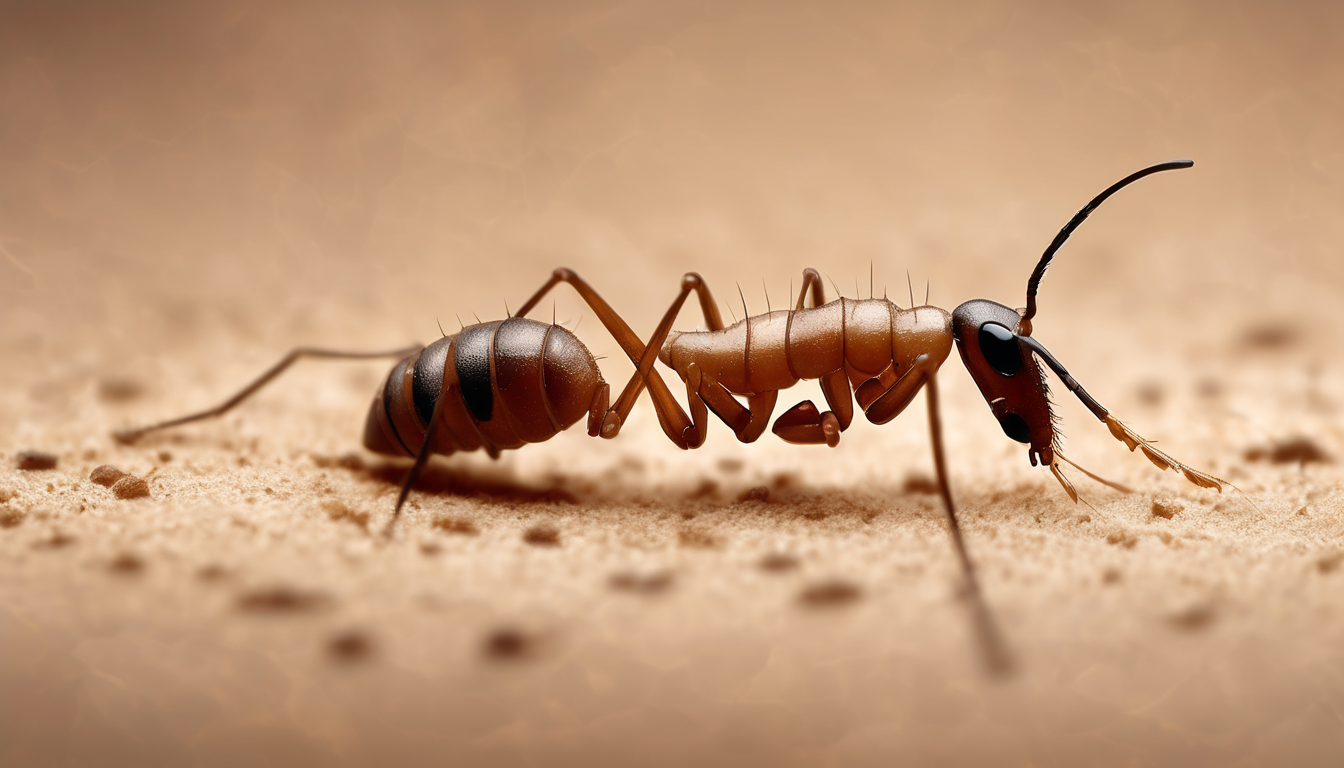
Ant trails present entirely different visual markers. Rather than constructed tunnels, ant trails represent pheromone-marked pathways followed by foraging ants. These appear as lines of individual ants moving in both directions between food sources and nests. The ants themselves are visible and identifiable by their segmented bodies, narrow waists, and often darker coloration. Unlike the permanent mud structures of termites, ant trails disappear when the food source is removed or when ants change foraging patterns. This transient nature provides a key diagnostic feature when differentiating termite tubes from ant trails.
Differentiating Termite Tubes From Ant Trails – Construction Methods Termite Versus Ant
The construction methodologies behind these structures provide fundamental clues for differentiating termite tubes from ant trails. Termites engineer mud tubes as protective passageways between their underground colonies and above-ground food sources. Worker termites meticulously construct these tubes using soil particles mixed with saliva and faecal matter, creating a hardened clay-like material that maintains humidity and protects against predators. In Dubai’s extreme summer heat, these tubes function as microenvironment regulators, maintaining the high humidity levels termites require for survival.
Ant trails represent entirely different biological mechanisms. Rather than physical construction, ants establish trails through chemical communication. Scout ants deposit pheromones along successful foraging routes, which other ants then follow through scent detection. These chemical pathways require no physical construction and can be established across virtually any surface. The absence of building materials distinguishes ant trails from the substantial mud architecture of termite tubes. Understanding these biological differences proves essential when differentiating termite tubes from ant trails during property inspections.
Differentiating Termite Tubes From Ant Trails – Location Patterns Dubai Properties
Location patterns provide critical context for differentiating termite tubes from ant trails in Dubai properties. Termite mud tubes typically follow structural pathways that offer protection and moisture retention. Common locations include foundation walls, concrete slab edges, expansion joints, plumbing penetrations, and behind skirting boards. In UAE villas, termites frequently build tubes along the interface between landscaped areas and building foundations, particularly where irrigation maintains soil moisture. These vertical or diagonal structures often connect ground-level entry points to wooden elements in upper levels.
Ant trails demonstrate entirely different spatial patterns that aid in differentiating termite tubes from ant trails. Ants typically establish trails along the most direct routes between nest sites and food sources. In Dubai homes, these often appear along kitchen counter edges, across flooring, along window frames, or following electrical wiring conduits. Unlike the structural-focused termite tubes, ant trails frequently cross open spaces and may change location daily based on food availability. This mobility and preference for food-rich areas versus structural pathways provides reliable diagnostic markers.
Moisture Requirements UAE Conditions
Moisture dependency represents a crucial factor in differentiating termite tubes from ant trails under UAE climate conditions. Termites possess soft cuticles that desiccate rapidly in dry air, making moisture conservation essential for survival. Their mud tubes function as humidity-controlled environments that enable movement through Dubai’s arid atmosphere. The clay-like construction retains moisture from the soil below and prevents evaporation, creating the high-humidity microenvironment termites require. This moisture dependency means termite tubes consistently connect to moisture sources such as soil, leaking pipes, or condensation areas.
Ants exhibit significantly different moisture relationships that assist in differentiating termite tubes from ant trails. Most ant species common in Dubai properties possess waterproof cuticles that enable survival in dry conditions. While ants require water sources for colony survival, they don’t need protected humid environments for movement. Ant trails may lead to moisture sources but don’t themselves provide humidity protection. This fundamental biological difference means ant trails can exist in completely dry locations, while termite tubes consistently maintain connection to moisture reservoirs.
Inspection Costs Professional Assessment
Professional inspection represents the most reliable method for differentiating termite tubes from ant trails, with costs varying based on property size and complexity. Basic visual inspections for Dubai apartments and small villas typically range from AED 500-800, while comprehensive inspections for larger villas with landscaped gardens may cost AED 1,200-1,800. These inspections include moisture mapping, thermal imaging, and detailed reporting with photographic evidence. The investment in professional differentiation proves cost-effective compared to potential structural repair costs from misidentified termite activity.
| Property Type | Inspection Scope | Cost Range (AED) | Time Required |
|---|---|---|---|
| Apartment | Visual inspection, moisture tests | 500-700 | 1-2 hours |
| Small Villa | Basic comprehensive inspection | 800-1,200 | 2-3 hours |
| Large Villa | Full inspection with thermal imaging | 1,200-1,800 | 3-4 hours |
| Commercial | Detailed assessment with report | 1,500-2,500 | 4-6 hours |
Treatment Cost Comparison Dubai
Treatment costs vary dramatically based on accurate differentiating termite tubes from ant trails, reflecting the different intervention requirements. Ant treatments typically involve bait stations or perimeter spraying costing AED 300-600 for most Dubai properties. These treatments focus on eliminating foraging trails and nest sites without structural modifications. Termite treatments require comprehensive soil treatment, wood treatment, and often structural repairs, with costs ranging from AED 2,500-8,000 depending on infestation severity and property size.
The financial implications of misdifferentiating termite tubes from ant trails can be substantial. Treating ant trails as termite infestations may result in unnecessary chemical applications costing thousands of dirhams. Conversely, mistaking termite tubes for ant trails delays critical interventions, potentially allowing structural damage to progress. This damage repair in Dubai villas often exceeds AED 15,000-40,000 for significant infestations, making accurate initial differentiation both financially prudent and structurally essential.
Prevention Strategies UAE Homes
Effective prevention strategies depend on accurate differentiating termite tubes from ant trails and addressing their distinct attractants. For termite prevention, focus on moisture control through proper drainage, irrigation management, and foundation ventilation. Physical barriers during construction and regular professional inspections represent the most effective prevention, typically costing AED 1,000-2,000 annually for monitoring programs in Dubai villas. These strategies target the moisture and wood access requirements that drive termite tube construction.
Ant prevention requires different approaches centered on food source elimination and entry point sealing. Maintaining clean surfaces, storing food in sealed containers, and sealing cracks around windows and doors prove most effective. Professional ant prevention treatments typically cost AED 400-800 annually for Dubai properties. Understanding these different prevention requirements highlights the importance of accurately differentiating termite tubes from ant trails before implementing control measures. Regular monitoring and early intervention remain the most cost-effective strategies for both pest types.
Expert Tips for Differentiating Termite Tubes from Ant Trails
- Conduct morning inspections when termite activity peaks and mud tubes show moisture content most clearly
- Use a moisture meter to test suspected tubes – termite structures maintain humidity above 70%
- Break open a small section of suspected tube – active termite tubes will be repaired within 24-48 hours
- Observe movement patterns – termites avoid light and quickly retreat when exposed
- Check for wood damage near suspected tubes – termites consume wood from inside out
- Look for frass (termite droppings) – unlike ant debris, this appears as granular pellets
- Monitor irrigation areas – termite tubes frequently originate from overwatered landscape zones
Frequently Asked Questions
How quickly should I act if I find termite tubes? Immediate professional inspection is recommended within 24-48 hours. Termites work continuously and delay increases damage extent and treatment costs.
Can ants and termites coexist in the same property? Yes, particularly in Dubai villas with both food sources and moisture conditions. Professional assessment determines which requires primary treatment.
Do DIY termite treatments work in UAE conditions? Generally not recommended. Dubai’s termite species require specific chemical formulations and application methods for effective control.
How often should I inspect for termite tubes? Quarterly inspections are recommended for Dubai properties, particularly before and after summer months when termite activity increases.
Are termite tubes always visible? No, many termite tubes remain concealed within walls or under flooring. Professional inspections using specialized equipment detect hidden activity.
Accurately differentiating termite tubes from ant trails represents essential knowledge for Dubai property owners. The distinct biological requirements, construction methods, and location patterns provide reliable diagnostic markers when properly understood. While both pests create visible pathways, their implications for property integrity and associated treatment costs differ dramatically. Professional inspection remains the most reliable approach for definitive identification and appropriate treatment planning. Regular monitoring and early intervention provide the most cost-effective protection against both termite damage and unnecessary expenditure on ant treatments.
