

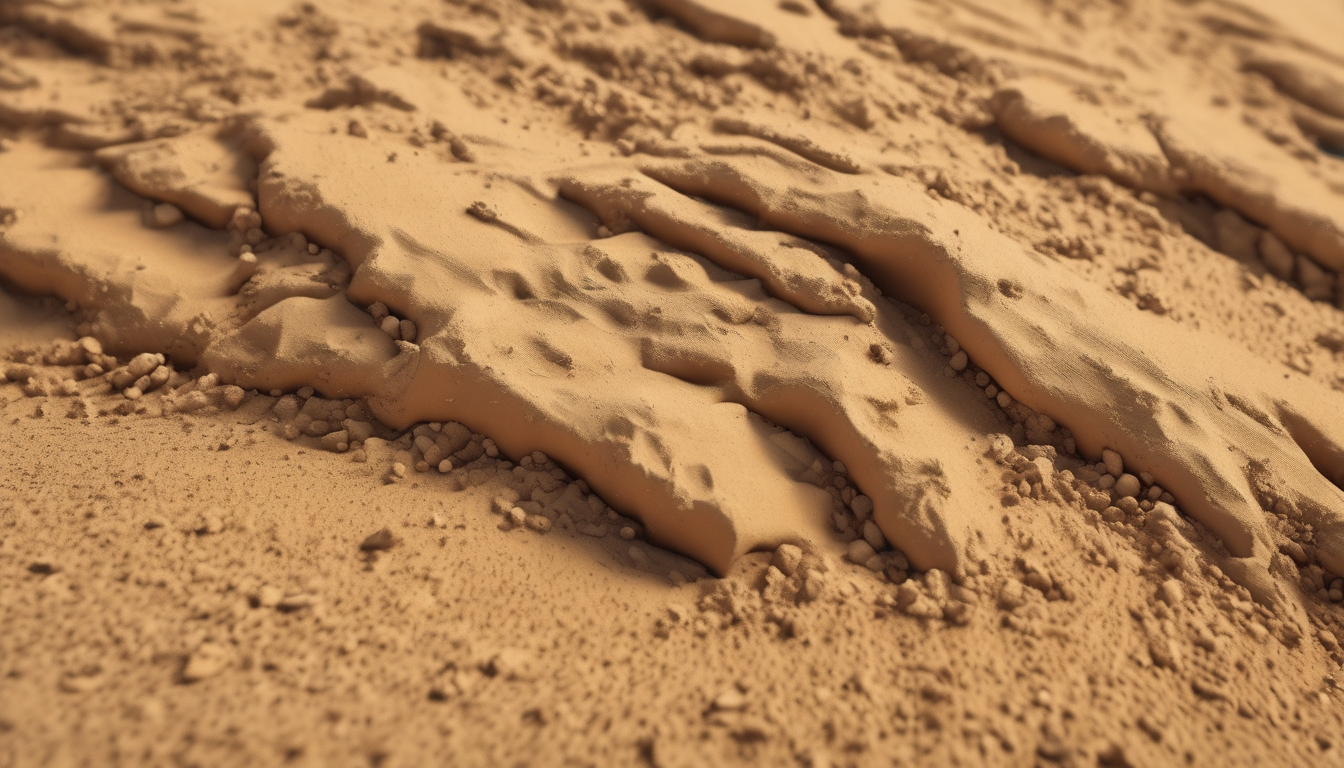

In Dubai’s harsh desert climate, where summer temperatures regularly exceed 45°C and humidity levels can drop below 20%, subterranean termites face a constant battle against desiccation and thermal stress. How termite mud tubes protect against Dubai heat represents one of nature’s most remarkable engineering solutions to extreme environmental challenges. These mud structures, often found climbing foundation walls or hidden within construction gaps, function as sophisticated microclimate control systems that enable termite colonies to survive conditions that would rapidly dehydrate and kill individual insects.
The construction of termite mud tubes in UAE properties follows precise biological programming that accounts for soil composition, moisture availability, and thermal dynamics. Workers mix soil particles with saliva and fecal material to create a clay-like substance that hardens into protective tunnels. These tubes serve multiple protective functions simultaneously: they shield termites from predators, maintain darkness to prevent desiccation, and most critically, create a controlled environment that buffers against Dubai’s extreme temperature fluctuations. Understanding How Termite Mud tubes protect against Dubai heat requires examining both the physical properties of the tubes themselves and the behavioral adaptations of the termites that build them.
How Termite Mud Tubes Protect Against Dubai Heat – Moisture Retention Strategies in UAE Conditions
How termite mud tubes protect against Dubai heat begins with their exceptional moisture retention capabilities. The clay-rich soil commonly found throughout the UAE, particularly in areas like Jumeirah and Arabian Ranches, provides ideal material for tube construction. Termites selectively gather soil particles with high clay content, which they mix with salivary secretions to create an impermeable barrier against moisture loss. This composition allows the tubes to maintain internal humidity levels above 90% even when external conditions drop to desert-dry levels of 10-15% humidity.
The wall thickness of termite mud tubes in Dubai typically measures 2-3 millimetres, significantly thicker than tubes constructed in more temperate climates. This additional mass provides greater insulation against moisture evaporation. Termites constantly monitor and repair these structures, adding fresh layers of moist clay to replace sections that have dried out. In villas with irrigation systems, termites often incorporate moisture from leaking drip lines or condensation drains into their tube construction, creating self-replenishing humidity systems that directly counter Dubai’s arid conditions.
How Termite Mud Tubes Protect Against Dubai Heat: Thermal Regulation Mechanisms
The thermal regulation function of how termite mud tubes protect against Dubai heat operates through both passive and active mechanisms. The clay composition of the tubes has high thermal mass, meaning it absorbs heat slowly and releases it gradually. This property creates a thermal lag effect that smooths out temperature extremes, keeping internal tube temperatures significantly cooler during peak daytime heat and warmer during cooler nights. Measurements taken from active termite tubes in Dubai villas show internal temperatures averaging 8-12°C lower than external surfaces during afternoon hours.
Termites enhance this passive cooling through strategic construction patterns. Tubes built on north-facing walls receive less direct sunlight, while those constructed within wall cavities benefit from additional insulation. The tunnel architecture itself promotes air circulation without excessive moisture loss, with some species creating minute ventilation channels that allow heat to escape while retaining humidity. This sophisticated understanding of how termite mud tubes protect against Dubai heat demonstrates the insects’ evolutionary adaptation to their specific environmental challenges.
How Termite Mud Tubes Protect Against Dubai Heat – Construction Adaptations for Desert Survival
Termites in Dubai have developed specific construction adaptations that optimize how termite mud tubes protect against Dubai heat. Unlike their counterparts in more temperate regions, UAE termites build tubes with smaller internal diameters, typically 6-8 millimetres versus 10-12 millimetres found elsewhere. This reduced cross-section minimizes the surface area through which heat can transfer and decreases the volume of air that requires humidity regulation. The tubes often follow indirect pathways that maximize shade exposure and minimize solar heating.
Another remarkable adaptation involves the incorporation of organic materials into tube construction. Termites foraging in landscaped areas of communities like Emirates Hills or Palm Jumeirah frequently mix cellulose fibers from plant roots and decomposing vegetation into their mud matrix. These organic components improve the structural integrity of the tubes while creating microscopic air pockets that enhance insulation properties. The resulting composite material demonstrates advanced understanding of how termite mud tubes protect against Dubai heat through material science principles that human engineers would recognize as sophisticated composite insulation technology.
Behavioral Adaptations to Extreme Heat
Beyond physical structures, termites have developed behavioral patterns that complement how termite mud tubes protect against Dubai heat. Colony activity follows distinct diurnal rhythms that minimize exposure to peak temperatures. Foraging typically occurs during cooler night hours or early morning, with workers retreating to deeper soil layers or protected tube systems during the hottest parts of the day. This behavioral thermoregulation reduces the metabolic stress on individual termites while maintaining colony function.
When external temperatures exceed critical thresholds, termites exhibit moisture-conserving behaviors that enhance how termite mud tubes protect against Dubai heat. They reduce movement to minimize metabolic water production, cluster together to reduce surface area, and may even enter temporary states of reduced metabolic activity. These adaptations work synergistically with the physical protection provided by mud tubes, creating a multi-layered survival strategy that has allowed termites to colonize some of Dubai’s most challenging environments, including high-rise buildings where temperature extremes can be even more pronounced than at ground level.
Comparative Analysis: Dubai vs Other Regions
Understanding how termite mud tubes protect against Dubai heat becomes clearer when comparing tube characteristics across different climatic regions. In tropical environments with high rainfall, termites construct thinner-walled tubes that prioritize drainage over moisture retention. These tubes often feature more open architecture that allows excess moisture to escape. By contrast, Dubai termites build thicker, more sealed structures designed specifically for water conservation.
The composition of termite mud tubes also varies significantly. Tubes collected from UAE properties show higher clay content and lower organic matter compared to samples from more temperate regions. This composition directly addresses how termite mud tubes protect against Dubai heat by maximizing moisture retention properties. The chemical composition of the salivary secretions used to bind the tubes also differs, with Dubai termites producing secretions that create more effective moisture barriers when exposed to high temperatures and low humidity conditions.
Property Protection Implications
For Dubai property owners, understanding how termite mud tubes protect against Dubai heat provides critical insights for effective termite management. The same environmental factors that make mud tubes necessary for termite survival also create vulnerabilities that can be exploited in control strategies. Since termites depend on maintained humidity within their tubes, disrupting this moisture balance proves highly effective. Property owners should address irrigation leaks, improve drainage, and reduce humidity around foundations to compromise the microclimate that enables how termite mud tubes protect against Dubai heat.
Regular inspection for mud tubes should focus on areas where moisture and shade combine, particularly around air conditioning condensate drains, irrigation control valves, and shaded foundation walls. The effectiveness of how termite mud tubes protect against Dubai heat means that visible tubes often indicate established infestations rather than recent activity. Professional inspection using moisture meters and thermal imaging can detect hidden tube systems before significant damage occurs, particularly in the concealed spaces between walls and under flooring where termites create extensive networks that exemplify how termite mud tubes protect against Dubai heat.
Expert Tips for Dubai Property Owners
Based on years of field experience with how termite mud tubes protect against Dubai heat, I recommend these specific strategies for UAE property owners:
Moisture Management
Eliminate all unnecessary moisture sources within 3 metres of your structure. Repair dripping faucets, ensure proper drainage away from foundations, and schedule irrigation to allow complete drying between cycles. This directly counteracts how termite mud tubes protect against Dubai heat by removing the moisture termites need to maintain their protective microclimate.
Regular Inspection Regimen
Conduct thorough inspections every six months, focusing on north-facing walls, pipe penetrations, and expansion joints. Use a flashlight and mirror to examine hidden areas, looking for the distinctive earthen tubes that demonstrate how termite mud tubes protect against Dubai heat. Pay special attention to areas where vegetation contacts building exteriors.
Landscaping Considerations
Maintain a 30-centimetre gap between soil or mulch and wooden structural elements. Avoid using wood chips or organic mulch near foundations, as these materials retain moisture and provide additional resources that support how termite mud tubes protect against Dubai heat.
Professional Assessment
Engage a qualified pest management professional for annual inspections, particularly before the summer heat intensifies. Experts understand the specific patterns of how termite mud tubes protect against Dubai heat and can identify early signs of activity that untrained observers might miss.
Frequently Asked Questions
How long do termite mud tubes survive in Dubai’s summer heat?
Properly constructed termite mud tubes can remain functional for several months even in peak summer conditions. The clay composition and constant maintenance by worker termites enable how termite mud tubes protect against Dubai heat effectively throughout the entire hot season. Abandoned tubes may crumble within weeks without maintenance.
Can extreme summer heat kill termites inside their mud tubes?
While direct sunlight exposure can raise temperatures enough to kill termites, the regulatory mechanisms of how termite mud tubes protect against Dubai heat typically maintain survivable conditions. Termites may retreat deeper into soil or move to better-protected tubes during extreme heat events, but the system generally protects them effectively.
Do termites build different types of mud tubes in Dubai compared to other regions?
Yes, Dubai termites construct thicker-walled tubes with higher clay content specifically adapted to address how termite mud tubes protect against Dubai heat. The architecture often includes more twists and turns to maximize shade exposure and minimize direct solar heating.
How quickly can termites rebuild damaged mud tubes in Dubai’s climate?
Termites can reconstruct significant tube sections within 24-48 hours if moisture sources remain available. Their rapid rebuilding capability demonstrates the critical importance of how termite mud tubes protect against Dubai heat for colony survival.
The sophisticated mechanisms of how termite mud tubes protect against Dubai heat represent a remarkable example of biological adaptation to extreme environmental conditions. These structures function as climate-controlled highways that enable termites to access food sources while protected from the lethal combination of high temperatures and low humidity that characterize the UAE climate. For property owners, understanding these adaptations provides both appreciation for nature’s engineering and practical knowledge for detecting and addressing termite activity before significant structural damage occurs. Regular monitoring, moisture management, and professional inspections remain the most effective strategies for countering the survival advantages that how termite mud tubes protect against Dubai heat provides to these persistent pests.
