

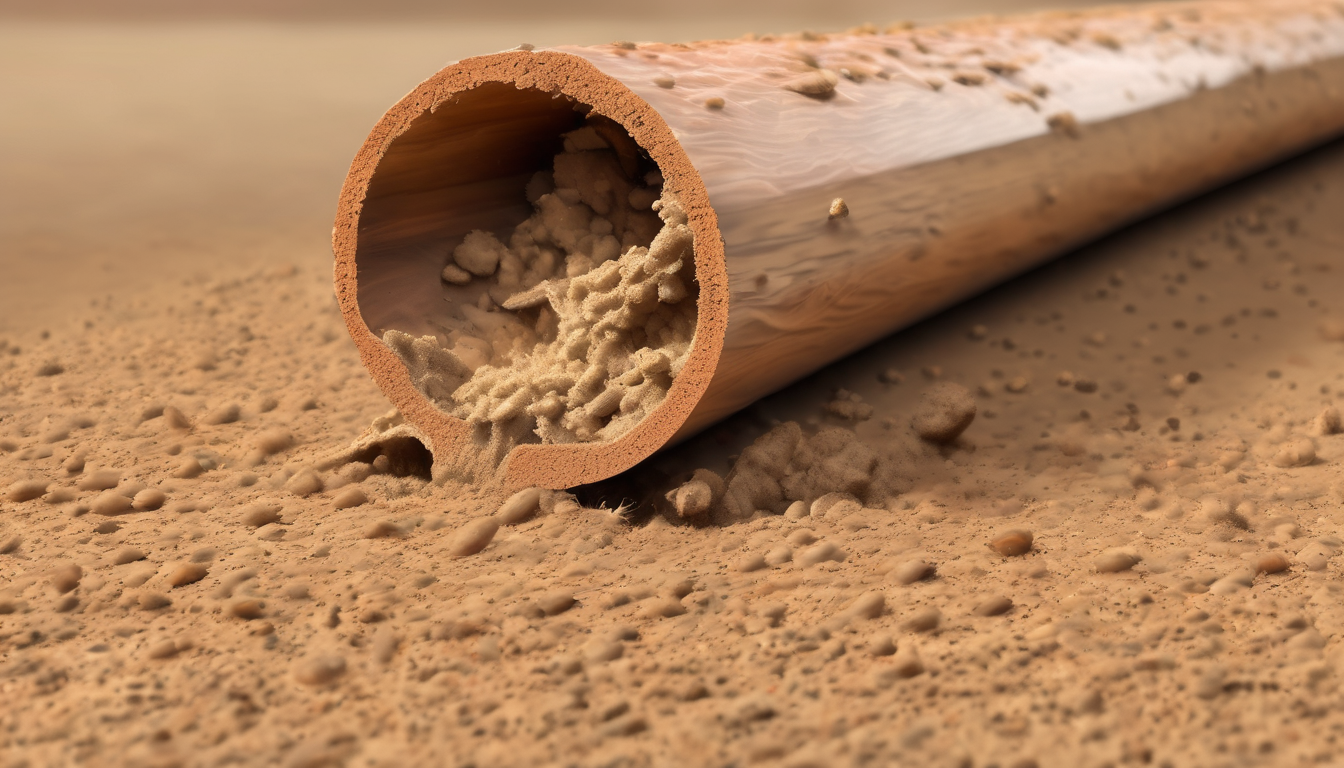

Termite mud tubes represent one of nature’s most sophisticated engineering achievements, particularly in the challenging desert environment of the UAE. As a termite specialist with over fifteen years of field experience in Dubai, I’ve observed countless termite colonies constructing these remarkable moisture-controlled passageways across villas, towers, and commercial properties. The Moisture Requirements for termite tube construction form the fundamental basis of termite survival strategy in our region, where extreme heat and low humidity would otherwise prove fatal to these soft-bodied insects.
Understanding moisture requirements for termite tube construction begins with recognising that termites are essentially aquatic organisms living in a terrestrial environment. Their delicate bodies lose moisture rapidly when exposed to dry air, making controlled humidity environments non-negotiable for their survival. In Dubai’s climate, where summer temperatures regularly exceed 45°C and relative humidity can drop below 20%, termites have evolved sophisticated moisture management systems that allow them to thrive despite these harsh conditions.
This comprehensive guide will explore the precise moisture requirements for termite tube construction, detailing how subterranean termites in the UAE manage water resources, construct their protective mud tubes, and maintain the delicate humidity balance necessary for colony survival. We’ll examine the specific adaptations that allow termites to succeed in our unique desert environment and provide practical strategies for disrupting their moisture systems to protect your property.
Understanding Moisture Requirements for Termite Tube Construction
The moisture requirements for termite tube construction begin with the termites’ physiological need to maintain approximately 75-85% body water content. Subterranean termites, particularly the species common in Dubai such as Psammotermes hybostoma, cannot survive exposure to relative humidity below 60% for extended periods. Their mud tube construction represents an ingenious solution to this environmental challenge, creating microclimates that maintain humidity levels between 90-100% even in the driest external conditions.
Termites source moisture for tube construction from several locations, with soil moisture being the primary reservoir. In Dubai’s sandy soils, termites typically dig deeper than in other regions to access moist substrate layers, often reaching depths of 2-3 metres to find adequate water content. They also utilise irrigation lines, plumbing leaks, condensation drainage, and even groundwater capillary action to obtain the necessary moisture for tube building. The termites then transport this water through their digestive systems and excrete it as part of the soil-saliva mixture that forms mud tubes.
The moisture requirements for termite tube construction vary depending on the tube’s purpose and location. Exploration tubes built across non-porous surfaces like concrete foundations require higher moisture content (approximately 35-40% water by weight) to ensure adhesion and structural integrity. In contrast, working tubes concealed within wall cavities may contain slightly lower moisture levels (25-30%) since they’re protected from direct evaporation. This precision in moisture management demonstrates the termites’ sophisticated understanding of materials science and environmental engineering.
Moisture Requirements For Termite Tube Construction – Termite Water Management Strategies in UAE Conditions
Termites in the UAE have developed exceptional water management strategies to meet their moisture requirements for termite tube construction despite the arid climate. During the cooler winter months when relative humidity rises above 60%, termites increase their tube-building activities, creating extensive networks that they will maintain throughout the year. These pre-constructed tubes serve as moisture reservoirs during the intense summer heat, with the clay particles in the soil mixture acting as natural humidity buffers.
The termites’ water conservation behaviours include selective tube maintenance, where they prioritise repairing tubes that show moisture loss rather than building new ones during dry periods. They also create moisture gradient systems within their tube networks, with higher humidity levels maintained near water sources and gradually decreasing levels in exploration tubes. This strategic moisture management allows them to conserve water while still maintaining functional passageways to food sources.
In Dubai’s landscaped properties, termites often exploit irrigation systems to meet their moisture requirements for termite tube construction. They position their nest sites near consistent water sources such as drip irrigation emitters, fountain overflow drains, or leaking irrigation valves. I’ve documented cases where termite colonies reduced their water gathering efforts by 70% simply by positioning themselves within 2 metres of reliable moisture sources, demonstrating their efficiency in resource management.
Moisture Requirements For Termite Tube Construction – Precise Moisture Level Requirements for Tube Construction
The moisture requirements for termite tube construction involve precise water content measurements that termites apparently gauge through tactile and chemical sensors. For initial tube construction, termites require soil with moisture content between 25-35% by weight, which they achieve by mixing dry soil with water carried in their digestive systems. This mixture must have exactly the right viscosity to be workable while maintaining structural integrity as it dries.
Different soil types affect the moisture requirements for termite tube construction. In Dubai’s sandy soils, termites often incorporate clay particles transported from deeper soil layers or from construction debris to improve the water retention capacity of their tubes. These clay-enhanced tubes can maintain functional humidity levels for up to 72 hours without additional moisture input, compared to pure sand tubes that might dry out within 12 hours under typical Dubai summer conditions.
Termites continuously monitor and adjust the moisture content of their tubes through a process called trophallaxis, where workers exchange fluids and assess humidity levels. When tubes begin drying out, termites increase their water gathering activities and distribute moisture along the tube network. They may also abandon sections that cannot be maintained economically, focusing their resources on the most productive foraging tubes. This economic decision-making regarding moisture allocation demonstrates the sophisticated resource management within termite colonies.
The Construction Process and Moisture Control
The construction process for termite mud tubes directly reflects the moisture requirements for termite tube construction. Worker termites begin by assessing potential pathways for moisture availability, often choosing routes that offer some protection from direct sunlight and wind exposure. They then make preliminary moisture tests by pressing their mouthparts against surfaces to detect slight moisture variations invisible to human observation.
Actual tube construction involves a precise sequence of moisture application and soil placement. Termites first deposit a thin layer of moisture-enhanced saliva onto the substrate, creating a adhesive base. They then add soil particles mixed with additional moisture, gradually building up the tube walls while maintaining consistent humidity within the structure. The entire process resembles bricklaying with mortar, where the moisture content must be precisely controlled to ensure proper bonding and structural stability.
During tube construction, termites maintain a constant humidity environment within the growing structure by stationing workers along the construction line to monitor conditions and provide additional moisture as needed. This assembly line approach allows them to construct tubes at remarkable speeds – I’ve observed Dubai termite colonies building exploratory tubes at rates of up to 15 centimetres per day when conditions are favourable. The coordination between moisture providers and construction workers represents one of the most sophisticated examples of distributed labour in the insect world.
Dubai-Specific Moisture Challenges for Termites
Dubai’s unique environmental conditions create special challenges for meeting moisture requirements for termite tube construction. The combination of extreme heat, low humidity, and intense sunlight means termites must expend significantly more energy on moisture conservation compared to colonies in more temperate climates. During summer months, when surface temperatures can reach 60°C on concrete and paving, termites restrict above-ground tube building to nocturnal hours and shaded areas.
The prevalence of air conditioning in Dubai properties creates both challenges and opportunities for termites meeting their moisture requirements for termite tube construction. While AC systems reduce indoor humidity, their condensation drainage lines often provide reliable water sources that termites exploit. I’ve frequently found termite tubes running along condensation drain pipes, where the constant moisture availability allows them to maintain tubes even during the hottest summer months.
Dubai’s irrigation practices significantly influence termite activity patterns related to moisture requirements for termite tube construction. Properties with daily irrigation provide ideal conditions for termites, while those with water-wise landscaping present greater challenges. Termites have adapted by developing deeper foraging patterns and more efficient water storage behaviours, often creating centralised moisture reservoirs within their nest systems that they ration during dry periods.
Identifying and Eliminating Moisture Sources
Effective termite management begins with understanding and controlling the moisture requirements for termite tube construction. The first step involves conducting a thorough moisture mapping exercise around your property using professional-grade moisture meters. Focus attention on areas where soil moisture readings exceed 20%, particularly near foundations, under landscaping, and around irrigation systems. These elevated moisture levels indicate potential termite water sources that require remediation.
Common moisture sources that support termite moisture requirements for termite tube construction include leaking irrigation valves, poorly directed sprinkler heads, condensation drain discharge points, and plumbing leaks. I recommend inspecting irrigation systems monthly for leaks and misdirection, ensuring that water is applied only to planting areas rather than building foundations. Condensation drains should discharge at least 2 metres from structures onto surfaces that drain quickly rather than creating persistent damp areas.
For existing termite problems, moisture control becomes even more critical in managing moisture requirements for termite tube construction. By eliminating unnecessary moisture sources and improving drainage around foundations, you force termites to expend more energy on water gathering, reducing their capacity for tube building and foraging. This moisture reduction strategy works particularly well when combined with physical barriers and targeted termiticide applications, creating multiple stress factors on the colony.
Professional Moisture Control Strategies
Professional pest management companies approach moisture requirements for termite tube construction through systematic environmental modification. We begin with comprehensive soil moisture profiling around the property, identifying areas where moisture levels consistently exceed termite survival thresholds. This data informs targeted drainage improvements, irrigation adjustments, and sometimes soil replacement to create less favourable conditions for termite activity.
Advanced moisture control strategies for managing moisture requirements for termite tube construction include installing French drains to redirect water away from foundations, creating gravel barriers to break capillary action, and using soil amendments to improve drainage. In some cases, we recommend installing physical moisture barriers such as heavy-grade polythene sheets vertically along foundation walls to prevent soil moisture accumulation from irrigation or rainfall.
For severe termite infestations where moisture requirements for termite tube construction are being met through structural defects, we conduct invasive moisture investigations using borescopes and thermal imaging cameras. These tools help identify hidden moisture sources within wall cavities, under slabs, and in roof spaces that might be supporting termite activity. Addressing these hidden moisture problems is often the key to achieving long-term termite control in Dubai properties.
Monitoring Moisture Levels for Prevention
Regular monitoring of soil moisture levels represents the most effective strategy for managing moisture requirements for termite tube construction before infestations occur. I recommend property owners invest in simple soil moisture probes and conduct monthly checks around their foundations, particularly in areas shaded by landscaping or structures. Maintain soil moisture levels below 15% within 1 metre of foundations to create unfavourable conditions for termite tube building.
Professional moisture monitoring for managing moisture requirements for termite tube construction involves installing data loggers that track soil moisture and temperature conditions over time. These devices provide valuable information about moisture patterns that might attract termites, allowing for proactive adjustments to irrigation schedules or drainage systems. The investment in professional monitoring typically ranges from AED 1,500 to AED 3,000 annually but can prevent termite damage repairs costing tens of thousands of dirhams.
For comprehensive protection against termites exploiting moisture requirements for termite tube construction, consider integrating moisture monitoring with regular professional inspections. A qualified termite specialist can identify early signs of termite activity related to moisture conditions and recommend targeted interventions before significant damage occurs. This proactive approach represents the most effective strategy for termite management in Dubai’s challenging environment.
Expert Tips for Managing Moisture Requirements
Based on my field experience with moisture requirements for termite tube construction, here are eight practical tips for Dubai property owners:
- Schedule irrigation during early morning hours to minimise evaporation and allow surfaces to dry before nightfall when termites are most active
- Maintain at least 45 centimetres of clearance between soil level and wooden structural elements to reduce moisture transfer
- Install gutter systems with downspouts that discharge at least 2 metres from foundations to prevent soil saturation
- Use moisture-resistant barriers under pavers and decking to prevent upward moisture migration into wooden structures
- Repair plumbing leaks within 24 hours to eliminate potential termite water sources
- Grade soil around foundations to slope away from structures at a minimum 5% gradient for proper drainage
- Consider installing automatic water shut-off systems that activate when moisture sensors detect leaks near foundations
- Schedule professional termite inspections every six months, with additional checks after any significant landscaping or irrigation changes
Frequently Asked Questions
How much moisture do termites need to build tubes?
Termites require soil moisture content of at least 25-35% for initial tube construction, maintaining internal humidity levels of 90-100% within completed tubes. They cannot build functional tubes when soil moisture drops below 15%.
Can termites build tubes in completely dry conditions?
No, termites cannot construct mud tubes in absolutely dry conditions. They must have access to moisture sources either from soil, water leaks, or irrigation to meet their moisture requirements for termite tube construction.
How long do termite tubes retain moisture in Dubai’s climate?
Well-constructed tubes with clay content can maintain functional moisture levels for 48-72 hours in typical Dubai conditions. Pure sand tubes may dry out within 12-24 hours without additional moisture input.
Do termites repair dried-out tubes or build new ones?
Termites typically attempt to repair existing tubes first by adding moisture and soil material. They only abandon and build new tubes when repair becomes energetically inefficient compared to new construction.
Can reducing moisture alone eliminate termite problems?
While moisture reduction significantly stresses termite colonies and reduces tube-building capacity, it rarely eliminates established infestations alone. Professional termite treatment combined with moisture management provides the most effective control.
Understanding moisture requirements for termite tube construction provides powerful insights into termite behaviour and vulnerability points. By controlling moisture availability around your property, you create significant barriers to termite establishment and foraging. Remember that termites are relentless moisture engineers, but with proper environmental management and professional guidance, you can protect your Dubai property from their destructive capabilities. Regular monitoring and proactive moisture control remain your most effective strategies against these persistent pests.
