


Texas Homeowners Guide to Termite Mud Tubes and Entry Points is an essential resource for any homeowner who wants to find termite activity early, understand how subterranean termites reach wood, and stop structural damage before it becomes costly. This guide explains what mud tubes are, where they appear on Texas foundations and slabs, how to follow them to likely colony locations, and practical measures to reduce risk and seal entry points.
Understanding Texas Homeowners Guide to Termite Mud Tubes and Entry Points
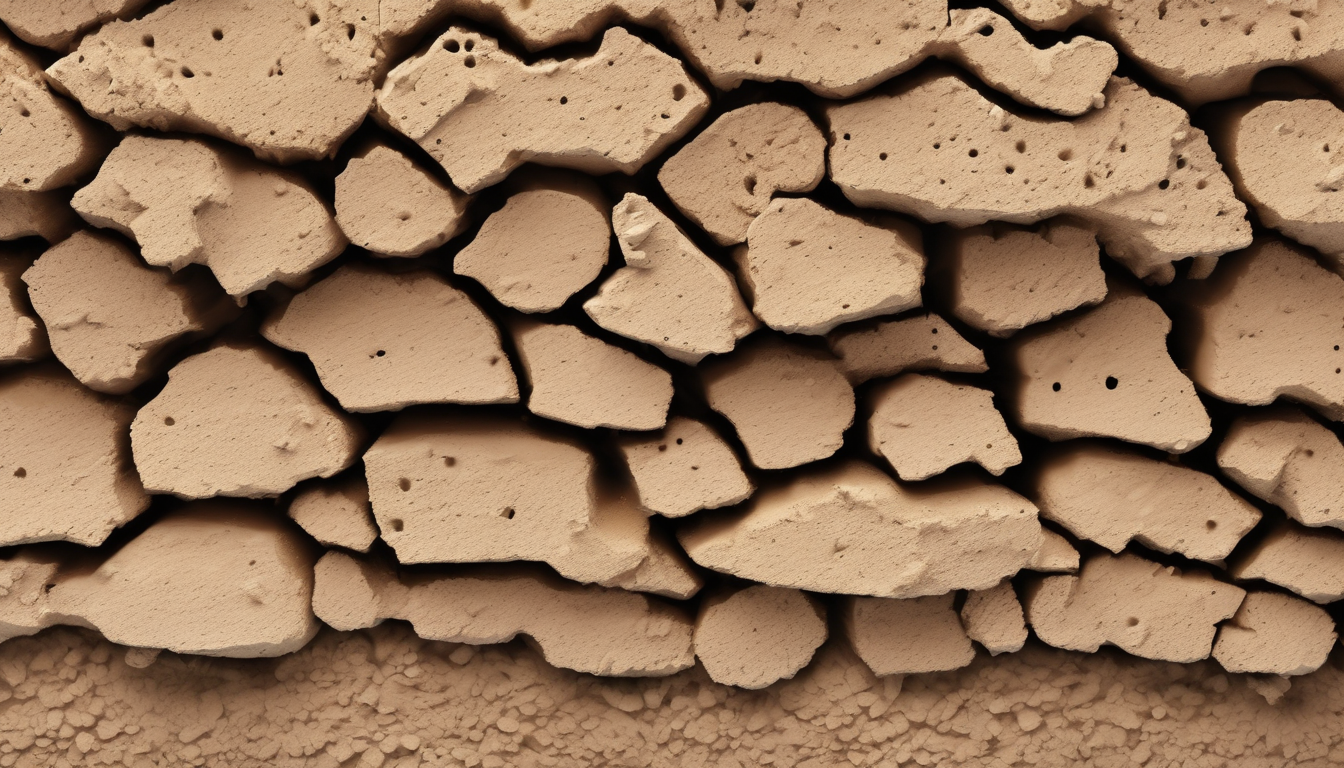
Termite mud tubes are pencil‑sized tunnels of soil, saliva and faecal material that subterranean termites build to travel between their underground colony and wood sources while retaining moisture and protection from predators and desiccation. These tubes are often the most visible evidence of an active infestation and usually indicate termites are working unseen inside structural wood or framing in Texas homes.[6]
Texas Homeowners Guide To Termite Mud Tubes And Entry Points – Why Mud Tubes Matter in Texas Homes
Finding mud tubes matters because subterranean termites do most damage out of sight, eating wood from the inside out and leaving a thin veneer on the surface until collapse or major repair is necessary.[6]
In Texas, climatic variability, seasonal rains and diverse soil types create frequent moisture pockets near foundations — precisely the conditions subterranean termites exploit to build mud tubes and access homes.[5][6]
Texas Homeowners Guide To Termite Mud Tubes And Entry Points – Common Locations for Mud Tubes and Entry Points
Knowing where to look reduces inspection time and increases early detection. Texas Homeowners Guide to Termite Mud Tubes and Entry Points emphasises these high‑risk spots:
- Foundation walls and perimeter of slab edges — tubes often run vertically or horizontally at the junction of concrete and soil.[1][6]
- Crawl spaces, piers and sill plates — mud tubes attach to support posts and joists where wood is accessible.[6][4]
- Around utility penetrations — pipes, conduits and electrical chaseways are common pathways.[2][4]
- Under porches, stoops and earth‑filled fireplaces — filled structures provide concealment and moisture.[6]
- Planters, mulch beds and landscape timbers that touch the house — these act as ‘bridges’ to the structure.[1][5]
- Expansion joints and hairline cracks in slab foundations — termites can exploit microscopic gaps and build tubes across concrete surfaces.[1][6]
Following Mud Tubes to the Colony — Practical Steps
To locate likely colony locations, follow these simple, safe steps outlined in Texas Homeowners Guide to Termite Mud Tubes and Entry Points:
1. Photograph and map each tube
Document orientation and attachment points with photos and mark them on a simple perimeter sketch so you can track new activity over time.[1][4]
2. Trace tubes downhill or along foundation lines
Follow tubes to the soil contact point; the tube’s soil composition often matches the nearby soil where galleries or the main colony are located.[1]
3. Inspect both sides of exterior walls and adjacent landscape
Tubes may run along the back of cladding or into planters; remove loose mulch to expose tubes without destroying them so professionals can assess activity.[1][2]
7 Types of Termite Damage in Texas Slab Foundations
Slab foundations present special challenges because termites can access framing through tiny gaps and service penetrations. These seven damage patterns are common in Texas slabs and linked to mud‑tube activity:
- Edge‑of‑slab tunnelling beneath exterior trim leading to skirting and subfloor damage.[6]
- Damage at slab expansion joints where concrete separation provides a pathway.[1][6]
- Entry through cracks under exterior veneer or stucco that hide tubes.[1]
- Damage around plumbing and HVAC penetrations where conduits cross the slab.[4]
- Compromised subfloor or rim joist where soil meets structural timber in earth‑filled porches.[6]
- Hidden damage under attached decks or timber porches that create continuous wood contact with soil.[5]
- Localized decay and hollowing in floor joists and headers accessed via narrow mud tubes that originate outside the structure.[5]
Inspection Routine: How to Find and Document Mud Tubes
A systematic inspection increases your chance of catching termites early. Use this routine from Texas Homeowners Guide to Termite Mud Tubes and Entry Points:
Exterior perimeter walk
Walk the foundation perimeter every 3 months during warm seasons, checking for pencil‑width tubes, blistered paint or soil near weep vents and pipes.[2][5]
Crawl space and attic checks
Inspect joists, piers and sill plates with a torch; look for fresh mud, frass or hollow‑sounding wood and record locations.[4][6]
Monitor landscape interfaces
Keep mulch, firewood and planters at least 30–60 cm from siding; watch those interfaces for tubes and remove mulch regularly to spot early activity.[1][5]
Seasonal swarm awareness
Spring swarms or discarded wings indoors signal reproduction and nearby colonies. Collect specimens carefully for identification and call an inspector if you find wings.[6]
Prevention and Sealing Common Entry Points
Sealing and habitat modification are central to Texas Homeowners Guide to Termite Mud Tubes and Entry Points. These actions reduce the chances termites can build tubes into your home:
- Maintain a 15–30 cm gap between soil/mulch and any wood siding, framing or decorative timber.[1][5]
- Fix drainage and slope soil away from the foundation; direct downspouts at least 1 m from the slab.[7]
- Seal cracks, expansion joints and utility penetrations with appropriate flexible sealants or metal flashing; inspect seals yearly.[2][6]
- Install fine stainless‑steel mesh or sand barriers around vents and openings where local codes permit.[2]
- Remove earth‑to‑wood contact in porches, planters and attached features; replace with concrete or treated ledger details.[1]
Treatment Options and When to Call a Professional
Once mud tubes indicate active termites, homeowners must choose between do‑it‑yourself fixes and professional interventions. Texas Homeowners Guide to Termite Mud Tubes and Entry Points recommends seeking licensed treatment for confirmed activity because subterranean colonies can be large and persistent.[6]
Common professional treatments
- Soil termiticide barriers (non‑repellent or repellent) applied around the foundation by trained technicians.[6]
- Termite baiting systems installed and monitored to eliminate or suppress colonies over time.[1]
- Localised wood treatments (borates) or heat treatments for limited infestations where appropriate.[6]
- Drilling and pressure injection through slabs or block walls for treated zones when needed.[6]
When to call a professional
Contact a licensed termite specialist if you find active mud tubes, visible damage, discarded wings indoors, or if multiple tubes reappear after temporary removal. Professionals provide colony‑level solutions, documentation for insurance or real‑estate transactions, and a long‑term monitoring plan.[6][2]
Expert Tips and Key Takeaways
- Inspect often and document: frequent checks and photographic records let you detect changes and measure treatment success.[1][4]
- Follow tubes — but don’t destroy evidence before an inspection: removing tubes can conceal colony activity from technicians.[1]
- Address moisture first: termite presence is driven by water and humidity; fixing leaks and drainage reduces risk more than surface sprays alone.[7]
- Mind slab details: expansion joints, utility penetrations and hairline cracks are common slab entry points — seal and monitor them.[6]
- Use professional barriers and baiting for confirmed infestations — DIY fixes rarely eliminate a mature subterranean colony.[6][1]
Conclusion
Texas Homeowners Guide to Termite Mud Tubes and Entry Points centres on early detection, following mud tubes to their soil contact, and correcting the moisture and design faults that invite termites. Regular inspections, careful landscaping, sealing of slab and foundation penetrations, and timely professional treatment form the best defence against the costly structural damage subterranean termites cause in Texas homes.[6][1][5]
