
Determining Which is the best chemical for anti-termite treatment in the UAE requires understanding the unique environmental conditions and termite species found across the Emirates. As an engineer specialising in termite management across Dubai and the wider UAE, I’ve evaluated countless termiticides under local conditions. The harsh desert climate, sandy soils, irrigation patterns, and specific construction methods all influence chemical performance dramatically. This comprehensive guide examines which is the best chemical for anti-termite treatment in the UAE based on scientific evidence, field experience, and regional regulatory considerations.
Many property owners ask which is the best chemical for anti-termite treatment in the UAE, expecting a simple answer. However, the reality involves multiple factors including soil type, building construction, moisture levels, and termite species. Throughout my career managing termite cases from Palm Jumeirah villas to Downtown Dubai towers, I’ve observed how chemicals perform differently in our unique environment. This analysis will help you understand which is the best chemical for anti-termite treatment in the UAE for your specific situation.
The Best Chemical For Anti-termite Treatment In The Uae – Understanding UAE Termite Species and Behaviour
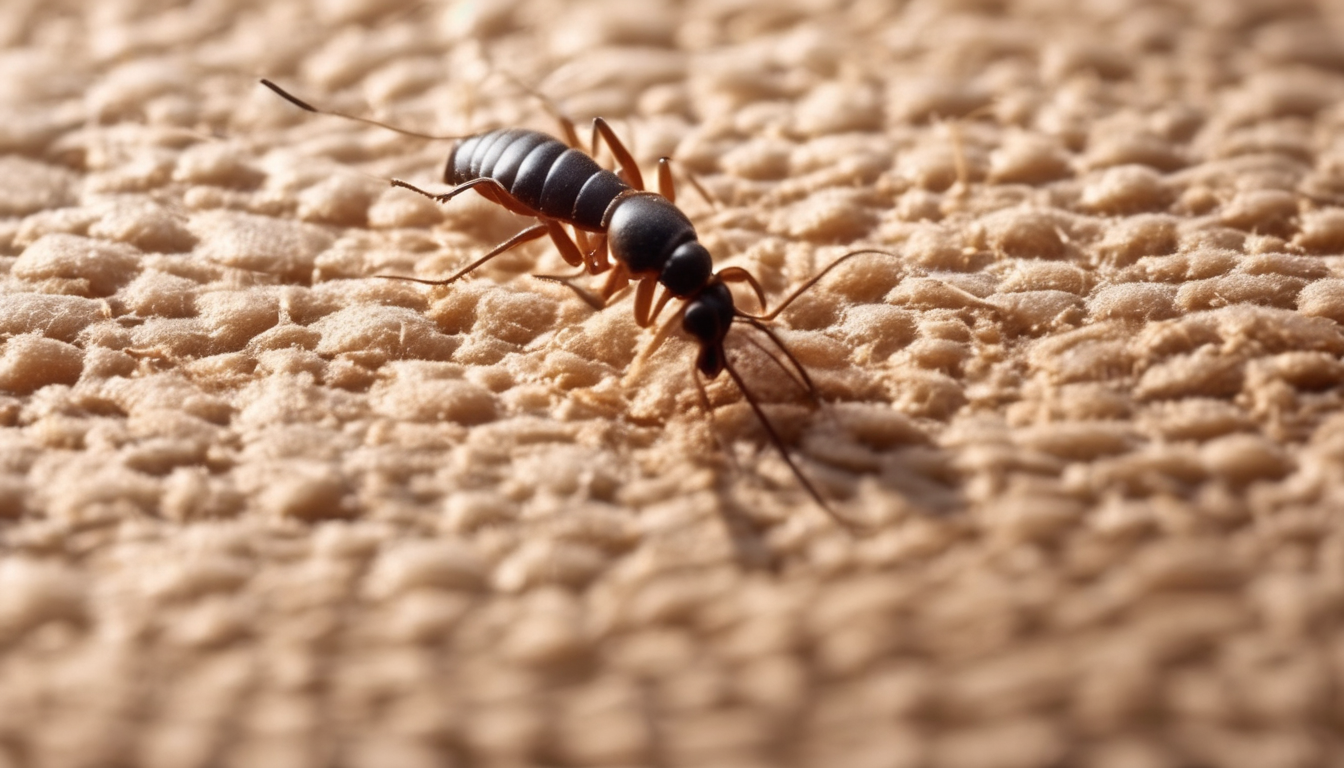
Before determining which is the best chemical for anti-termite treatment in the UAE, we must understand the termite species we’re targeting. The most common subterranean termites in Dubai and across the Emirates belong to the species Psammotermes hybostoma, adapted to our desert conditions. These termites exhibit unique behaviours influenced by the extreme heat, sandy soils, and irrigation patterns that differentiate them from species in more temperate climates.
UAE termites have evolved sophisticated moisture conservation strategies, often building deeper nests to access groundwater or following irrigation lines toward structures. Their foraging patterns change seasonally, with increased activity during cooler months and more concentrated movement toward moisture sources during summer. This behaviour directly impacts which is the best chemical for anti-termite treatment in the UAE, as termiticides must remain effective despite temperature fluctuations and varying moisture levels.
Termite Colony Structure in Desert Conditions
Desert termite colonies in the UAE typically maintain smaller worker populations than tropical species but compensate with highly efficient foraging. The sandy soil allows rapid tunnel construction, often following irrigation lines, plumbing leaks, or condensation drainage paths. Understanding this movement pattern is crucial when considering which is the best chemical for anti-termite treatment in the UAE, as treatment must intercept these travel routes.
The Best Chemical For Anti-termite Treatment In The Uae – Key Factors in Chemical Selection for UAE Conditions
Several critical factors determine which is the best chemical for anti-termite treatment in the UAE. The sandy, well-drained soils common across Dubai and the northern Emirates affect how termiticides disperse and persist. Chemicals that bind effectively to sand particles while remaining available to termites provide longer protection. The high temperatures, often exceeding 45°C in summer, can accelerate chemical degradation, making stability under heat a crucial consideration.
Water management represents another key factor when determining which is the best chemical for anti-termite treatment in the UAE. Extensive irrigation in landscaped areas creates moisture gradients that termites follow toward structures. Chemicals must remain effective in both dry and saturated soil conditions. Additionally, UAE construction methods, including post-tension slabs and complex foundation designs, create unique challenges for chemical barrier installation.
Soil Composition and Chemical Mobility
The predominantly sandy soils in Dubai and coastal areas have low organic content, affecting how termiticides adsorb to soil particles. Chemicals with too strong adsorption may not disperse adequately, while those with weak adsorption may leach quickly through the sand. This balance directly influences which is the best chemical for anti-termite treatment in the UAE, as proper soil dispersion is essential for creating continuous barriers.
The Best Chemical For Anti-termite Treatment In The Uae – Fipronil Performance in UAE Soils
Fipronil has demonstrated excellent performance as a termiticide in UAE conditions, making it a strong candidate when considering which is the best chemical for anti-termite treatment in the UAE. This phenylpyrazole compound works through both contact and ingestion, affecting the termite’s central nervous system. Its non-repellent properties allow termites to freely move through treated areas, transferring the chemical throughout the colony via grooming and trophallaxis.
In Dubai’s sandy soils, fipronil shows good horizontal mobility while maintaining vertical stability, reducing leaching concerns despite irrigation. Field observations from treatments across Emirates Hills, Jumeirah, and Arabian Ranches indicate fipronil barriers remain effective for 5-7 years when properly applied. The chemical’s thermal stability makes it suitable for UAE temperatures, maintaining efficacy even during peak summer heat when termite activity often increases around moist foundation areas.
Application Rates and Concentration
For UAE conditions, fipronil typically applies at 0.06-0.12% concentration in soil, creating effective barriers at approximately 5 litres per square metre for perimeter treatments. The exact rate depends on soil composition and moisture conditions, with higher concentrations needed in sandy, well-drained soils common in Dubai communities like The Springs and Meadows where irrigation affects chemical distribution.
Imidacloprid Advantages for Dubai Properties
Imidacloprid, a neonicotinoid insecticide, offers distinct advantages for certain UAE applications, particularly when evaluating which is the best chemical for anti-termite treatment in the UAE for properties with specific soil conditions. This systemic insecticide affects the termite’s nervous system similarly to nicotine, causing paralysis and death. Its high water solubility allows excellent mobility in Dubai’s sandy soils, creating widespread protection zones.
However, this same solubility requires careful application in heavily irrigated landscapes common across UAE residential communities. In properties with sophisticated irrigation systems, like those in Al Barari or Dubai Hills, imidacloprid may require more frequent reapplication due to potential leaching. The chemical works effectively as both a soil treatment and bait system component, providing flexibility for different property types and infestation levels.
Temperature Stability and Performance
Imidacloprid maintains good stability at UAE temperatures, though degradation accelerates above 40°C. For this reason, application timing becomes important – early morning treatments during cooler months often provide better persistence. In shaded foundation areas common in Dubai villa design, imidacloprid can provide 4-6 years of protection when applied at proper concentrations and integrated with moisture management.
Bifenthrin Barrier Protection in Sandy Soils
Bifenthrin, a pyrethroid insecticide, provides excellent repellent barrier protection, making it particularly valuable when considering which is the best chemical for anti-termite treatment in the UAE for certain construction types. Its strong soil binding characteristics make it less susceptible to leaching in irrigated landscapes, an important advantage in UAE conditions where extensive landscaping creates constant moisture movement.
The repellent action creates a deterrent barrier that prevents termites from entering treated zones, protecting structures from initial infestation. However, this same repellency means bifenthrin doesn’t provide colony elimination through transfer effects. In Dubai’s sandy soils, bifenthrin applications typically require higher concentrations (0.1-0.2%) to ensure adequate soil particle coverage and barrier continuity.
Application Considerations for UAE Villas
For UAE villa construction with concrete foundations and surrounding landscaping, bifenthrin works well as a perimeter barrier when applied at the correct rate. The chemical’s longevity in sandy soils typically ranges from 3-5 years, depending on irrigation patterns and soil composition. Properties in communities like Jumeirah Golf Estates with extensive golf course irrigation may require more frequent inspection and potential spot treatments.
Chlorantraniliprole as Modern Solution
Chlorantraniliprole represents a newer chemical class that shows promising results for UAE termite control, particularly when evaluating which is the best chemical for anti-termite treatment in the UAE for environmentally sensitive applications. This anthranilic diamide works by disrupting calcium regulation in muscle cells, causing paralysis and eventual death. Its mode of action provides slow-acting effects that allow thorough colony transfer before termites succumb.
The chemical’s low mammalian toxicity and minimal environmental impact make it suitable for sensitive applications near water features, schools, or healthcare facilities. In UAE conditions, chlorantraniliprole demonstrates good stability in sandy soils and maintains efficacy despite temperature fluctuations. Field trials in Dubai properties show effective colony elimination with protection lasting 5-8 years when properly applied.
Integration with Baiting Systems
Chlorantraniliprole works exceptionally well in baiting systems, making it valuable for monitoring and elimination programs in UAE properties. Its non-repellent nature and slow action allow optimal transfer throughout colonies, while its stability in heat ensures consistent performance during Dubai’s extended warm periods. This makes it particularly effective for properties where conventional soil barriers face challenges due to construction features or landscaping.
Soil Preparation and Application Techniques
Proper application often proves more important than which is the best chemical for anti-termite treatment in the UAE, as even excellent chemicals fail when incorrectly applied. UAE soils require specific preparation – removing debris, loosening compacted areas, and addressing drainage issues before treatment. The sandy composition means careful calibration of water volume during application to ensure proper dispersion without excessive leaching.
Application techniques vary based on construction type. For villas with perimeter foundations, trenching and rodding methods create continuous barriers. For slab-on-grade construction common in UAE developments, drilling through floor slabs at specified intervals allows proper chemical placement beneath the structure. The extreme temperatures influence application timing – early morning applications reduce evaporation and improve chemical penetration.
Moisture Management and Chemical Performance
In the UAE’s irrigated landscapes, managing moisture before and after application significantly impacts which is the best chemical for anti-termite treatment in the UAE for long-term success. Reducing irrigation near foundations for 48 hours before treatment allows better chemical adsorption to soil particles. Post-application, controlled watering helps distribute chemicals without causing excessive leaching, particularly important in sandy Dubai soils.
Cost Comparison of Termite Chemicals in UAE
Cost considerations inevitably factor into determining which is the best chemical for anti-termite treatment in the UAE for budget-conscious property owners. Chemical costs vary significantly based on concentration, application requirements, and protection duration. Generally, termiticide treatments for a standard Dubai villa range from AED 3,500 to AED 8,000 depending on property size, soil conditions, and chemical selection.
Fipronil treatments typically represent the mid-range option at AED 4,500-AED 6,000 for most villas, providing excellent value given their longevity. Imidacloprid applications generally cost AED 3,500-AED 5,000 but may require more frequent reapplication in certain conditions. Bifenthrin treatments range from AED 4,000-AED 5,500, while chlorantraniliprole, being newer technology, typically costs AED 5,000-AED 8,000 but offers extended protection and environmental benefits.
Long-Term Value Considerations
When evaluating which is the best chemical for anti-termite treatment in the UAE, consider long-term value rather than initial cost. Chemicals with longer protection periods, like chlorantraniliprole and fipronil, often provide better value despite higher upfront costs due to reduced reapplication needs. Additionally, proper application by certified professionals ensures chemicals perform as intended, preventing costly retreatments and potential damage repair.
Regulatory Compliance in UAE Market
Regulatory compliance significantly influences which is the best chemical for anti-termite treatment in the UAE, as the Emirates maintain strict pesticide regulations through the Ministry of Climate Change and Environment (MOCCAE). All termiticides must undergo rigorous testing for efficacy, environmental impact, and safety before approval for use in the UAE market. Currently, fipronil, imidacloprid, bifenthrin, and chlorantraniliprole all hold approved status when applied by licensed pest management professionals.
Dubai Municipality additionally imposes specific application standards, including concentration limits, application methods, and safety protocols. These regulations ensure treatments protect both structures and occupants while minimizing environmental impact. When selecting which is the best chemical for anti-termite treatment in the UAE, verify that both the chemical and applicator hold current UAE approvals to ensure compliance and effectiveness.
Documentation and Warranty Requirements
Proper documentation forms an essential part of regulatory compliance for termite treatments in the UAE. Treatment reports must detail chemical used, concentration, application rates, and areas treated. Many chemical manufacturers provide warranties contingent on proper application and documentation, adding another layer to determining which is the best chemical for anti-termite treatment in the UAE for your property protection needs.
Integrated Termite Management Approach
The most effective approach to termite control involves more than determining which is the best chemical for anti-termite treatment in the UAE – it requires integrated management combining chemical barriers with physical modifications and monitoring. Chemical treatments work most effectively when complemented by moisture management, physical barriers, and regular inspections. This integrated approach proves particularly valuable in UAE conditions where irrigation and construction details significantly influence termite pressure.
Successful termite management in Dubai properties typically involves correcting drainage issues, modifying irrigation patterns, installing physical barriers during construction, and implementing monitoring programs alongside chemical treatments. This comprehensive approach addresses the root causes of termite attraction rather than merely treating symptoms, providing longer-lasting protection and reducing chemical requirements over time.
Combining Chemical and Non-Chemical Methods
The most effective termite programs combine chemical barriers with non-chemical methods like stainless steel mesh, termite-resistant materials, and moisture control. This reduces reliance on any single method while providing redundant protection layers. For UAE properties, this integrated approach often represents the true answer to which is the best chemical for anti-termite treatment in the UAE – it’s the chemical that fits best within a comprehensive management strategy.
Expert Termite Treatment Tips for UAE Homes
Based on years of field experience across Dubai and the UAE, here are essential tips for successful termite treatment:
- Conduct thorough inspections before treatment to identify moisture sources and entry points
- Address irrigation and drainage issues before chemical application
- Choose chemicals based on soil conditions and construction type rather than price alone
- Ensure proper application depth and coverage for effective barriers
- Maintain detailed records of treatments for warranty and future reference
- Schedule annual inspections to monitor barrier integrity and termite activity
- Combine chemical treatments with physical modifications for comprehensive protection
- Work with licensed professionals familiar with UAE termite species and conditions
FAQ: Termite Chemical Selection in UAE
How often should termite chemicals be reapplied in UAE conditions?
Most termiticides provide 5-8 years of protection in UAE soils when properly applied, though irrigation intensity and soil conditions affect longevity. Annual inspections help determine when reapplication becomes necessary.
Are termite chemicals safe for families and pets?
When applied by licensed professionals following UAE regulations, termiticides pose minimal risk to occupants. Proper application places chemicals in soil around foundations rather than interior living spaces.
Can I apply termite chemicals myself in my Dubai villa?
DIY termite treatment is not recommended in the UAE. Proper application requires specialized equipment, technical knowledge of soil conditions, and understanding of UAE regulations. Improper application can waste chemicals and provide false security.
How quickly do termite chemicals work after application?
Chemical barriers begin working immediately upon proper application, though colony elimination may take several weeks depending on termiticide type and colony size. Non-repellent chemicals like fipronil and chlorantraniliprole provide gradual colony elimination through transfer effects.
Do termite chemicals affect plants and landscaping?
When applied correctly by professionals, termiticides should not damage plants. Application techniques direct chemicals toward foundation areas rather than planting beds, and proper rates prevent plant toxicity issues.
Determining which is the best chemical for anti-termite treatment in the UAE requires considering multiple factors including soil conditions, termite species, construction type, and environmental considerations. While fipronil, imidacloprid, bifenthrin, and chlorantraniliprole all offer effective solutions, the optimal choice depends on your specific property conditions and protection goals. The most successful termite management combines chemical barriers with integrated approaches including moisture control, physical modifications, and regular monitoring by qualified professionals familiar with UAE termite challenges.
