

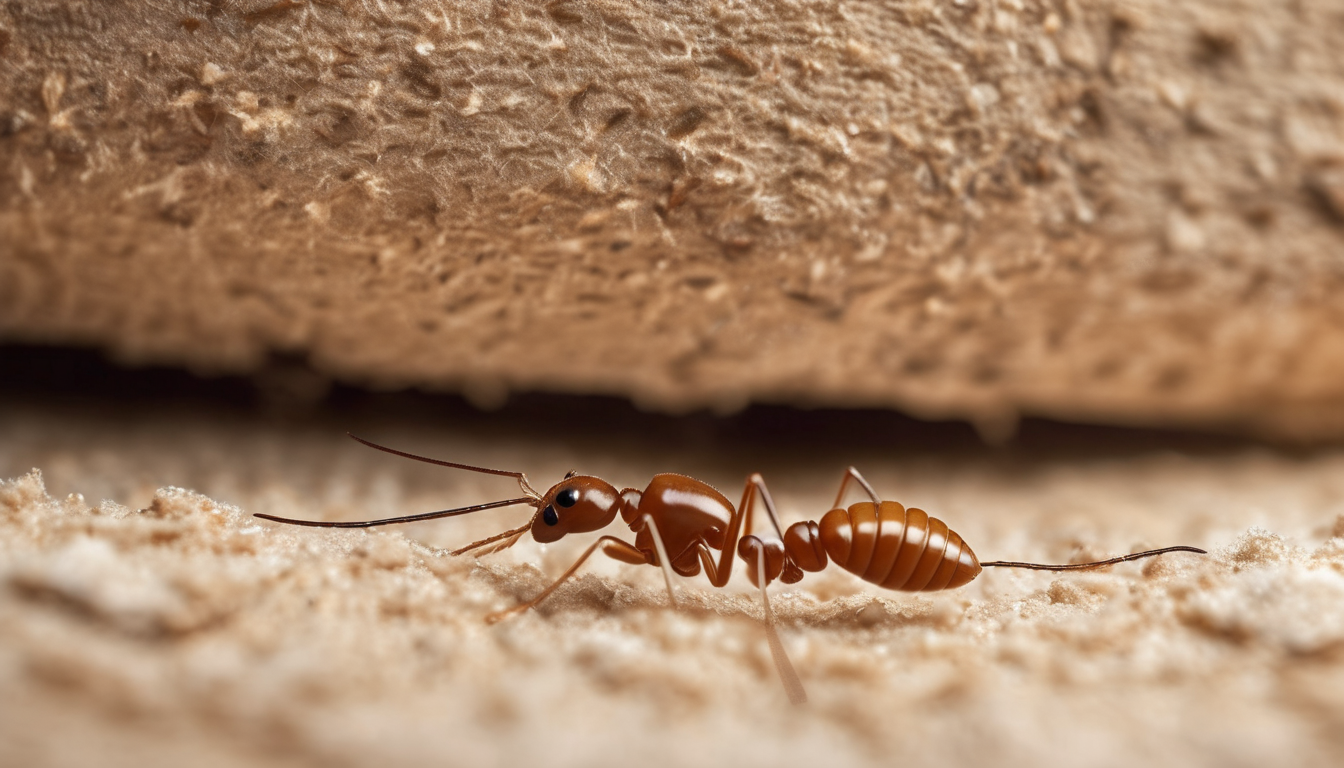

Understanding When is the best time for termite treatment is crucial for Dubai property owners facing these persistent pests. In the UAE’s unique desert climate, termite activity follows distinct seasonal patterns that significantly influence treatment effectiveness. Unlike temperate regions where termites have clear seasonal cycles, Dubai’s combination of extreme heat, artificial irrigation, and air-conditioned structures creates year-round termite challenges that require specialised timing strategies.
The question of when is the best time for termite treatment cannot be answered with a simple calendar date. Instead, it requires understanding termite biology, Dubai’s construction methods, irrigation patterns, and treatment technologies. This guide provides comprehensive insights based on thousands of termite cases across Dubai’s diverse property types, from waterfront villas to high-rise towers.
Property owners often ask when is the best time for termite treatment after discovering damage, but the optimal approach involves strategic timing that considers multiple factors beyond visible infestation. This article explores the biological, environmental, and practical considerations that determine when is the best time for termite treatment in Dubai conditions.
Understanding When is the best time for termite treatment?
When considering when is the best time for termite treatment, we must first understand that termites in Dubai operate differently than in other regions. The UAE’s subterranean termite species, primarily Psammotermes hybostoma, have adapted to extreme heat by tunneling deeper during summer months and becoming more active near surface moisture sources during cooler periods. This behavioural pattern directly influences when is the best time for termite treatment.
The conventional wisdom about when is the best time for termite treatment often suggests spring or autumn, but Dubai’s climate requires a more nuanced approach. During the intense summer heat from June to September, termites retreat deeper into the soil to avoid desiccation, making detection and treatment more challenging. However, this doesn’t mean treatment should be avoided entirely during these months—it simply requires different strategies.
From October through April, when temperatures moderate, termite foraging activity increases significantly in Dubai’s landscaped areas. This period often represents the optimal window for when is the best time for termite treatment because colonies are more active near the surface, making them more accessible to both detection and treatment methods. The increased activity during these months means treatments have better colony reach and faster impact.
When Is The Best Time For Termite Treatment – Seasonal Considerations for Termite Treatment
Dubai’s distinct seasons create different opportunities and challenges for Termite Treatment Timing. The winter months from November to February provide ideal conditions for comprehensive termite management. During this period, soil temperatures between 20-30°C create optimal termite activity levels, making it easier to locate colonies and ensure treatment materials distribute effectively through the termite network.
Spring, from March to May, represents another strategic period for when is the best time for termite treatment. As temperatures rise but before the extreme summer heat sets in, termites increase their foraging activity to support growing colonies. This period is particularly effective for baiting systems, as termites are actively seeking food sources to support colony expansion before the stressful summer months.
The summer months from June to September require specialised approaches to the question of when is the best time for termite treatment. While surface activity decreases, termites remain active in cooler microhabitats created by irrigation, foundation shadows, and air-conditioned structures. Treatment during this period often focuses on interior applications, moisture control, and preparing bait systems for increased autumn activity.
When Is The Best Time For Termite Treatment – Treatment Type and Timing Relationships
Different termite treatment methods have optimal timing considerations that affect when is the best time for termite treatment. Soil termiticide barriers, for example, perform best when applied during moderate temperature periods when soil moisture levels are consistent. In Dubai, this typically means October through April, avoiding both the saturated soil conditions that can follow rare heavy rains and the extremely dry summer conditions.
Baiting systems have different timing considerations for when is the best time for termite treatment. These systems work best when installed during periods of active foraging, typically from October through May in Dubai. The initial installation should coincide with increased termite activity to ensure rapid discovery and uptake of the bait material, with monitoring and bait replenishment continuing throughout the year.
Wood treatments and direct applications have more flexibility in timing but still benefit from strategic scheduling. When considering when is the best time for termite treatment using borate solutions or other wood treatments, drier periods with lower humidity allow for better penetration and drying of treatment materials. In Dubai, this often means the winter months when indoor humidity levels are more manageable.
Property Type Specific Timing Considerations
Different property types in Dubai require tailored approaches to when is the best time for termite treatment. Villas with extensive landscaping have different timing considerations than high-rise apartments. For villas, the optimal timing often aligns with irrigation schedules and garden maintenance cycles, typically before major planting seasons or after landscape renovations.
Waterfront properties present unique challenges for determining when is the best time for termite treatment. These properties often have higher soil moisture levels year-round, creating consistent termite activity. Treatment timing for waterfront homes should consider tidal patterns, irrigation schedules, and the construction details that might allow termite access from marine structures.
Commercial properties and towers require coordination with facility management schedules when determining when is the best time for termite treatment. Treatment during low-occupancy periods, such as holiday seasons or scheduled maintenance windows, minimizes disruption while allowing comprehensive access to service areas, parking structures, and utility spaces where termites often establish pathways.
Biological Factors Influencing Treatment Timing
Termite biology plays a crucial role in determining when is the best time for termite treatment. Colony cycles, reproductive timing, and foraging patterns all influence treatment effectiveness. In Dubai, termite colonies typically have increased reproductive activity during the spring, making this an optimal time for treatments that target the entire colony structure.
The caste structure within termite colonies also affects when is the best time for termite treatment. Worker termites, responsible for foraging and feeding the colony, have higher turnover rates during active periods. Treatments timed to coincide with increased worker activity ensure better distribution of control materials throughout the colony network, reaching queens and reproductive members more effectively.
Swarming behaviour, while less predictable in Dubai’s climate-controlled environment, still provides timing clues for when is the best time for termite treatment. Swarms typically occur after rain events or significant changes in temperature and humidity. Post-swarm periods represent critical windows for treatment, as colonies are actively expanding and vulnerable to control measures.
emergency-versus-preventive-treatment-timing”>Emergency Versus Preventive Treatment Timing
The urgency of the situation significantly influences when is the best time for termite treatment. Emergency treatments for active infestations should be conducted immediately upon discovery, regardless of season. Waiting for “optimal” conditions while termites continue damaging structural elements is never recommended, as the cost of delay far outweighs seasonal efficiency considerations.
Preventive treatments offer more flexibility in determining when is the best time for termite treatment. These interventions are ideally scheduled during periods that allow for comprehensive implementation without urgency. In Dubai, the autumn months often provide the best window for preventive measures, addressing potential issues before the increased activity periods of winter and spring.
New construction projects have unique timing considerations for when is the best time for termite treatment. Pre-construction treatments should be coordinated with building schedules, ideally before slab pouring and after site preparation. Post-construction treatments should be timed before landscaping installation and final finishing, allowing access to critical areas that become inaccessible later.
Monitoring and Follow-up Treatment Scheduling
Effective termite management involves ongoing monitoring that informs when is the best time for termite treatment follow-ups. Regular inspections, typically quarterly in Dubai’s climate, provide data on termite activity patterns that guide treatment timing. These inspections help identify seasonal activity peaks and troughs specific to each property’s micro-environment.
Bait system monitoring follows a different schedule for determining when is the best time for termite treatment refreshers. Monthly inspections of bait stations during active periods and bi-monthly checks during summer months provide the data needed to time bait replenishment effectively. The monitoring data reveals patterns that indicate optimal timing for intervention.
Soil barrier treatments may require replenishment based on environmental conditions and product longevity. The question of when is the best time for termite treatment refreshers for soil barriers depends on soil type, irrigation patterns, and product specifications. In Dubai’s sandy soils, annual inspections help determine if and when barrier replenishment is needed.
Professional Assessment for Optimal Treatment Timing
Professional inspection is essential for determining when is the best time for termite treatment for your specific situation. Certified termite specialists assess multiple factors including termite species, colony size, property construction, soil conditions, and moisture patterns. This comprehensive evaluation provides property-specific guidance on optimal treatment timing.
Advanced detection tools help professionals make informed decisions about when is the best time for termite treatment. Moisture meters, thermal imaging cameras, and acoustic detection devices provide data on termite activity levels that might not be visible to untrained eyes. This technological assessment removes guesswork from treatment timing decisions.
Documentation of previous treatments and activity patterns informs future decisions about when is the best time for termite treatment. Properties with historical termite issues benefit from maintained records that show seasonal activity patterns, treatment effectiveness, and recurrence timelines. This historical data provides valuable insights for timing future interventions.
Expert Tips for Dubai Termite Treatment Timing
Based on extensive field experience with Dubai termite cases, here are essential tips for determining when is the best time for termite treatment:
- Schedule annual inspections during October or November to assess autumn activity levels and plan winter treatments
- Coordinate treatment with irrigation system maintenance to ensure proper soil moisture for termiticide applications
- Time bait system installation before peak foraging periods (typically October-December) for maximum colony impact
- Consider property-specific factors like landscaping schedules, renovation plans, and seasonal occupancy patterns
- Document treatment dates and activity observations to build a historical pattern for your property
- Address moisture issues before chemical treatments, as water sources sustain colonies despite insecticide applications
- Coordinate with neighbours on treatment timing, especially in villa communities where termites move between properties
- Factor in product-specific requirements regarding temperature, humidity, and soil conditions for optimal performance
FAQ: Termite Treatment Timing in Dubai
Can termite treatment be done during summer in Dubai?
Yes, termite treatment can be conducted during Dubai’s summer months, but requires adapted strategies. While termites are less active at the surface, they remain active in cooler microhabitats around foundations, under slabs, and within structures. Interior treatments, moisture control, and bait system maintenance continue during summer, with more comprehensive soil treatments scheduled for cooler months.
How often should termite inspections be conducted in Dubai?
In Dubai’s climate, quarterly inspections are recommended for properties with previous termite activity or high-risk conditions. Annual inspections suffice for low-risk properties with preventive measures in place. High-value properties or those with historical infestations may benefit from monthly monitoring during active periods and bi-monthly checks during summer months.
Does rainfall affect termite treatment timing in Dubai?
Rainfall significantly influences when is the best time for termite treatment in Dubai. Heavy rain can saturate soil, affecting termiticide application and distribution. Treatments should be scheduled when soil is moist but not saturated, typically 2-3 days after rainfall. Drought conditions also affect treatment timing, as extremely dry soil may require irrigation before termiticide application.
Are there times when termite treatment should be avoided?
While termite treatment can be conducted year-round, certain conditions warrant timing adjustments. Avoid soil treatments during periods of soil saturation from heavy rainfall or irrigation system malfunctions. Also consider postponing treatment during extreme temperature peaks (above 45°C) when termites retreat deep into soil and treatment effectiveness decreases.
How long does termite treatment take in Dubai conditions?
Treatment duration varies by method and property size. Soil barrier applications for a typical villa require 1-2 days. Bait system installation takes 2-4 hours with ongoing monitoring. Comprehensive treatments including moisture correction, structural modifications, and chemical applications may require 3-5 days. Follow-up visits typically take 1-2 hours every 1-3 months depending on activity levels.
Determining when is the best time for termite treatment requires understanding Dubai’s unique environmental conditions, termite biology, and property-specific factors. While seasonal patterns provide general guidance, the optimal timing ultimately depends on professional assessment of your specific situation. Regular monitoring, documented history, and adaptive strategies ensure termite management remains effective throughout Dubai’s challenging climate cycles.
