

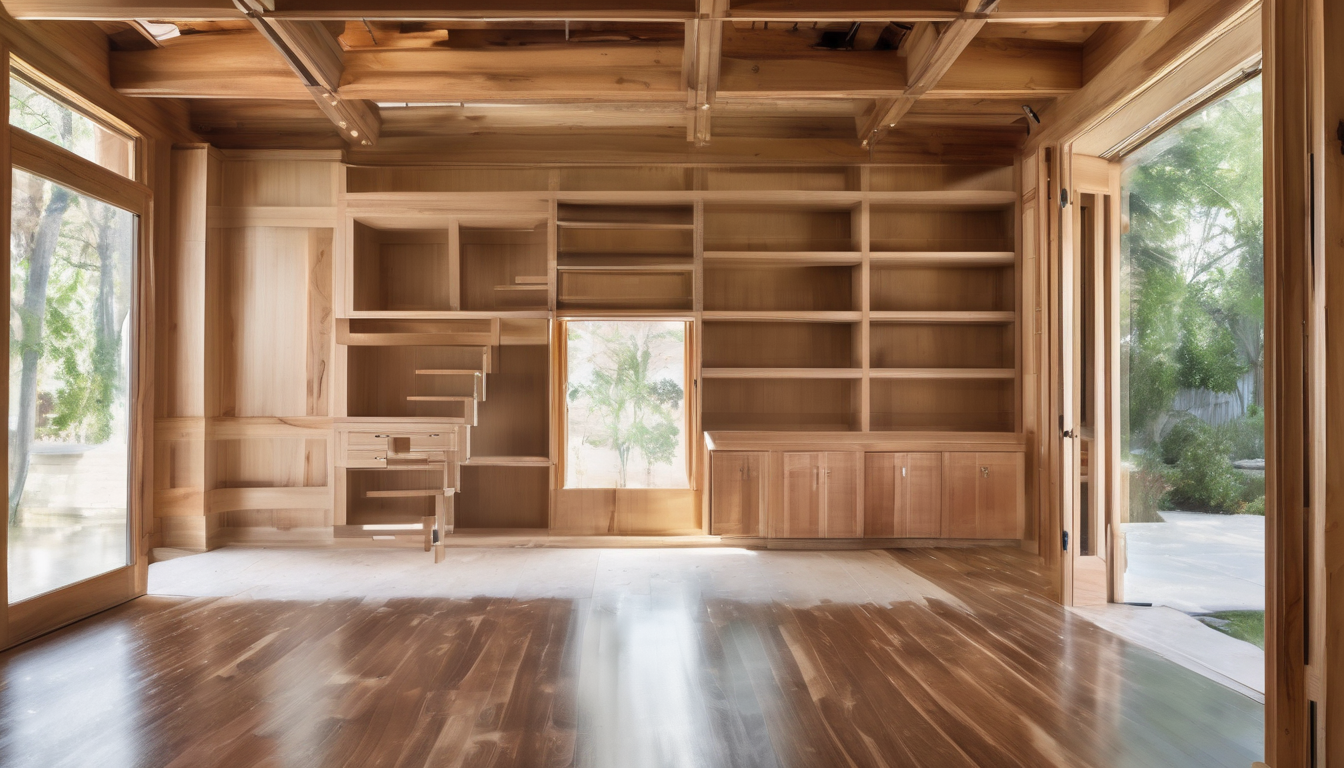

Understanding Preventing Termite Entry Through Joinery And Millwork is essential. —
⚠️ PREVENTING TERMITE ENTRY THROUGH JOINERY AND MILLWORK – A Comprehensive Guide for Protecting Wooden Furniture from Termites
—
Table of Contents
—
Understanding Preventing Termite Entry Through Joinery and Millwork
Termite entry through joinery and millwork is a significant concern for property owners in Dubai. These areas are often overlooked but can serve as direct pathways into the structure, allowing termite colonies to establish themselves within wooden furniture or decorative elements. In this guide, we will explore common risk factors, advanced moisture mapping techniques, sealing materials, and Choosing the Right Termite bait systems specifically tailored for the Dubai environment.
—
Common Risk Factors for Joinery and Millwork
Joinery and millwork are vulnerable points in any building due to their intricate nature and frequent contact with moisture. In Dubai, several environmental factors contribute to these risks:
– Moisture Sources: Leaking pipes, condensation from air conditioning units, and poorly designed drainage systems can all lead to excess moisture around joinery.
– Construction Defects: Poorly sealed gaps between panels or frames provide easy entry points for termites. Even slight cracks can serve as pathways into the woodwork.
– Design Flaws: Overly complex designs with multiple joints and connections increase the surface area exposed to potential termite attacks.
—
Advanced Moisture Mapping Techniques for Wood Protection
To effectively prevent termite entry, it is crucial to understand where moisture issues are likely to arise. Here are some advanced techniques for identifying hidden moisture sources:
– Thermal Imaging: This technology allows us to visualize temperature differences on surfaces, helping pinpoint areas with higher moisture content.
– Infrared Cameras: These devices can detect subtle changes in wood that may indicate termite activity or water damage.
– Penetrameters and Moisture Meters: Non-destructive testing tools can measure the moisture content within wooden elements, revealing potential weak spots.
—
Sealing Materials and Treatments to Prevent Termite Access
Sealing materials and treatments are essential for creating a barrier against termites. Here are some effective options:
– Borate Solutions: Borates such as borax and boric acid can be applied directly to wood surfaces or incorporated into the building’s construction materials.
– Insecticides: Non-repellent chemicals like fipronil and imidacloprid can be used in combination with physical barriers to create a comprehensive defense system.
– Physical Barriers: Using stainless steel mesh, copper foils, and other metals can physically block termite access while being aesthetically pleasing.
—
Choosing the Right Termite Bait Systems for Dubai
Termite bait systems are critical tools in preventing entry through joinery and millwork. In Dubai’s sandy soils, certain species of termites thrive, making it essential to choose a system that is effective against local pests:
– Sentricon System: This popular termite monitoring and elimination (TME) system uses SentriconTM stakes containing boric acid.
– Bait2000: Another highly regarded option, this system employs small plastic stations placed around the property to monitor for termite activity.
—
Practical Tips for Keeping Your Wooden Furniture Safe
Implementing these practical tips can significantly reduce the risk of termite infestations:
Read more: Advanced Moisture Mapping Techniques For Wood Protection
1. Regular Inspections: Conduct thorough inspections every six months to identify any signs of moisture or termite damage.
2. Proper Ventilation: Ensure good airflow around joinery and millwork to prevent moisture buildup.
3. Seal Gaps: Use caulk, sealants, and other materials to close gaps that can serve as entry points for termites.
4. Timely Repairs: Address any leaks or water damage promptly to minimize the risk of termite attraction.
—
Frequently Asked Questions (FAQs)
1. Q: Can termite entry through joinery be prevented entirely?
– A: While complete prevention is difficult, implementing a combination of moisture management and chemical treatments can significantly reduce the likelihood of infestation.
2. Q: Are there any specific materials that are resistant to termites?
– A: Certain woods like teak, cedar, and redwood have natural termite resistance due to their oils. However, even these should be treated or sealed as part of a comprehensive prevention strategy.
3. Q: How often should I replace my termite protection systems?
– A: Typically, termite monitoring and baiting systems need periodic inspection and replacement every 2-3 years to ensure they remain effective.
—
Conclusion: Preventing Termite Entry Through Joinery and Millwork
Preventing termite entry through joinery and millwork requires a multi-faceted approach that includes advanced moisture mapping techniques, appropriate sealing materials, and the right termite control systems. By understanding common risk factors and implementing proven strategies, property owners can protect their investments from silent yet destructive pests.
