


Introduction
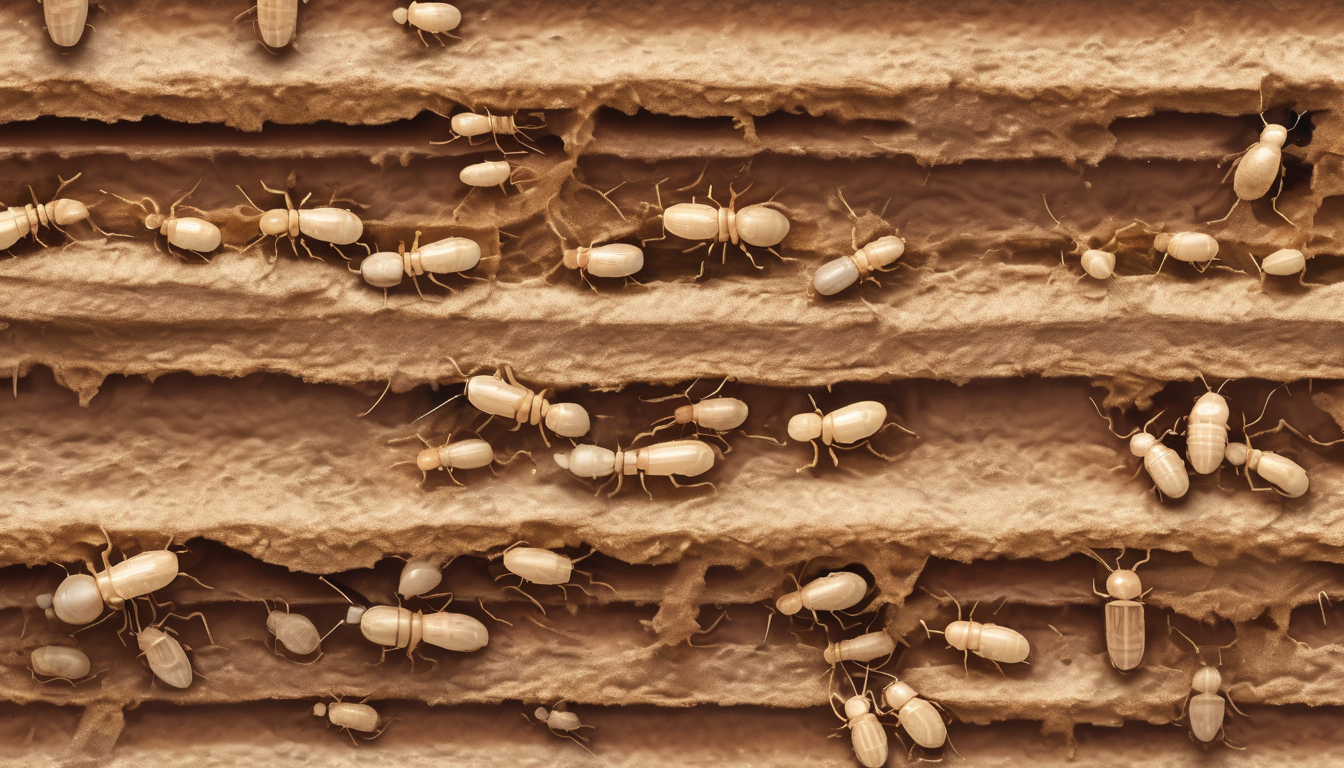
Termite infestations are a significant concern for property owners in Dubai, especially when it comes to subterranean termites. These insects can exploit seemingly minor weaknesses in the foundation details of buildings, leading to substantial damage over time. This guide delves into the various entry points that termites use and provides actionable advice on how to prevent them.
Understanding Termite Entry Points Through Foundation Details :
In Dubai, termite entry points through foundation details are critical vulnerabilities that can lead to costly structural damage. Subterranean termites often find their way into buildings by exploiting small gaps and weaknesses in the foundation. This section explores how these entry points work and why they are so problematic.
Common Weaknesses in Foundations
Foundations of buildings in Dubai can have several weak points that termites exploit:
- Cracks in Concrete Slabs: Hairline cracks can serve as entry points for termites. Even tiny gaps allow termites to access the interior, leading to hidden damage.
- Expansion Joints: These are designed to accommodate thermal expansion and contraction but can become pathways for termites to move between different sections of a building.
- Service Penetrations: Pipes, electrical conduits, and other service lines often enter the foundation, creating potential entry points. Termites can follow these lines into the structure.
- Gaps in Joists and Beams: Wooden joists and beams in basements or crawl spaces are vulnerable to termite infestation if not properly sealed.
Termite Entry Points Through Foundation Details: A – Termite Access via Expansion Joints
Expansion joints, while essential for structural integrity, can also serve as entry points for termites. These joints are typically filled with a flexible material to accommodate movement but can be breached by termites if not adequately sealed.
Sealing Expansion Joints Effectively
Effective sealing is crucial. Termites can enter through gaps as small as 0.5mm, so meticulous attention to detail is necessary. Here are some best practices:
- Inspect Regularly: Regular inspections for signs of termite activity in expansion joints.
- Seal Gaps Thoroughly: Use sealants that are specifically designed for termite prevention, such as silicone or polyurethane.
Termite Entry Points Through Foundation Details: A – Service Penetrations and Termite Entry
Service penetrations in the foundation provide another entry point for termites. These include conduits for plumbing, electrical wiring, and HVAC systems. Proper sealing of these areas is essential to prevent termite access.
Sealing Service Penetrations
To effectively seal service penetrations:
- Use Termite-Resistant Materials: Choose materials that are less attractive to termites, such as plastic conduit.
- Install Metal Shields: Place metal shields around electrical and plumbing conduits to deter termite infestations.
Moisture Management for Prevention
Moisture management is a key strategy in preventing termite entry points through foundation details. Excessive moisture can attract termites and create ideal conditions for their survival.
Key Moisture Control Practices
- Proper Drainage: Ensure that drainage systems are functioning correctly to prevent water from pooling around the foundation.
- Landscaping: Avoid planting vegetation directly against the foundation, as roots can draw moisture into the soil and attract termites.
Termite Baiting Systems and Application
Baiting systems are an effective method for termite control. They work by placing bait stations around the perimeter of a building, which attract termites and allow for targeted treatment.
Setting Up Termite Bait Stations
- Placement: Place bait stations at regular intervals around the foundation to ensure comprehensive coverage.
- Monitoring: Regularly check the bait stations for termite activity and make necessary adjustments.
Integrating Termite Control into Design
Preventing termite entry points requires a proactive approach that starts during the design phase. Architects and builders can incorporate specific measures to mitigate these risks.
Design Considerations for Termite Protection
- Foundation Design: Use reinforced concrete with minimal cracks or joints where termites could enter.
- Incorporate Moisture Barriers: Install barriers to prevent moisture from penetrating the foundation.
Expert Tips for Prevention
Here are some expert tips to help homeowners and architects effectively prevent termite entry points through foundation details:
- Regular Inspections: Schedule regular inspections by a professional pest control company.
- Seal Gaps Thoroughly: Seal all gaps and cracks in the foundation to prevent termites from accessing the interior.
- Proper Drainage Systems: Ensure that drainage systems are functioning correctly to prevent water pooling around the foundation.
- Use Termite-Resistant Materials: Choose materials for service penetrations and landscaping that are less attractive to termites.
FAQ Section
Q: How can I tell if my foundation has termite entry points?
A: Look for signs of termite activity, such as mud tubes, wood damage, and weak spots in the foundation. Regular inspections by a professional are essential.
Q: What should I do if I suspect termite infestation?
A: Contact a licensed pest control company immediately to assess and treat any potential infestations. Early detection is crucial for effective treatment.
Q: How can I prevent moisture from attracting termites in my foundation?
A: Ensure proper drainage, avoid planting vegetation directly against the foundation, and seal gaps thoroughly to maintain dry conditions around the structure.
Conclusion
Termite entry points through foundation details are a serious concern for property owners in Dubai. By understanding these vulnerabilities and implementing proactive prevention strategies, homeowners and architects can significantly reduce the risk of termite infestations. Regular inspections, proper sealing techniques, moisture management, and integrated pest control measures are all crucial components of effective termite protection.
