

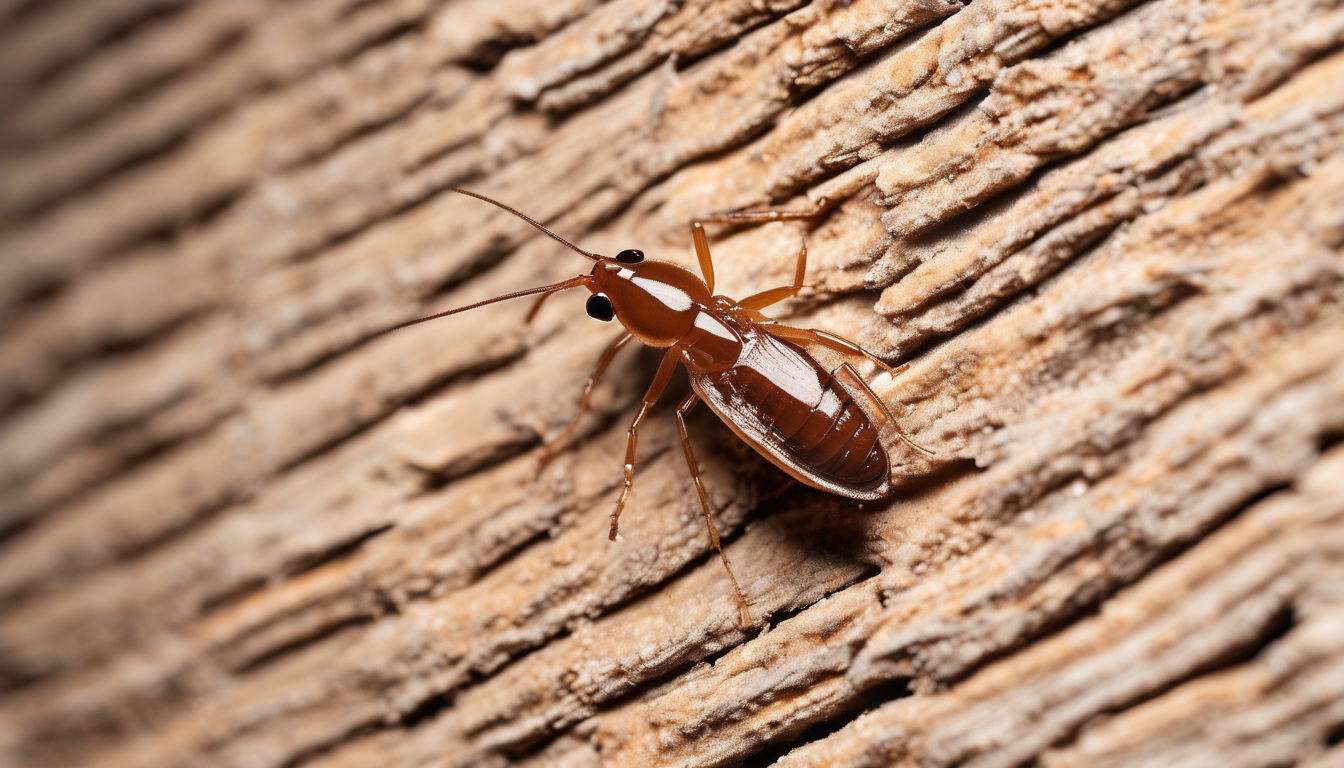

Termite infestation poses a hidden but highly destructive threat to buildings and infrastructure, especially when structural weaknesses provide access and sustenance to subterranean termite colonies. Identifying Structural Vulnerabilities that facilitate termite infestation is the essential first step in protecting properties from these silent destroyers. This term refers to the specific design flaws, material choices, moisture conditions, and environmental factors that allow termites to breach building envelopes, access cellulose materials, and establish damaging colonies.
Understanding these vulnerabilities in detail is critical for homeowners, builders, property managers, and pest control professionals alike, as it enables early detection, targeted mitigation, and comprehensive prevention of termite-related damage. This article closely examines the most common and impactful structural vulnerabilities that contribute to termite infestation, why they matter, and how they relate to long-term property safety and value.
Definition and Importance of Identifying Structural Vulnerabilities that Facilitate Termite Infestation
Identifying structural vulnerabilities that facilitate termite infestation means recognizing the specific architectural and construction factors that enable subterranean termites to invade and damage buildings. These vulnerabilities commonly involve physical access points, moisture retention areas, and materials that attract or allow termite survival.
Subterranean termites, which live primarily underground but consume wood and other cellulose-based materials, exploit weaknesses such as small foundation cracks, wood in contact with soil, and high moisture conditions to infiltrate structures. Recognizing these vulnerabilities is crucial because termite damage is often invisible until advanced stages, significantly threatening structural integrity and property value.
Building owners and pest control experts must understand these entry vectors and conducive conditions to design effective inspection protocols, apply targeted treatments, and recommend structural or landscaping modifications that prevent infestations before they establish.
Foundation and Basement Issues as Structural Vulnerabilities
One of the most critical areas for termite entry is the building’s foundation and basement. Identifying structural vulnerabilities that facilitate termite infestation often begins here because these foundational elements are in direct contact with soil, where termites nest.
Common Foundation Vulnerabilities
- Cracks and gaps in poured concrete foundations: Even tiny cracks as small as 0.03 inches provide termites access to the structure. Without proper reinforcements like rebar, concrete can shrink or settle, creating exploitable fissures[1][2].
- Block or brick foundations without proper capping: These materials can have inherent gaps for termites to crawl between, especially if capstones or poured concrete caps are missing or inadequate[2].
- Improper attachment of wood framing to concrete slabs: Nailing lumber directly to slabs creates small gaps and cracks which termites use to enter[1].
- Unsealed utility penetrations and expansion joints: These structural features often have voids or channels that terrorists can tunnel through if not properly sealed with grout, caulk, or metal mesh[7].
Basement Vulnerabilities
Termites often enter via basements through soil contact, poorly vented crawlspaces, or wood elements in contact with the basement floor or walls. Basements with crawlspace foundations or inadequate ventilation promote moisture buildup, further attracting termite colonization[2]. Concrete basements without cracks are highly resistant, but cracks or wooden elements touching soil remain serious vulnerabilities[1][2].
Moisture and Irrigation-Related Vulnerabilities
Moisture presence is a fundamental facilitator of termite infestation because subterranean termites require damp conditions for colony survival. One of the key aspects of identifying structural vulnerabilities that facilitate termite infestation is mapping and controlling moisture sources near or within a building.
Sources of Moisture Vulnerability
- Irrigation systems delivering constant water near foundations: Overirrigated landscapes, especially with poorly placed sprinkler lines or leaky drip irrigation, create moist soil favorable to termites[3][8].
- Leaking plumbing, drains, and HVAC condensate: These leaks raise moisture levels in walls, floors, and subfloor areas, often undetected until termite activity intensifies[4][7].
- Poor drainage and ponding around foundations: Inadequate grading or blocked gutters cause standing water, saturating soils and promoting termite tunneling[3][7].
- Mulch and organic debris near structures: These retain moisture and provide both food and harbor for termites, extending risk zones right to building walls[1][6].
Why Moisture Control Matters
Reducing or eliminating moisture near foundations disrupts termite colony access and longevity. Moisture mapping combined with timely maintenance prevents termites from exploiting water-rich environments to invade structures.
Wood-to-Soil Contact and Material Concerns
Direct contact between wood and soil is one of the most dangerous vulnerabilities that facilitate termite infestation. Termites use soil as their natural habitat and access route, so when wood is touching soil, it becomes an open invitation.
Problematic Wood Elements
- Porch framing, decks, steps, or fences resting directly on soil[4][6].
- Wooden mulch or untreated wood piles stored near the foundation[1][6].
- Timber structural components without termite-resistant treatment or protective barriers[4][6].
Material Choices That Reduce Risk
- Use of pressure-treated or borate-treated wood below the termite line or in contact with soil prevents infestation[1][4].
- Replacing wood with concrete, steel, or masonry at ground contact points significantly lowers vulnerability[6].
- Mechanical termite barriers such as stainless steel mesh or physical shields can block subterranean termite pathways[1][7].
Structural Joints, Cracks, and Penetrations
Termites exploit every small crack, joint, or penetration through which they can gain entry. Identifying structural vulnerabilities that facilitate termite infestation requires close examination of these points, which are often overlooked during construction or maintenance.
Typical Entry Points
- Expansion joints between slabs or walls are often micro-pathways for termites[1][2].
- Gaps around pipes, electrical conduits, sewer lines, and ventilation ducts passing through foundation walls and floors[7].
- Cracks in plaster, masonry, or concrete caused by settling or thermal movement[2][5].
- Interfaces between building materials such as wood and concrete where inappropriate sealing exists[1][7].
Mitigation Measures
Sealing cracks and penetrations with cementitious grout, specialized caulks, or termite-resistant mortar, combined with physical barriers, limits these vulnerabilities. Regular inspection and maintenance of these points prevent hidden infestation pathways.
Ventilation and Crawlspace Weaknesses
Improper ventilation of crawlspaces and enclosed basements contributes to high humidity and moisture retention, creating ideal conditions for termite survival. Such environmental factors constitute structural vulnerabilities that facilitate termite infestation.
Ventilation Challenges
- Small or infrequently spaced ventilation openings cause dead air zones and moisture pockets[2].
- Blocked vents from debris, vegetation, or construction changes worsen humidity build-up[2][6].
- Use of wood close to or supporting subfloor areas with inadequate airflow increases termite risk[2].
Recommendations
Ensuring crawlspace vents meet size and distribution requirements and remain unobstructed improves drying of soils and reduces termite habitat suitability[2]. Installing vapor barriers and moisture drains further limit vulnerabilities in crawlspaces.
Landscaping and Exterior Features Contributing to Termites
The external environment adjacent to a building significantly influences the risk of termite infestation. Landscaping and design features can unintentionally create passageways facilitating termite entry.
Common Landscaping Vulnerabilities
- Vegetation planted too close to building foundations, creating shading and moisture retention[1][3].
- Wooden garden features, trellises, or pergolas touching the building structure[1][4].
- Planters built into or against façade walls with soil in contact with wood or masonry[1].
- Mulch layers not properly managed or replaced with non-cellulose alternatives[1][6].
How Termites Use Landscaping
Termites follow moisture gradients and cellulose food sources from soil under landscaping features into concealed building areas. Identifying these problem spots and modifying irrigation or vegetation layout can disrupt termite pathways.
Early Detection Through Effective Inspection
Identifying structural vulnerabilities that facilitate termite infestation is incomplete without systematic inspection techniques. Early detection enhances the chances of eliminating colonies before significant damage occurs.
Inspection Techniques
- Visual surveys for signs such as mud tubes along foundations, blistered wood, or frass deposits[4][5].
- Use of moisture meters to detect elevated dampness inside wood or wall assemblies[3][7].
- Probing suspected areas with tools to detect soft or hollow wood indicating damage[5].
- Sampling soil around foundations for termite presence and monitoring stations[8].
Inspection Frequency and Reporting
For high-risk properties, annual or biannual termite inspections are advised. Detailed reporting should identify vulnerabilities found, current damage, and recommendations for repair or treatment[3][5].
Strategies for Preventing Termite Pathways
Prevention focuses on eliminating or modifying structural vulnerabilities and environmental conditions that facilitate termite infestation.
Key Preventive Strategies
- Design foundations and slabs with reinforced, crack-resistant poured concrete capped over masonry and block walls[1][2].
- Eliminate wood-to-soil contact and use treated wood or alternative materials at ground level[4][6].
- Control moisture by optimizing irrigation schedules, fixing leaks promptly, and ensuring good drainage and ventilation[3][7].
- Seal cracks, penetrations, and joints with termite-resistant materials and install physical barriers where feasible[1][7].
- Maintain landscaping to avoid wood or vegetation touching the building and reduce mulch depth[1][6].
- Implement monitoring stations for early termite detection around vulnerable zones[8].
Expert Tips and Key Takeaways for Property Owners
- Moisture control is as important as material choice: Keep foundations dry and well-drained to disrupt termite colonies.
- Invest in high-quality construction details: Reinforced concrete and properly sealed penetrations reduce infestation pathways drastically.
- Regular inspection prevents surprise damage: Annual termite inspections uncover hidden vulnerabilities early.
- Modify landscapes thoughtfully: Avoid planting or placing wood too close to structures.
- Use termite-resistant materials at vulnerable points: These materials lower long-term maintenance costs and minimize risk.
- Engage pest management professionals: Expert evaluation combined with integrated pest management improves outcomes.
Identifying structural vulnerabilities that facilitate termite infestation is a foundational element of integrated pest management. Recognizing where and how termites enter and thrive allows for targeted preventive measures that protect property investments, ensure safety, and reduce costly repairs from hidden termite damage.
