

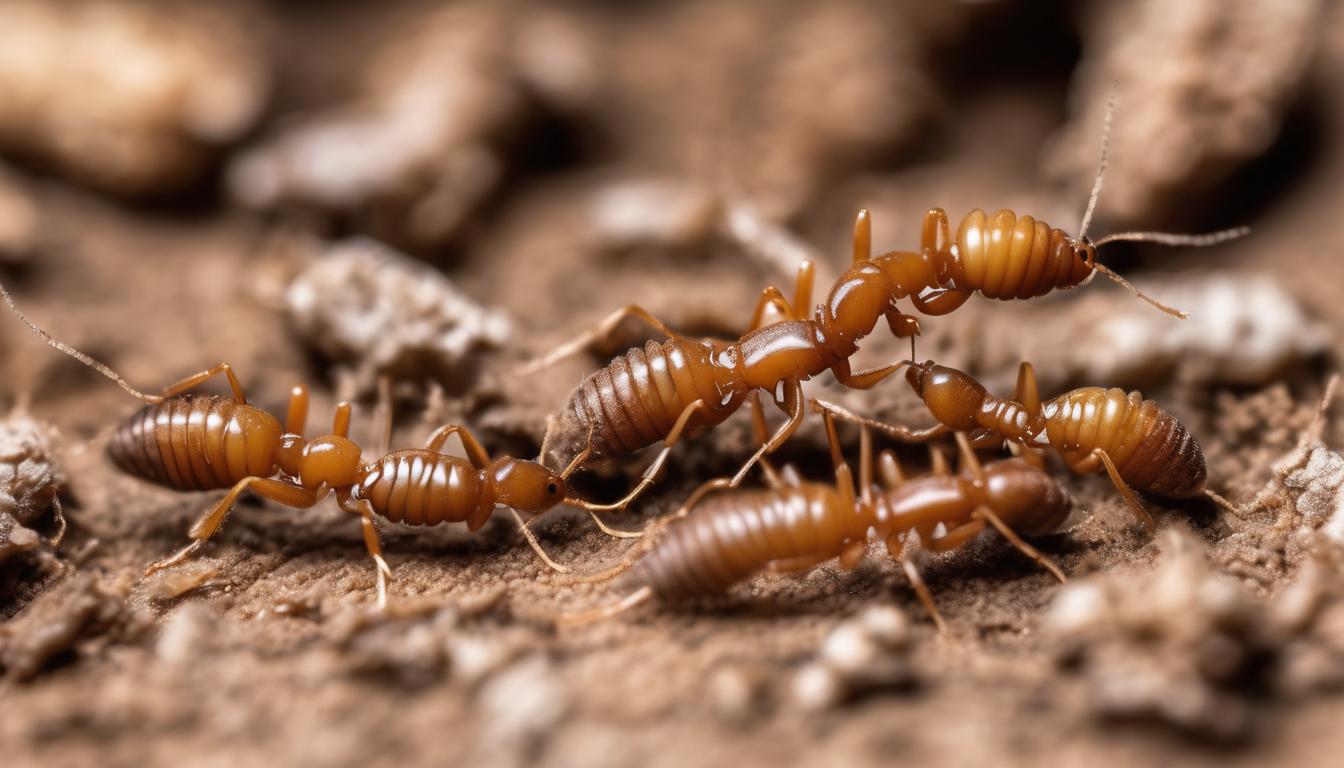

Identify Active Subterranean Termites In Your Home: Why This Guide Is Important
Understanding Identify Active Subterranean Termites In Your Home is essential. Subterranean termites are one of the most destructive pests affecting homes in Dubai, causing extensive structural damage. Identifying active subterranean termite infestations early is essential to prevent significant property loss and costly repairs. This guide provides a step-by-step approach to recognize signs of termite activity within your home.
Identify Active Subterranean Termites In Your Home: Signs of Termite Infestation
Recognizing the signs of termite infestation is crucial. Look for these telltale indications:
- Swarming termites: These are winged adults that emerge from their nests during specific times, usually in spring or summer.
- Fecal pellets: Tiny, dark droppings that resemble coffee grounds, often found near damaged wood.
- Mud tubes: Narrow tunnels constructed by termites to protect them as they travel between the soil and their food source. These are usually made of soil and debris.
In Dubai’s warm climate, termite activity is year-round, but swarming periods typically occur from March to June. Regularly checking areas like windowsills, around pipes, and in crawl spaces can help identify these signs early. This relates directly to Identify Active Subterranean Termites In Your Home.
Identify Active Subterranean Termites In Your Home: Mud Tubes and Nests
Mud tubes are a key indicator of subterranean termite activity:
- Location: These tunnels are often found along the base of your home, around utility lines, or in areas with high moisture content.
- Structure: Mud tubes are about the size of a pencil and can be covered by paint or dirt. They provide termites with a safe passage between their nest and the food source (usually wood).
- Nests: Unlike drywood termite nests, subterranean termite colonies are typically located underground. These nests may contain thousands of worker termites and can be vast in size.
In Dubai’s desert environment, the presence of these tubes indicates a significant termite infestation that needs immediate attention.
Damage to Wooden Structures
Inspect wooden structures for signs of termite damage:
- Hollow-sounding wood: Tap on suspected areas and listen for a hollow sound, which may indicate termite activity.
- Weakness in structure: Check load-bearing components like floor joists and beams. Termite damage can compromise the structural integrity of your home.
- Bloated or swollen wood: This occurs when termites have consumed soft tissue, leaving behind a hardened shell that swells as it dries out.
In Dubai’s high humidity and warm temperatures, moisture management is critical. Ensuring proper ventilation and addressing any water leaks can prevent termite infestations before they start. When considering Identify Active Subterranean Termites In Your Home, this becomes clear.
Environmental Factors Affecting Termite Growth
Understanding the environmental factors that affect termite growth helps in identifying active colonies:
- Moisture: Termites thrive in moist environments. Overwatered landscapes, leaky plumbing, or poor drainage can create ideal conditions.
- Irrigation patterns: Regularly check irrigation systems for leaks and overwatering. Termite swarms are often attracted to moist soil around plants and trees.
- Foundation details: Inspect the foundation of your home, especially areas with expansion joints or service penetrations. These weak points can allow termites to enter undetected.
In Dubai’s desert climate, understanding these factors is crucial for preventing termite infestations. Regular maintenance and inspections can help in identifying potential entry points and addressing moisture issues before they become a problem. The importance of Identify Active Subterranean Termites In Your Home is evident here.
Professional Inspection Process
Engaging a professional pest control expert ensures an accurate diagnosis:
- Initial assessment: A trained technician will conduct a thorough visual inspection, looking for mud tubes and signs of termite activity.
- Moisture mapping: Using moisture meters to identify areas with high moisture content can help pinpoint potential entry points and feeding sources.
- Nest location: Advanced techniques like thermal imaging may be used to locate nests hidden beneath walls or floors.
- Treatment plan: Based on the findings, a customized treatment plan will be developed. This may include chemical treatments, physical barriers, and monitoring systems.
In Dubai’s diverse property types, professional inspections are essential for identifying infestations in hidden areas that homeowners might overlook. Regular checks can prevent small issues from becoming major problems down the line. Understanding Identify Active Subterranean Termites In Your Home helps with this aspect.
Taking Action After Identification
Once a termite infestation is identified, taking immediate action is crucial:
- Chemical treatments: Termite baits or liquid termiticides can be applied to eliminate colonies. In Dubai’s warm climate, these treatments are highly effective.
- Natural barriers: Physical barriers like stainless steel mesh can prevent termite entry, especially in new construction. These materials are effective and long-lasting.
- Maintenance: Regular inspections and maintenance of irrigation systems, plumbing, and foundations can help prevent future infestations.
In Dubai’s high-risk areas, proactive measures like these can significantly reduce the risk of termite damage. Ensuring a healthy balance between chemical treatments and natural barriers is key to long-term protection. Identify Active Subterranean Termites In Your Home factors into this consideration.
Expert Tips and Recommendations
- Inspect regularly: Conduct monthly inspections, especially during swarming periods in spring or summer. Early detection can prevent significant damage.
- Maintain drainage systems: Ensure proper drainage around your home to prevent excess moisture that attracts termites.
- Avoid overwatering: Adjust irrigation schedules to avoid wetting soil and creating favorable conditions for termite colonies. In Dubai, this is particularly important during the summer months.
- Seal gaps and cracks: Check for any gaps or cracks in your home’s foundation and seal them with weatherproofing materials. This can prevent termites from entering undetected.
- Use termite-resistant building materials: When renovating or constructing, use termite-resistant materials like borate-treated wood to reduce the risk of infestation.
In Dubai’s challenging climate, following these expert tips can significantly enhance your home’s protection against subterranean termites. By staying proactive and informed, you can minimize the risk of costly repairs and structural damage.
Frequently Asked Questions
- How do I know if there are active subterranean termites in my home?
- Look for signs like swarming termites, fecal pellets, mud tubes, and hollow-sounding wood. Regular inspections can help catch infestations early.
- What should I do if I suspect termite activity?
- Contact a professional pest control expert for an inspection. Early identification and treatment are crucial to prevent significant damage.
- Are there natural ways to repel termites in Dubai?
- Natural repellents like neem oil or diatomaceous earth can be used, but they may not provide long-term protection. In Dubai’s high-risk areas, professional treatments are recommended.
These FAQs address common concerns and provide practical guidance for homeowners in Dubai dealing with termite infestations.
For more information, visit this resource.
Conclusion
Identifying active subterranean termites in your home is crucial to prevent extensive damage. By understanding the signs, conducting regular inspections, and taking proactive measures, you can safeguard your property from termite infestations. Engaging a professional for thorough inspections ensures that any potential issues are addressed promptly. Understanding Identify Active Subterranean Termites In Your Home is key to success in this area.
