

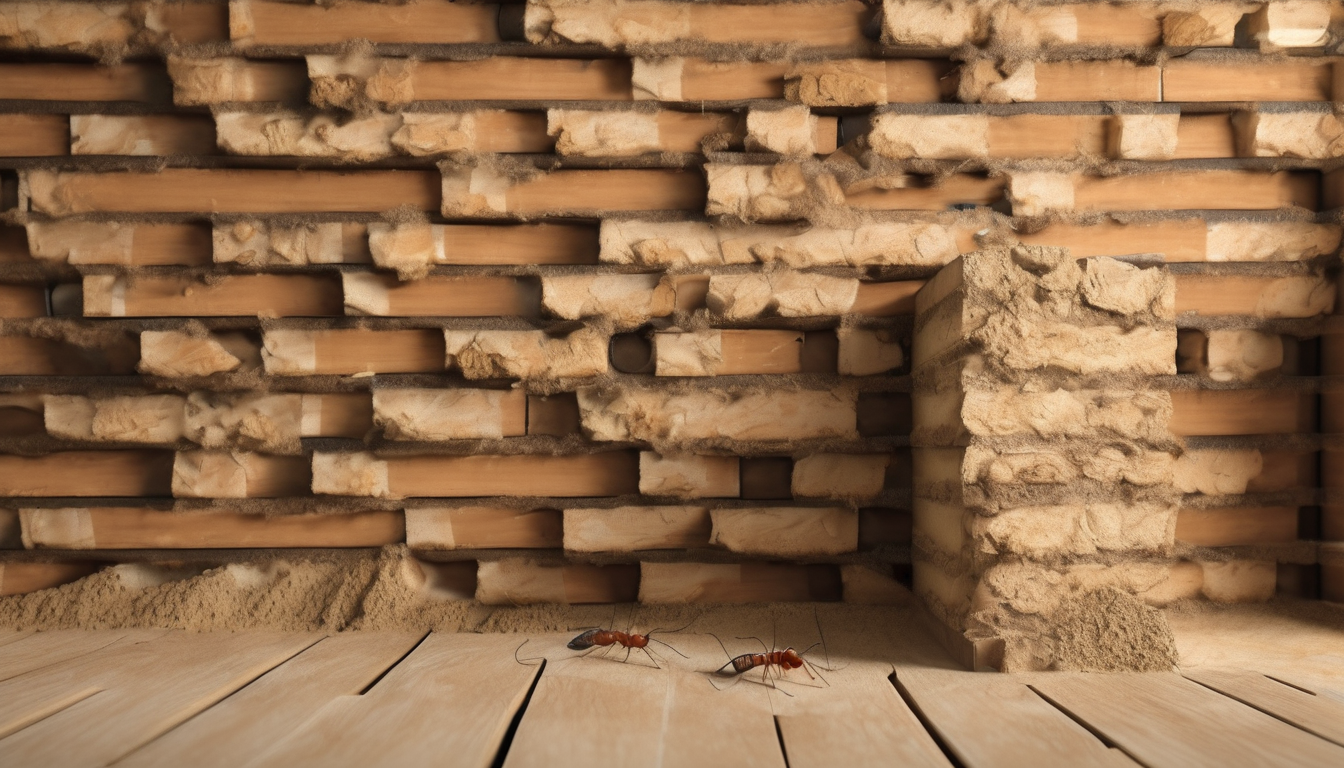

Termite prevention strategies for UAE construction represent a critical investment in building longevity and structural integrity. In the unique desert environment of Dubai, Abu Dhabi, and surrounding emirates, subterranean termites present a constant threat to both residential and commercial structures. The combination of imported construction materials, extensive landscaping irrigation, and sandy soil conditions creates ideal habitats for termite colonies to establish themselves near foundations. Implementing proper Termite Prevention Strategies for UAE construction requires understanding local species behaviour, soil characteristics, and construction methodologies specific to the region.
The economic impact of termite damage in UAE properties can be substantial, with repair costs often exceeding AED 50,000 for severe infestations. More importantly, structural compromises can affect property value and safety. This makes proactive termite prevention strategies for UAE construction not just a maintenance consideration but a fundamental aspect of responsible building design and construction. From pre-construction soil treatments to integrated design features, a multi-layered approach provides the most reliable protection against these persistent pests.
This comprehensive guide examines the most effective termite prevention strategies for UAE construction projects. We will explore chemical barrier systems, physical barriers, construction detailing, and ongoing monitoring approaches that have proven successful in the Gulf climate. Whether you’re a property developer, architect, contractor, or homeowner planning new construction, understanding these termite prevention strategies for UAE construction will help you make informed decisions that protect your investment for decades to come.
Termite Prevention Strategies For Uae Construction – Chemical Barrier Systems for Termite Prevention
Chemical barrier systems form the foundation of most termite prevention strategies for UAE construction projects. These treatments involve applying termiticides to soil around and beneath building foundations to create a continuous chemical barrier that either repels termites or kills them upon contact. In UAE conditions, where sandy soils allow rapid termite movement and irrigation provides constant moisture, chemical barriers must be carefully formulated and applied to remain effective.
The most common termiticides used in UAE construction include fipronil, imidacloprid, and chlorfenapyr, which are non-repellent insecticides that termites cannot detect. These chemicals work through transfer effects, where foraging termites carry the active ingredient back to their colonies. Application rates typically range from 5 to 10 litres per square metre of soil, with concentrations adjusted based on soil type and moisture content. For standard villa construction, chemical barrier installation costs between AED 8,000 and AED 15,000 depending on foundation size and accessibility.
Application Methods and Timing
Proper application timing is crucial for chemical barrier effectiveness. Pre-construction applications occur after excavation but before slab pouring, allowing treatment of the entire building footprint. Post-construction applications require drilling through slabs and treating soil beneath, which is more complex and costly. In both cases, UAE’s high temperatures require special consideration for chemical degradation rates, often necessitating higher initial concentrations or more frequent monitoring.
Termite Prevention Strategies For Uae Construction – Physical Barrier Options and Installation
Physical barriers provide mechanical protection as part of comprehensive termite prevention strategies for UAE construction. These systems create impenetrable layers that termites cannot breach, offering long-term protection without chemical concerns. The most effective physical barriers for UAE conditions include stainless steel mesh, graded stone barriers, and termite-resistant membranes installed during construction.
Stainless steel mesh systems, such as those meeting Australian Standard AS3660.1, feature precisely sized apertures (less than 0.66mm) that prevent termite passage. These are installed around pipes, conduits, expansion joints, and foundation perimeters. Material costs average AED 45-65 per square metre, with installation adding AED 20-35 per square metre. For a typical villa, complete physical barrier installation ranges from AED 12,000 to AED 25,000 depending on complexity.
Integrated Barrier Systems
The most effective termite prevention strategies for UAE construction often combine physical and chemical barriers. For example, stainless steel mesh at penetration points combined with chemical soil treatment around the perimeter provides dual protection. This approach addresses both the foraging behaviour of termites and their ability to exploit construction weaknesses, creating a comprehensive defence system suitable for UAE’s challenging termite environment.
Termite Prevention Strategies For Uae Construction – Construction Design Considerations
Architectural design decisions significantly impact termite prevention strategies for UAE construction. Smart design can eliminate many termite entry points before they become problems. Key considerations include foundation type, ventilation, moisture control, and material selection. In UAE’s climate, where air conditioning creates condensation and irrigation provides constant moisture, design must address these water sources specifically.
Elevated slab designs with proper ventilation beneath help reduce moisture accumulation that attracts termites. Crawl spaces should have minimum 450mm clearance and cross-ventilation at a rate of 0.2 square metres per linear metre of wall. Vapour barriers beneath slabs prevent ground moisture from rising into the structure. These design features add approximately 3-5% to foundation costs but provide substantial long-term protection worth the investment.
Material Selection Guidelines
Termite-resistant materials play a crucial role in termite prevention strategies for UAE construction. Concrete slab construction with minimum 100mm thickness provides good protection, while steel framing offers complete resistance. For necessary wood elements, pressure-treated timber with copper-based preservatives or borate treatments provides protection. Naturally resistant woods like teak or cedar can be used for decorative elements, though their effectiveness varies in UAE’s specific termite species conditions.
Soil Preparation and Site Management
Proper soil management forms the foundation of effective termite prevention strategies for UAE construction. Before construction begins, site assessment and preparation can eliminate existing termite colonies and reduce future attraction. This process includes soil inspection, removal of organic debris, and treatment of existing termite activity. In UAE developments, where construction often occurs on previously undeveloped desert land, native termite colonies may already be present.
Soil preparation typically involves removing all wood debris, tree stumps, and organic matter from the building site and surrounding 5-metre perimeter. Sub-slab soil should be compacted to minimize settling and future cracks. For areas with existing termite activity, soil treatment with non-repellent termiticides at higher concentrations (0.06-0.125%) creates a protective zone. Site preparation costs range from AED 3,000 to AED 8,000 depending on site size and condition.
Post-Construction Landscape Management
Landscaping decisions significantly impact termite prevention strategies for UAE construction after completion. Irrigation systems should be designed to direct water away from foundations, with drip lines placed at least 300mm from exterior walls. Mulch and wood chips should be avoided within 1 metre of structures, and plants should be selected for low water requirements. These measures reduce the moisture that attracts termites to building perimeters.
Monitoring and Maintenance Plans
Ongoing monitoring completes comprehensive termite prevention strategies for UAE construction. Even with excellent initial protection, regular inspection ensures early detection of any termite activity before damage occurs. Monitoring systems include in-ground bait stations, above-ground detectors, and regular visual inspections by qualified professionals. In UAE’s aggressive termite environment, quarterly inspections are recommended for the first two years, then biannually thereafter.
Electronic monitoring systems that detect termite activity through acoustic or moisture sensors provide the earliest warning. These systems cost AED 2,000-4,000 for installation plus AED 800-1,200 annually for monitoring services. Traditional bait station systems require manual inspection every 90 days at a cost of AED 300-500 per inspection. For high-value properties, combining electronic and manual monitoring provides the most comprehensive protection.
Warranty and Service Agreements
Many termite prevention strategies for UAE construction include service warranties that require regular monitoring. These agreements typically cost AED 1,500-3,000 annually and provide retreatment if termites are detected. Warranty requirements usually include maintaining proper drainage, reporting water leaks promptly, and allowing access for inspections. These programs represent excellent value, as they transfer the risk of treatment failure to the pest management provider.
Cost Analysis and Budget Planning
Budgeting accurately for termite prevention strategies for UAE construction requires understanding all cost components. A comprehensive termite protection system for a standard 4-bedroom villa in Dubai typically ranges from AED 20,000 to AED 45,000 depending on the methods selected. This investment represents approximately 0.5-1.2% of total construction costs but prevents potential damage costing 5-10 times more to repair.
| Prevention Method | Cost Range (AED) | Protection Duration | Best Application |
|---|---|---|---|
| Chemical Soil Treatment | 8,000 – 15,000 | 5-8 years | Pre-construction full barrier |
| Physical Barriers | 12,000 – 25,000 | 20+ years | High-value properties |
| Bait Monitoring System | 3,000 – 6,000 | Ongoing | Post-construction addition |
| Annual Monitoring | 1,500 – 3,000 | Annual | All property types |
The most cost-effective approach combines methods based on risk assessment. High-risk areas like foundations, pipe penetrations, and expansion joints receive physical barriers, while chemical treatments protect larger soil areas. This layered approach provides maximum protection at reasonable cost, typically in the AED 25,000-35,000 range for most villas.
Implementation Best Practices
Successful implementation of termite prevention strategies for UAE construction requires coordination between all construction stakeholders. Architects must design with termite prevention in mind, contractors must execute installations precisely, and pest management professionals must apply treatments correctly. This collaborative approach ensures that protection is continuous and comprehensive throughout the building.
Key implementation practices include scheduling pest management professionals during appropriate construction phases, protecting installed barriers from damage during subsequent construction, and documenting all treatments for future reference. Installation should follow manufacturer specifications and UAE regulatory requirements, with particular attention to application rates, coverage completeness, and integration with other building systems.
Quality Assurance Procedures
Quality verification is essential for termite prevention strategies for UAE construction. This includes documenting chemical application rates with photographs and measurements, testing physical barrier installations for continuity, and conducting preliminary inspections before closing walls or pouring concrete. These procedures add 5-10% to installation costs but ensure the system performs as designed when termites eventually attempt penetration.
Expert Tips for Maximum Protection
Based on years of field experience with UAE termite behaviour, these expert recommendations will enhance your termite prevention strategies for UAE construction:
- Install irrigation systems with automatic moisture sensors to prevent overwatering near foundations
- Use stainless steel mesh at all penetration points, including electrical conduits and plumbing entries
- Schedule termite treatments during cooler morning hours to reduce chemical degradation
- Maintain a 150mm gap between soil level and any wood elements of the structure
- Choose termite-resistant materials for outdoor features like pergolas and decking
- Ensure proper drainage away from foundations with minimum 5% slope
- Document all prevention measures for future property transactions and insurance purposes
- Coordinate termite prevention with other pest management strategies for comprehensive protection
These practical tips address common weaknesses in termite prevention strategies for UAE construction and can significantly improve long-term effectiveness. Many require minimal additional cost during construction but provide substantial benefits throughout the building’s lifespan.
Frequently Asked Questions
How long do chemical termite barriers last in UAE soil conditions?
Chemical barriers typically remain effective for 5-8 years in UAE conditions, though this varies based on soil type, irrigation patterns, and product selection. Sandy soils and heavy irrigation can reduce effectiveness, requiring more frequent monitoring and potential re-treatment. Annual inspections after year five help determine when re-treatment becomes necessary.
Are physical termite barriers worth the additional cost?
For properties in high-termite areas or with valuable structural elements, physical barriers provide excellent long-term value. While initial costs are higher than chemical treatments alone, their 20+ year lifespan and chemical-free operation make them cost-effective over time. They’re particularly recommended for heritage properties, luxury homes, and buildings with limited access for future treatments.
Can termite prevention be added after construction is complete?
Yes, retrofitting termite prevention strategies for UAE construction is possible but more complex and costly. Options include drilling and treating beneath slabs, installing exterior bait stations, and applying termite-resistant coatings to vulnerable wood elements. However, pre-construction implementation always provides more complete protection at lower cost.
How does UAE climate affect termite prevention choices?
UAE’s high temperatures accelerate chemical degradation, making some termiticides less effective over time. The extensive irrigation common in landscaping provides constant moisture that attracts termites. These factors make physical barriers and regular monitoring more important than in temperate climates and influence chemical selection and application rates.
Implementing comprehensive termite prevention strategies for UAE construction requires careful planning, appropriate budgeting, and professional execution. By combining chemical barriers, physical barriers, smart design, and ongoing monitoring, property owners can protect their investments from these destructive pests. The relatively small upfront investment in prevention provides substantial savings compared to termite damage repair costs, while ensuring structural integrity and maintaining property value in Dubai’s competitive real estate market.
