

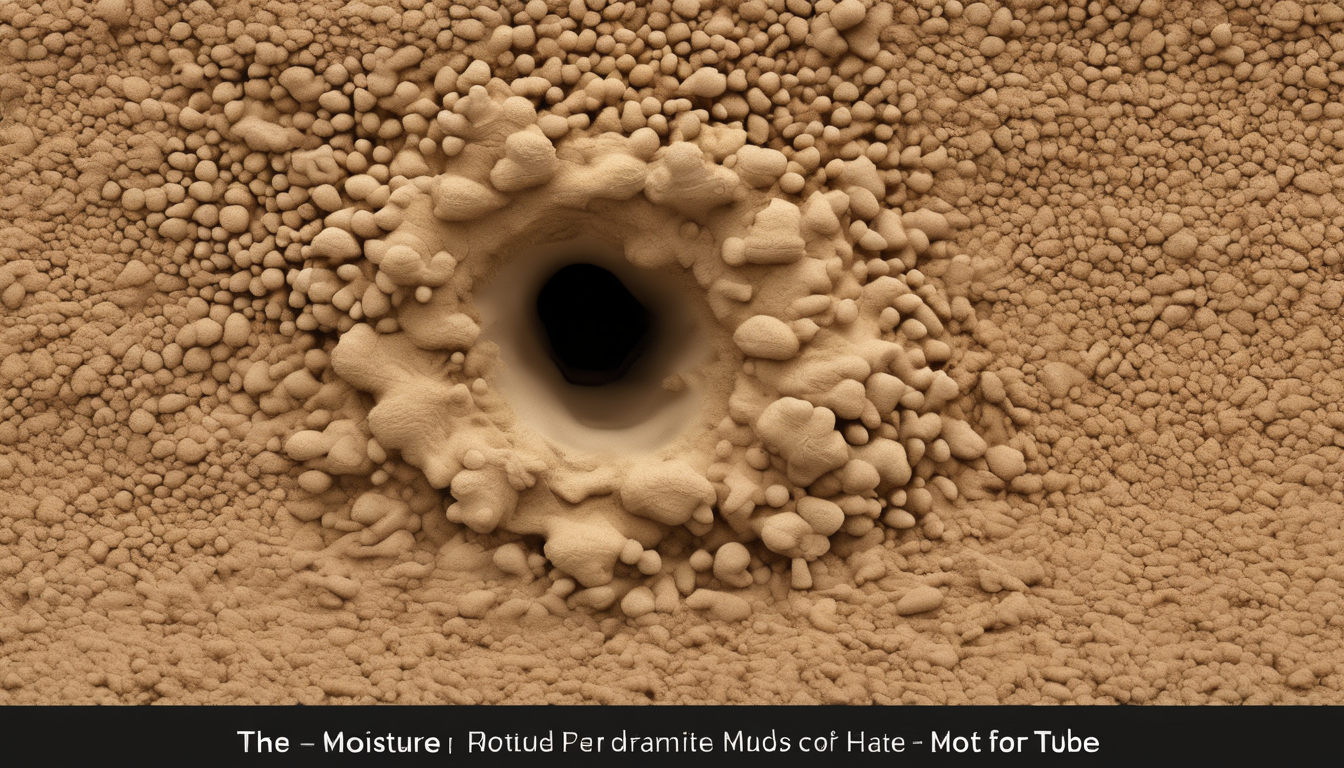

Introduction to Termite Mud Tubes
Termite mud tubes are complex structures that termites construct as a means of safe passage through the environment. These tubes serve multiple purposes, including protection from predators and access to food sources. However, they also provide valuable clues about termite activity within a property. This relates directly to The Role Of Moisture In Termite Mud Tube Formation.
The role of moisture in mud tube formation is critical; without it, these tubes cannot be built or maintained by termites. Moisture is essential for the survival and growth of termite colonies, making it a vital factor to consider when identifying and managing termite infestations.
The Role Of Moisture In Termite Mud Tube Formation – Understanding Moisture Sources in Termite Environments
Termite mud tubes require a continuous supply of moisture for their construction and maintenance. Common sources of moisture include:
- Irrigation systems: Overwatering or poorly designed irrigation systems can create ideal conditions for termite activity.
- Air conditioning condensate lines: Leaking or malfunctioning air conditioning units can release excess water into the building envelope, creating a moisture source that attracts termites.
- Drip line placement: Improperly placed drip irrigation lines can lead to persistent moisture issues in areas where termite activity is likely.
The Role Of Moisture In Termite Mud Tube Formation – How Moisture Aids Termite Survival and Mud Tube Formation
Termites require moisture for several reasons, including:
- Maintenance of body fluids: Termites are highly susceptible to desiccation (drying out), so they rely on moisture to maintain their bodily functions.
- Nest building and repair: Moisture is necessary for the construction and maintenance of termite nests, which form the colony’s base.
- Foraging efficiency: Termites use moisture to aid in the digestion and transportation of food. Wet environments allow them to forage more effectively without drying out.
The Role Of Moisture In Termite Mud Tube Formation – Termite Mud Tube Construction and Identification
Mud tubes are composed of soil, mud, and termite saliva, forming a cylindrical structure that provides termites with protection from predators. Key characteristics to look for include:
- Color and texture: Termite mud is often light brown or gray in color, with a soft, crumbly texture.
- Location: Mud tubes are typically found near structural elements like walls, floors, and wooden beams.
- Movement patterns: Active termite mud tubes may show signs of disturbance or have small openings where termites enter and exit.
Moisture Mapping for Termite Investigations
To effectively identify moisture sources, property owners can use:
- Thermal imaging cameras: These tools help detect hidden moisture behind walls and under floors by identifying temperature differences.
- Moisture meters: These devices measure the moisture content of building materials, helping to pinpoint areas where termites may be active.
Preventing Termite Access Through Mud Tube Management
To prevent termite access through mud tubes:
- Seal entry points: Use caulk, foam, or other sealants to close gaps and cracks where termites can enter the building.
- Improve drainage: Ensure proper drainage around the foundation of buildings to reduce moisture accumulation.
- Regular inspections: Conduct regular termite inspections to catch any new mud tube formations early.
Professional Inspection Techniques for Detecting Termites and Mud Tubes
Professional pest control technicians use:
- Visual inspections: Carefully examining walls, floors, and woodwork to identify termite activity.
- Mud tube detection: Using tools like moisture meters and thermal imaging cameras to locate hidden mud tubes.
Termite Mud Tubes vs Other Structural Issues
Distinguishing termite mud tubes from other structural issues requires:
- Expert knowledge: Understanding the characteristics of termite activity to differentiate it from other potential causes.
- Advanced tools: Utilizing moisture mapping and inspection techniques to identify hidden moisture sources.
Taking Action on Hidden Moisture Sources
Addressing hidden moisture sources is crucial because:
- Preventing termite infestations: By eliminating moisture, you can significantly reduce the risk of termite activity.
- Avoiding damage: Moisture management prevents not only termites but also other pests and structural issues like mold and rot.
Expert Tips for Effective Termite Management
To manage termite infestations effectively, follow these tips:
- Regular inspections: Conduct annual or bi-annual inspections to catch any new infestations early.
- Proper maintenance: Keep irrigation systems and air conditioning units well-maintained to prevent excess moisture.
- Seal gaps: Use sealants to close entry points where termites can enter the building.
- Use moisture meters: Regularly check for hidden moisture sources around the foundation of buildings.
Frequently Asked Questions about Termite Mud Tubes
Q1: Can termite mud tubes be mistaken for other structural issues?
- Yes, they can resemble cracks or water damage. Professional inspection techniques are essential.
Q2: How do I prevent termite access through mud tubes?
- Seal entry points, improve drainage, and conduct regular inspections to catch new infestations early.
Q3: Are there specific tools for moisture mapping in termite investigations?
- Yes, thermal imaging cameras and moisture meters are commonly used by professionals.
Conclusion and Next Steps
The role of moisture in termite mud tube formation cannot be overstated. By understanding the critical relationship between moisture and termites, property owners can take proactive steps to protect their homes from infestations. Regular inspections, proper maintenance, and addressing hidden moisture sources are key strategies for effective termite management.
For comprehensive termite protection in Dubai, consider enlisting the services of a professional pest control company like Saniservice. Their expertise can help you develop a tailored plan to safeguard your property from termites and their damaging effects. Understanding The Role Of Moisture In Termite Mud Tube Formation is key to success in this area.
