

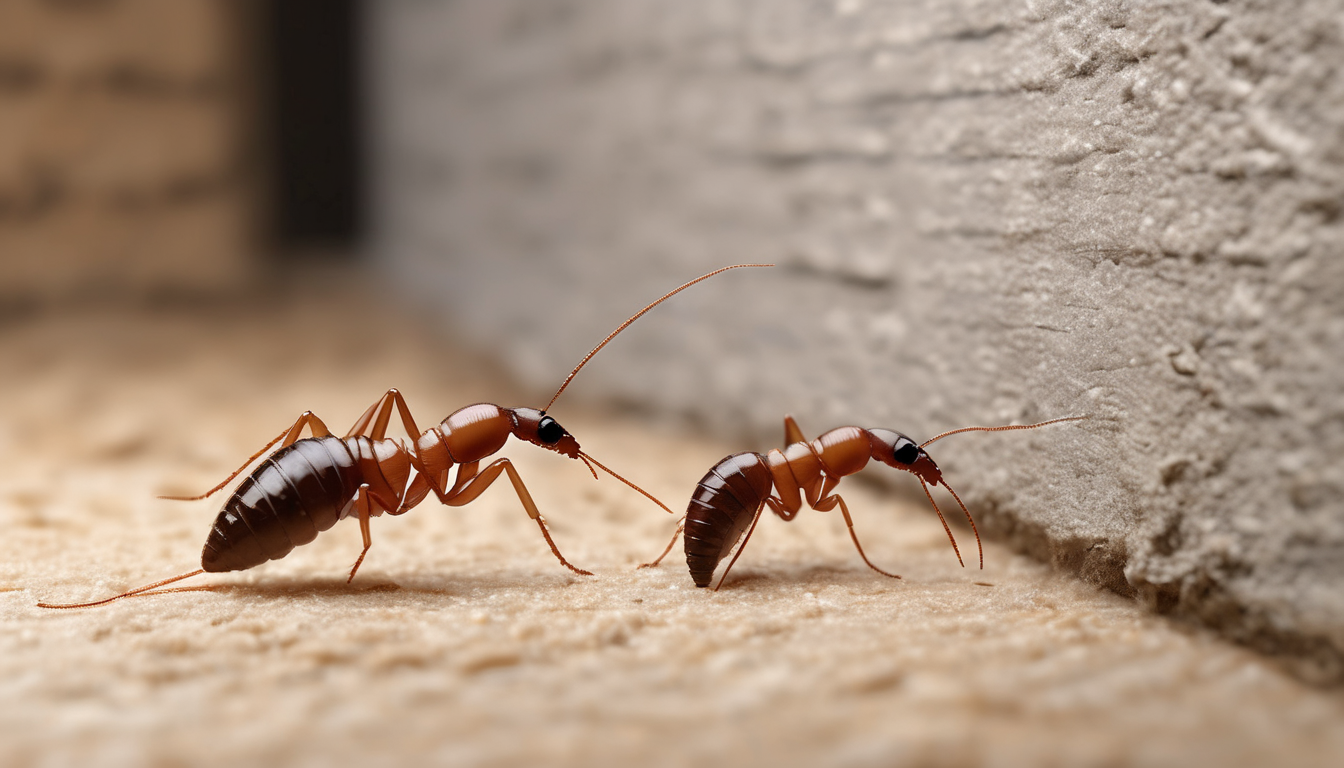

Introduction to Professional Inspection Techniques for Detecting Termite
Professional inspection techniques are essential in detecting termite infestations early, ensuring prompt treatment and preventing costly structural damage. In Dubai, where the climate supports thriving termite colonies, these techniques can be the difference between a minor repair and significant rebuilding.
Termite infestations often go unnoticed until extensive damage has occurred, making regular inspections crucial for property owners and pest control professionals. This article delves into 10 essential inspection methods that can help you identify termite activity in your home or property.
Understanding Professional Inspection Techniques for Detecting Termite
Termite detection requires a thorough understanding of their behavior and the tools used to uncover hidden colonies. Key techniques include moisture mapping, mud tube identification, and advanced thermal imaging.
Moisture Mapping for Termite Detection
Moisture is a critical factor in termite survival and activity. Moisture mapping involves using probes or sensors to measure humidity levels throughout the building. This helps pinpoint areas where termites are likely to be active.
Identifying Common Termite Mud Tube Patterns in Dubai Villas
Termite mud tubes are pathways they create from the soil to the structure, and recognizing these patterns is crucial. These tubes are often made of soil, termite saliva, and wood fiber, appearing as thin, dark lines along walls or ceilings.
Termite Mud Tubes vs Other Structural Issues
Not all structural issues in a villa are caused by termites. Understanding the differences between termite mud tubes and other common problems is essential for accurate diagnosis.
Thermal Imaging for Hidden Termite Signs
Thermal imaging cameras can detect temperature variations that indicate termite activity, even in areas where termites are not visible. This non-invasive method is particularly useful in detecting hidden colonies and assessing the extent of damage.
Advanced Professional Inspection Methods
In addition to moisture mapping and thermal imaging, several advanced techniques can provide deeper insights into termite infestations.
Acoustic Detection for Termite Activity
Acoustic detection devices emit sounds that attract termites, allowing them to be located even in the absence of visible signs. This method is particularly useful for identifying active colonies within walls or floors.
Low-Toxicity Baiting Systems
Baiting systems can be effective in monitoring termite populations and reducing colony sizes. These systems use small amounts of non-toxic baits that termites carry back to their nests, allowing the population to be controlled without extensive chemical treatments.
Termite Risk Assessment and Management
Regular risk assessments help identify potential termite entry points and high-risk areas. This involves evaluating factors such as landscaping, irrigation systems, and structural vulnerabilities.
Pre-Construction Termite Protection Planning
For new developments, pre-construction planning is crucial. This includes specifying termite-resistant materials, designing effective drainage systems, and implementing preventive measures to reduce the risk of infestations.
Expert Tips for Professional Inspection Techniques
Here are some practical tips that can enhance your inspection process:
1. Comprehensive Initial Survey: Begin with a thorough visual inspection, checking all accessible areas.
2. Detailed Record Keeping: Document every finding with photographs and detailed notes to track changes over time.
3. Regular Maintenance Checks: Schedule regular inspections to monitor for any new signs of termite activity.
4. Educate Property Owners: Provide property owners with information on how termites operate and what they can do to prevent infestations.
FAQ on Professional Inspection Techniques for Detecting Termite
1. Q: How often should I have my property inspected?
A: It is recommended to conduct inspections at least twice a year, especially in high-risk areas.
2. Q: What are the signs that indicate termite activity in my home?
A: Look for mud tubes, hollow-sounding wood, and swarming termites. Regular inspections can help identify these early warning signs.
3. Q: Can I do a DIY termite inspection?
A: While you can perform basic checks, professional inspections are recommended to ensure thoroughness and accuracy.
Conclusion: Essential Professional Inspection Techniques for Detecting Termite
Professional inspection techniques are vital in detecting termite infestations early. By employing methods such as moisture mapping, mud tube identification, and thermal imaging, you can protect your property from costly damage. Regular inspections, combined with proactive management strategies, can help keep termites at bay.
— Understanding Professional Inspection Techniques For Detecting Termite is key to success in this area.
