

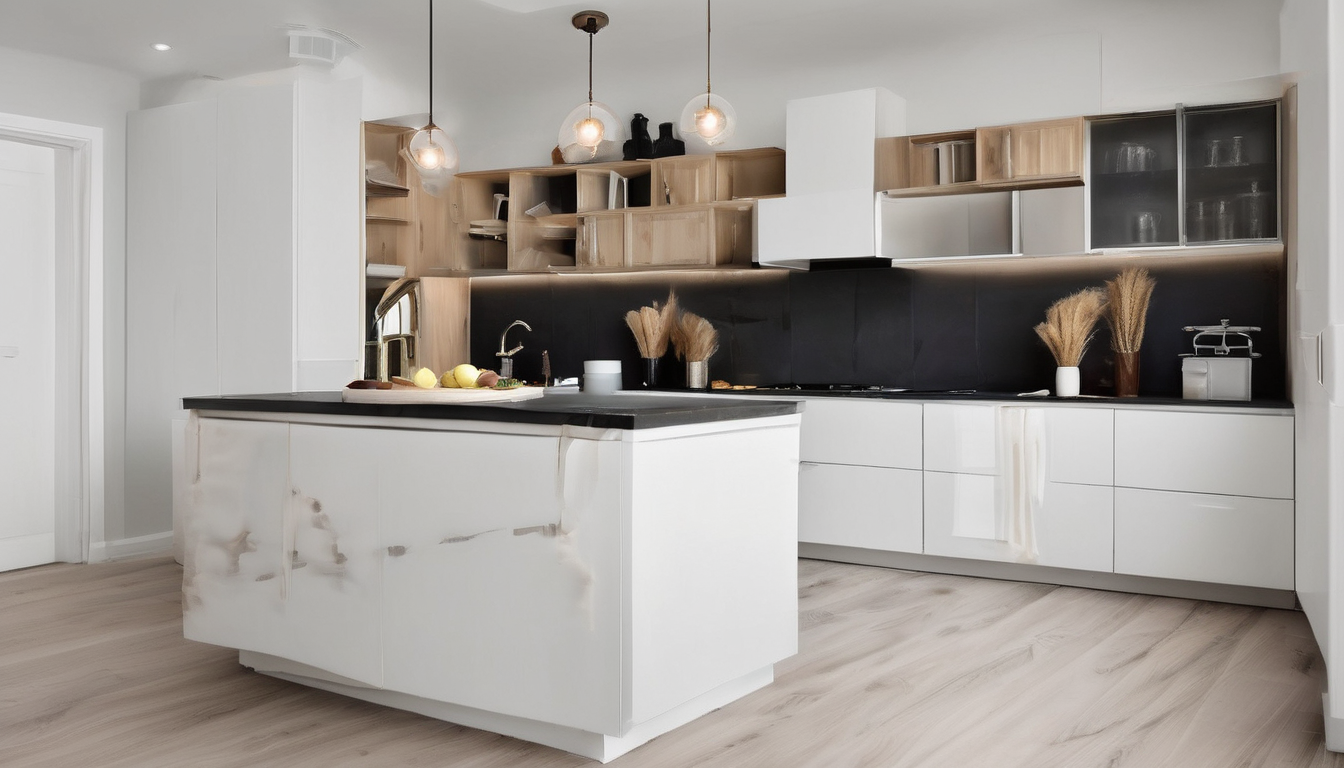

Kitchen cabinets represent one of the most vulnerable points for termite damage in Dubai homes, particularly in villas and older apartment buildings. The combination of imported wood materials, high humidity from cooking activities, and proximity to water sources creates an ideal environment for termite colonies to establish themselves. Signs of Termite damage in Dubai kitchen cabinets often go unnoticed until significant structural compromise has occurred, making early detection critical for preventing expensive repairs.
In my experience as Head of Operations at Saniservice Dubai, I’ve inspected thousands of kitchen cabinets across the UAE, from Palm Jumeirah villas to Downtown Dubai apartments. The unique desert climate of Dubai, combined with extensive landscaping irrigation, creates specific termite pressure patterns that differ from other regions. Signs of termite damage in Dubai kitchen cabinets typically follow predictable pathways from external moisture sources to interior wood structures.
This comprehensive guide will help Dubai homeowners identify the early warning signs of termite damage in kitchen cabinets, understand why Dubai properties are particularly vulnerable, and know when to seek professional inspection. Recognising these signs of termite damage in Dubai kitchen cabinets early can save homeowners thousands of AED in repair costs and prevent structural compromise to their properties.
Signs Of Termite Damage In Dubai Kitchen Cabinets – Visual Signs of Termite Damage in Kitchen Cabinets
The most apparent signs of termite damage in Dubai kitchen cabinets appear as visual changes to the wood surface and surrounding areas. Mud tubes running along cabinet backs, corners, or underneath shelves indicate active subterranean termite activity. These pencil-thin tunnels made of soil, saliva, and fecal matter protect termites from Dubai’s dry air while they travel between their nest and food source. Frass piles, which resemble small mounds of salt and pepper or sawdust, accumulate beneath damaged cabinets as termites excavate wood.
Discoloration or blistering of wood surfaces often precedes more obvious damage in Dubai kitchen cabinets. The high humidity in many Dubai kitchens, combined with condensation from air conditioning systems, creates ideal conditions for termites to thrive while masking early warning signs. Paint that appears bubbled or cracked without moisture exposure may indicate termite activity beneath the surface. In severe cases, actual termite swarmers or winged reproductive termites may emerge from cabinets, particularly during Dubai’s milder winter months.
Signs Of Termite Damage In Dubai Kitchen Cabinets – Auditory and Tactile Indicators of Termite Activity
Beyond visual inspection, Dubai homeowners should listen and feel for subtle signs of termite damage in kitchen cabinets. A hollow sound when tapping on cabinet doors or frames indicates internal tunneling by termites. This hollow acoustic quality results from termites consuming the cellulose material between the outer wood veneers, leaving only a thin shell intact. The damage often progresses from the inside out, making early detection through sound testing particularly valuable.
Softened wood that yields to pressure from a thumb or screwdriver represents another tactile sign of termite damage in Dubai kitchen cabinets. Termites prefer to consume the softer spring wood first, leaving the harder summer wood layers intact until later stages of infestation. This creates a characteristic rippled or layered effect when the damaged wood is examined closely. In advanced cases, cabinet doors may fail to close properly or shelves may sag under minimal weight due to structural compromise from internal termite feeding.
Signs Of Termite Damage In Dubai Kitchen Cabinets – Structural Changes in Damaged Cabinets
Structural changes provide some of the most definitive signs of termite damage in Dubai kitchen cabinets. Doors and drawers that previously functioned smoothly may begin to stick or fail to close completely as termite activity alters the wood dimensions. This sticking occurs because termite feeding and moisture from their activity causes wood to swell slightly, changing the precise tolerances of cabinet components. In some cases, the opposite occurs—excessive gaps appear around doors and drawers as termites consume the structural elements that maintain proper alignment.
Floor-level cabinets often show the earliest structural signs of termite damage in Dubai kitchens because they have direct contact with flooring and walls where termites typically enter. The weight-bearing components at cabinet bases and corners become compromised first, leading to visible sagging or misalignment. Hinges may pull away from the wood as the screw-holding capacity diminishes due to internal termite damage. In severe infestations, entire cabinet sections may become detached from walls or collapse under their own weight when opened.
Environmental Clues Around Infested Cabinets
Environmental conditions around kitchen cabinets often provide secondary signs of termite damage in Dubai homes. Unexplained moisture accumulation beneath sinks or around plumbing penetrations creates ideal termite entry points. In Dubai’s climate, where external irrigation constantly moistens soil around villa foundations, termites follow this moisture gradient inward toward kitchen areas. Homeowners should monitor for persistent dampness or water stains that cannot be explained by visible leaks.
Temperature variations also influence termite behavior and can amplify signs of termite damage in Dubai kitchen cabinets. The microclimate behind refrigerators, ovens, and dishwashers often provides the warmth and humidity termites prefer. Dubai’s extreme summer heat drives termites to seek cooler interior spaces, while winter conditions may drive them deeper into wall cavities and cabinet structures. Landscaping irrigation patterns directly affect termite movement toward structures, with overwatered gardens adjacent to kitchens creating particularly high risk.
Dubai-Specific Risk Factors for Kitchen Cabinet Damage
Several Dubai-specific factors increase the likelihood and severity of signs of termite damage in kitchen cabinets. The extensive use of imported wood materials in Dubai cabinetry, often without proper pre-treatment for desert termite species, creates vulnerability not found in regions with native timber construction. Many European and American wood species used in Dubai kitchens lack natural resistance to Middle Eastern termite species like Psammotermes hybostoma.
Dubai’s construction practices also contribute to unique signs of termite damage in kitchen cabinets. The common use of false ceilings and concealed service voids provides hidden highways for termites to move between floors and into kitchen areas. Marble and tile finishes often conceal early warning signs until damage becomes extensive. The standard practice of enclosing plumbing pipes within walls and cabinets creates moisture trails that termites follow directly into kitchen spaces.
Immediate Response Protocol for Suspected Damage
Upon discovering potential signs of termite damage in Dubai kitchen cabinets, homeowners should implement specific response protocols to prevent further spread. Avoid disturbing mud tubes or frass piles, as these provide valuable evidence for professional inspectors to determine termite species and activity levels. Refrain from applying over-the-counter pesticides, which may drive termites deeper into the structure or cause them to scatter to new areas.
Document all signs of termite damage in Dubai kitchen cabinets with photographs from multiple angles, noting dates and locations of findings. Reduce moisture sources immediately by fixing leaks, improving ventilation, and ensuring proper drainage away from the foundation. Move food items and utensils from potentially affected cabinets to prevent contamination. Contact a Dubai Municipality-approved pest control company for professional assessment rather than attempting DIY treatments that often worsen termite problems.
Professional Inspection and Assessment Process
Professional inspection for signs of termite damage in Dubai kitchen cabinets follows a systematic process developed for local conditions. Certified technicians use moisture meters to detect elevated humidity levels within cabinet structures that may indicate termite activity. Thermal imaging cameras identify temperature variations caused by termite colonies and moisture accumulation within wall voids behind cabinets.
Acoustic detection devices can sometimes pick up the faint sounds of termite movement and feeding within cabinet frames. Inspection probes are used to assess wood density and detect hollow areas without causing unnecessary damage to cabinet surfaces. The inspection report should detail the extent of damage, termite species identification, treatment recommendations, and repair options specific to Dubai kitchen cabinet materials and construction.
Prevention Strategies for Dubai Homes
Effective prevention reduces the likelihood of ever seeing signs of termite damage in Dubai kitchen cabinets. Install physical termite barriers during construction or renovation, particularly for ground-level kitchens in villas. Schedule professional termite inspections annually, or biannually for properties with previous termite issues or extensive landscaping. Maintain a 45-centimeter gap between soil level and any wood elements of kitchen cabinets.
Manage irrigation systems to prevent water from accumulating near foundations or under kitchen areas. Use termite-resistant materials for any kitchen renovations or cabinet replacements. Ensure proper ventilation in kitchen areas to reduce humidity that attracts termites. Seal all cracks and openings around plumbing penetrations, electrical conduits, and expansion joints that termites could use to access cabinet voids.
Expert Tips for Dubai Homeowners
- Conduct monthly tap tests on cabinet bases and corners listening for hollow sounds
- Use a moisture meter to check areas beneath sinks and behind appliances quarterly
- Install termite monitoring stations around kitchen perimeter for early detection
- Choose solid wood or metal cabinet frames instead of particle board when renovating
- Ensure exterior grading directs water away from your foundation
- Trim vegetation back at least 1 metre from external kitchen walls
- Request termite clauses in home insurance policies specific to Dubai risks
- Maintain records of all termite inspections and treatments for property transactions
Frequently Asked Questions
How quickly can termites damage kitchen cabinets in Dubai?
Depending on colony size and conditions, significant damage can occur within 6-12 months. Dubai’s constant warmth allows year-round termite activity unlike seasonal climates.
Are termite damage repairs covered by home insurance in Dubai?
Most standard policies exclude termite damage. Specialized add-ons are available but require proof of regular professional inspections and preventive treatments.
Can I use kitchen cabinets while they’re being treated for termites?
Most modern termite treatments allow continued use of kitchens, though temporary relocation of food items may be recommended during application. This relates directly to Signs Of Termite Damage In Dubai Kitchen Cabinets.
How much does termite damage repair cost for Dubai kitchen cabinets?
Partial repairs start around AED 2,000-5,000, while full cabinet replacement ranges from AED 15,000-45,000 depending on materials and kitchen size.
Recognising early signs of termite damage in Dubai kitchen cabinets requires regular vigilance and understanding of local termite behavior patterns. The combination of Dubai’s climate, construction methods, and landscaping practices creates unique vulnerability in kitchen areas where moisture and food sources converge. Professional inspection at the first suspicion of termite activity provides the best opportunity for minimal intervention and cost-effective resolution.
