

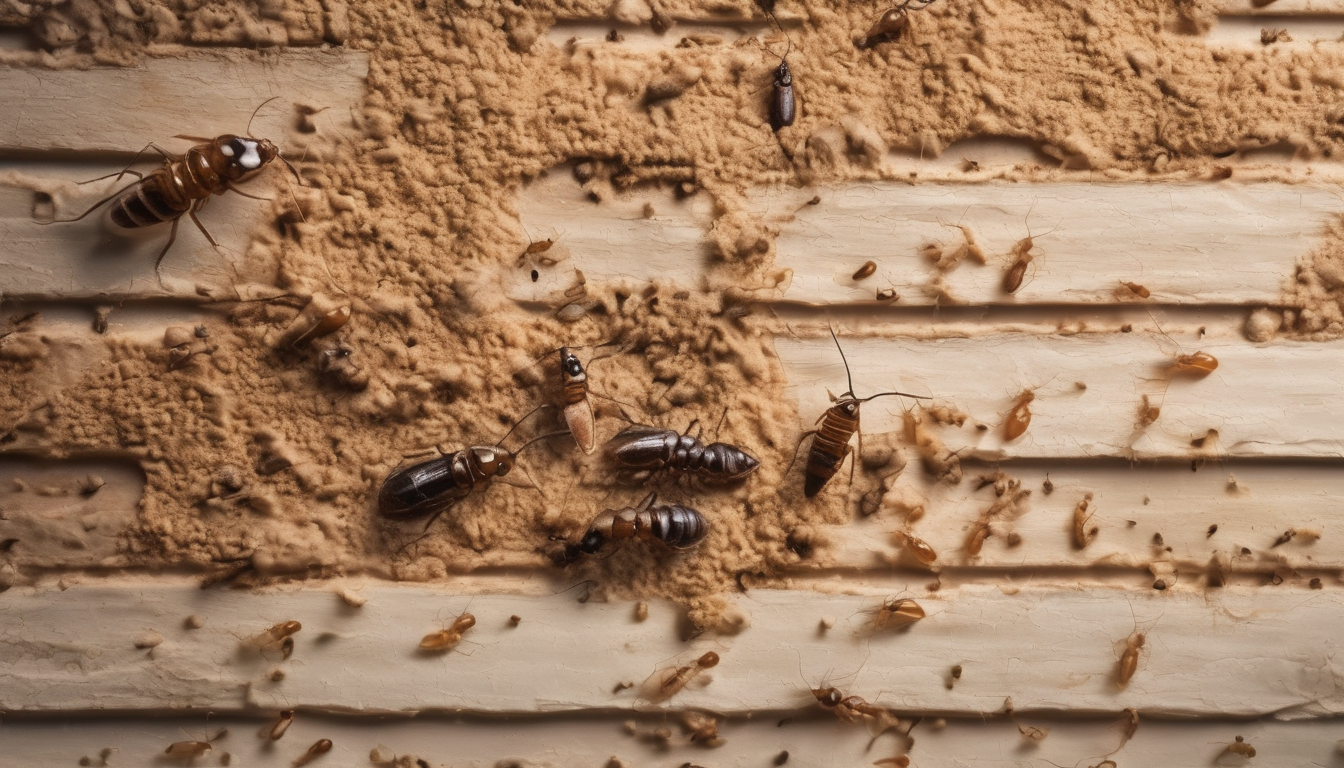

Termites pose a significant threat to residential properties in Dubai, especially subterranean species that thrive in moist environments. One of the most powerful defenses against termite infestation is controlling moisture effectively in and around your home. This article explores Effective Moisture Control strategies to reduce termite risk in residential properties, detailing specific techniques, factors affecting costs, and what homeowners can expect when investing in moisture control for termite prevention.
Understanding and implementing these proven moisture control methods can dramatically lower the likelihood of termite infestations, protecting the structural integrity and value of your property. This guide also includes a breakdown of pricing considerations and practical advice tailored to the unique climate and construction styles of Dubai villas.
Understanding Effective Moisture Control Strategies to Reduce Termite Risk in Residential Properties
Moisture is integral to termite survival. Subterranean termites, the most common termite species in Dubai, require consistent access to moisture to build their mud tubes and colonize wooden structures. Therefore, effective moisture control is paramount to interrupting their life cycle and reducing the risk of infestation.
Effective moisture control strategies focus on identifying and eliminating moisture accumulation points around the property, maintaining good drainage, and minimizing water contact with wood and soil surrounding the structure. Notably, these strategies do not typically eliminate termites directly but create unfavorable conditions that deter termite presence and activity.
Key Moisture Sources That Attract Termites in Residential Settings
Before deploying moisture control strategies, homeowners need to recognize typical moisture sources that attract termites within residential environments, including Dubai villas:
- Irrigation Systems: Overwatering, leaking drip lines, and sprinkler heads that spray directly on foundations can saturate soil and wood parts.
- Plumbing Leaks: Faulty pipes, drains, and condensation lines can cause hidden damp zones inside walls or near foundations.
- Poor Drainage and Soil Grading: Soil that slopes toward the building or accumulates water leads to persistent dampness at the base of construction.
- Decorative Planters and Water Features: When placed against walls or on balconies, these can keep wood surfaces wet and provide bridging access.
- Concrete and Expansion Joints: Hairline cracks or unsealed joints can allow moisture to penetrate foundation areas creating damp environments adjacent to wood.
Top 7 Proven Effective Moisture Control Strategies to Reduce Termite Risk in Residential Properties
1. Optimize Irrigation Design and Scheduling
Adjust irrigation systems to minimize water contact with building foundations. Installing drip lines away from perimeter walls and scheduling watering times to avoid prolonged soil saturation are critical steps. Using timers and moisture sensors can help maintain dry soil conditions and reduce termite habitat potential around Dubai villas.
2. Thorough Plumbing Inspection and Leak Repair
Regularly inspect plumbing for leaks, especially in outdoor pipes, condensate lines, and irrigation connectors. Quick repair of leaks prevents moisture buildup inside walls and crawl spaces where termites commonly gain access.
3. Improve Site Drainage and Soil Grading
Ensure soil slopes away from the foundation by at least a 5% gradient to channel rainwater and irrigation runoff away from the home. Installing French drains or surface drains around gardens can efficiently divert excess water, reducing soil moisture levels that support subterranean termites.
4. Install Moisture Barriers and Vapor Retarders
Using plastic sheeting or specialized membranes beneath slabs and crawl spaces limits moisture migration from the ground into wooden structural elements. These barriers are essential in new construction and also beneficial when retrofitted in existing homes.
5. Seal Cracks, Expansion Joints, and Penetrations
Carefully seal foundation cracks, gaps around utility penetrations, and expansion joints with approved sealants or physical barriers to prevent water ingress and termite entry. Regular maintenance of these seals is necessary to maintain their effectiveness over time.
6. Proper Ventilation in Crawl Spaces and Attics
Ensuring adequate airflow in crawl spaces and attics reduces humidity, prevents condensation buildup, and lowers moisture levels that attract termites. Installing vents or mechanical fans may be required for enclosed or poorly ventilated areas.
7. Maintain Landscaping and Avoid Wood-to-Soil Contact
Trim vegetation away from walls and avoid placing mulch, wooden landscaping features, or timber planters directly against the building. Maintain a clearance of at least 15 cm between soil and wood elements to reduce moisture retention and termite access pathways.
Pricing Guide for Moisture Control Implementation
The cost of implementing effective moisture control strategies to reduce termite risk in residential properties varies depending on the scope and complexity of work. Below is a general pricing guide for common moisture control measures in Dubai Villas:
| Moisture Control Measure | Typical Cost Range (AED) | Key Cost Factors |
|---|---|---|
| Irrigation System Adjustment and Repair | 500 – 2,500 AED | Size of garden, complexity of irrigation layout, parts replaced |
| Plumbing Leak Detection and Repair | 800 – 4,000 AED | Location and accessibility of leaks, parts needed, labor hours |
| Soil Grading and Drainage Improvement | 3,000 – 10,000 AED | Site size, degree of regrading, drainage system installation |
| Installation of Vapor Barriers and Moisture Membranes | 5,000 – 15,000 AED | Area coverage, material type, access to crawl spaces or slabs |
| Sealing Foundation Cracks and Penetrations | 1,000 – 5,000 AED | Number and size of cracks, materials used, technician expertise |
| Ventilation Enhancements (Vents, Fans) | 2,000 – 8,000 AED | Vent quantity, mechanical ventilation system cost and installation complexity |
| Landscaping Modifications to Prevent Wood-Soil Contact | 1,500 – 6,000 AED | Size of landscaped area, type of plants and materials, labor |
Additional Factors Affecting Pricing:
- Accessibility: Difficult-to-access crawl spaces or garden layouts increase labor costs.
- Property Size: Larger properties require more materials and time.
- Severity of Moisture Issues: Extensive moisture problems may require combined solutions, impacting costs.
- Quality of Materials: Premium sealants, membranes, and mechanical systems cost more upfront but offer durability.
- Professional Expertise: Employing certified pest management or irrigation specialists may command higher rates but ensures effectiveness.
Combining Moisture Control with Other Termite Prevention Methods
While moisture control is essential, it is most effective when integrated with other termite control methods such as chemical barriers and baiting systems. Chemical soil treatments and pre-construction termiticides create lethal barriers to termites, while baiting systems target termite colonies for gradual elimination.
In Dubai, professional pest control providers often recommend integrated pest management (IPM) approaches that combine moisture control measures with precise chemical applications. This minimizes chemical use, lowers environmental impact, and creates sustainable termite defense for residential properties.
Expert Tips for Sustainable Moisture Management in Dubai Villas
- Schedule periodic termite and moisture inspections by certified professionals—annual or biannual checks are ideal.
- Regularly monitor and maintain irrigation systems to prevent leaks and overspray near building foundations.
- Optimize irrigation timing to early mornings or late evenings to reduce evaporation and soil moisture spikes.
- Use native, drought-tolerant landscaping to reduce irrigation needs and excess moisture.
- Implement clear drainage paths away from the building using landscaping contours and hardscape elements.
- Educate household members and maintenance staff about the importance of moisture control in termite prevention.
- Combine moisture control with targeted termite monitoring stations to catch early activity before damage occurs.
Conclusion: Summary on the Effectiveness of Moisture Control
Implementing effective moisture control strategies to reduce termite risk in residential properties is a proven, essential step in termite prevention, especially in Dubai’s climate where subterranean termites exploit moisture-rich sites. By addressing irrigation design, plumbing leaks, drainage, ventilation, and landscaping practices, homeowners create hostile environments that deter termite colonization.
Costs vary based on property size and strategy complexity, but investing in moisture control offers long-term savings by avoiding costly termite damage repairs. Combined with professional termite treatments and ongoing monitoring, these strategies form a comprehensive defense system to protect your villa or home.
