

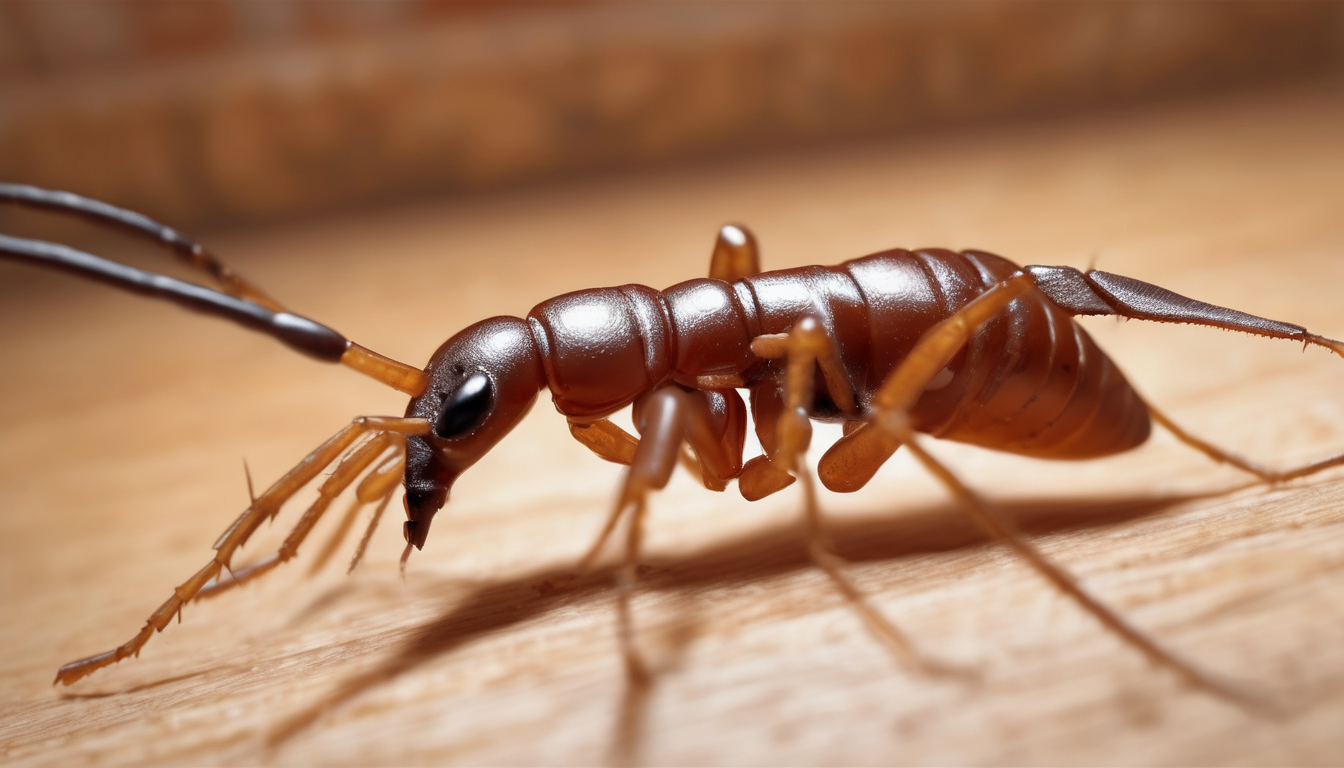

Termites pose a persistent threat to residential properties, especially in Dubai’s unique desert environment where irrigation and structural vulnerabilities create ideal conditions for infestations. Implementing long-term monitoring and maintenance plans for preventing termite recurrence is essential to safeguard villas from the costly and often hidden damage termites cause.
This article explores how homeowners and pest management professionals in Dubai can design and execute effective, seasonally aware monitoring and maintenance programs. It draws on integrated pest management principles, focusing on moisture control, inspection routines, and appropriate treatment methods tailored for desert villas.
Understanding Long-Term Monitoring and Maintenance Plans for Preventing Termite Recurrence
Long-term monitoring and maintenance plans for preventing termite recurrence extend beyond a single treatment. They involve continuous evaluation, habitat management, and strategic interventions aimed at keeping termite populations at bay indefinitely. In Dubai villas, these plans are particularly crucial due to the region’s warm climate and irrigation-dependent landscaping, which attract subterranean termites.
The core philosophy emphasizes that successful termite control is about addressing the root causes—primarily moisture availability and entry pathways—rather than only responding to visible damage. A well-designed plan integrates preventive treatments, habitat modification, and regular inspections to detect any new activity before structural harm develops.
Seasonal Impacts on Termite Activity in Dubai
Although Dubai has a desert climate, termite activity still fluctuates seasonally, influenced mainly by temperature and moisture availability. Long-term monitoring plans must account for these seasonal variations:
- Winter (December to February): Cooler temperatures slow termite metabolism and activity, yet irrigation systems in gardens continue to provide moisture. Monitoring during this time helps identify residual activity or colonies surviving in microclimates within the villa grounds.
- Spring (March to May): Rising temperatures and early summer irrigation boost termite foraging behavior. This period demands intensified inspections to disrupt early colony expansions.
- Summer (June to September): Extreme heat drives termites underground and deeper into shaded moist zones. Irrigation schedules typically increase, inadvertently raising termite risk. Maintenance plans must focus on moisture regulation and barrier integrity.
- Autumn (October to November): Transitional weather with intermittent rain and irrigation adjustments can trigger swarming events. Early detection through monitoring is important to prevent establishment of new colonies.
Adapting maintenance schedules seasonally—especially aligning inspections and treatments with these periods—maximizes termite control effectiveness and minimizes chemical use.
Key Components of Long-Term Monitoring and Maintenance
A successful long-term monitoring and maintenance plan for preventing termite recurrence typically includes these core elements:
- Systematic and Scheduled Inspections: Regularly assess vulnerable points in the structure—foundations, expansion joints, wall perimeters, timber features, and irrigation systems—for signs of termite activity such as mud tubes or hollow-sounding wood.
- Moisture Mapping and Management: Identify and reduce moisture sources supporting termite colonies through drainage improvements, irrigation adjustments, and plumbing maintenance.
- Physical and Chemical Barriers: Maintain termiticide-treated soil barriers and reinforce physical deterrents like metal mesh barriers at potential termite entry points.
- Targeted Treatment Interventions: Apply non-routine termiticides, bait stations, or localized treatments informed by inspection findings rather than blanket applications.
- Record Keeping and Analysis: Document inspection results, treatment details, and environmental changes to track trends and adjust strategies proactively.
These components work synergistically to keep termite pressures under control over years, preventing costly and invasive infestations.
Moisture Management Strategies to Prevent Termite Recurrence
Moisture management is the backbone of any termite prevention plan, particularly in Dubai’s landscape where artificial irrigation can inadvertently facilitate termite colonization:
Drainage and Grading Improvements
Ensuring proper site grading away from foundations prevents water accumulation. Installing French drains or gravel trenches under patios and around pools directs excess water away from the structure’s base.
Irrigation System Optimization
Drip irrigation lines must be carefully placed and scheduled to avoid saturating soil near foundations. Overwatering creates a moist environment attractive to termites. Seasonal adjustments help reduce risk during wetter periods.
Fixing Plumbing Leaks and Condensation Sources
Leaking pipes, air conditioning condensation drains, and poorly sealed utility penetrations increase moisture and termite access. Routine maintenance of these systems is critical.
Ventilation and Crawl Space Control
Improving ventilation under elevated floors or crawl spaces reduces humidity. Physical barriers and vapor barriers also help keep these areas dry.
Use of Moisture Sensors and Monitoring
Incorporating moisture sensors in strategic zones can alert homeowners or technicians to moisture increases that correlate with termite risk, enabling swift action.
Role of Inspection and Early Detection
Regular and thorough inspections form the cornerstone of long-term monitoring and maintenance plans for preventing termite recurrence. Inspections should focus on:
- Structural Vulnerabilities: Check expansion joints, wall-floor junctions, service penetrations, and timber features prone to termite access.
- Signs of Termite Presence: Look for mud tubes, damaged wood, discoloration, winged termite swarms, and termite droppings.
- Environmental Conditions: Identify moisture hotspots and conducive landscaping elements.
Typically, inspections in Dubai villas are recommended every 6 months, with increased frequency during spring and autumn when termite activity fluctuates. Integration of technology such as moisture meters, infrared cameras, and digital record-keeping enhances inspection precision and facilitates long-term trend tracking.
Comparing Chemical Treatments and Termite Baiting Systems
Long-term termite management benefits from selecting appropriate treatment strategies. Two principal approaches in Dubai villas include:
Chemical Barrier Treatments
Soil-applied termiticides form a chemical barrier intended to kill or repel termites before entry. When installed correctly during pre-construction or post-construction, such treatments can last 5-20 years depending on chemical choice and soil conditions.
Advantages: Immediate reduction in termite activity surrounding the structure; proven track record in Dubai.
Considerations: Requires drilling and soil injection; environmental regulations limit chemical choices; periodic reapplications may be necessary if disturbances occur.
Termite Baiting Systems
These involve strategically placed bait stations that attract foraging termites, which consume slow-acting insect growth regulators, leading to colony elimination over time.
Advantages: Targeted, low-toxicity; minimal environmental disturbance; ideal for sensitive or heritage properties.
Considerations: Requires ongoing monitoring visits to service bait stations; slower initial colony knockdown compared to chemical treatments.
Integrating both methods according to property needs and termite pressure provides a balanced, effective long-term strategy.
Landscaping and Irrigation Design for Termite Resistance
Landscaping and irrigation choices strongly influence termite risk in residential properties. Expert maintenance plans include:
- Designing Landscapes Away from Foundations: Avoid planting trees, shrubs, or decorative wooden features too close to the villa perimeter to reduce termite pathways.
- Limiting Decorative Planters and Wood Elements: These often create hidden bridges for termites from soil to structure.
- Using Non-Wood Alternatives: Employ stone, metal, or composite materials in high-risk areas to break termite access.
- Controlling Irrigation Layout: Position drip lines and sprinklers to minimize soil moisture near foundations and structural elements.
These adjustments complement chemical and physical barriers to create an integrated ecosystem less favorable to termites, cutting infestation chances significantly.
Expert Tips for Effective Long-Term Termite Management
- Schedule regular termite inspections at least twice yearly, increasing frequency during Dubai’s spring and autumn seasons.
- Focus treatments on identified pathways and moisture sources rather than indiscriminate spraying.
- Engage in early remediation of plumbing leaks and drainage problems disrupting soil moisture balance.
- Train household and maintenance staff to recognize early termite signs like mud tubes, blistered paint, or winged termites.
- Keep detailed treatment and inspection records, allowing trend analysis and targeted interventions.
- Collaborate with pest control professionals experienced in desert subterranean termite ecology and integrated pest management for customized solutions.
Conclusion on Preventing Termite Recurrence
Long-term monitoring and maintenance plans for preventing termite recurrence are indispensable for protecting Dubai villas from costly structural damage. By focusing on moisture control, scheduled inspections, and a tailored combination of chemical and baiting treatments, homeowners can maintain a termite-free environment year-round. Seasonal awareness sharpens the timing of interventions, while landscaping and irrigation adjustments further reduce termite pressures.
Committing to a rigorous, documentation-based maintenance routine under expert guidance ensures early detection and efficient elimination of termite threats. Ultimately, this integrated approach not only preserves the structural integrity and value of waterfront and desert villas but also minimizes unnecessary chemical use, supporting sustainable pest management in Dubai’s challenging climate.
