

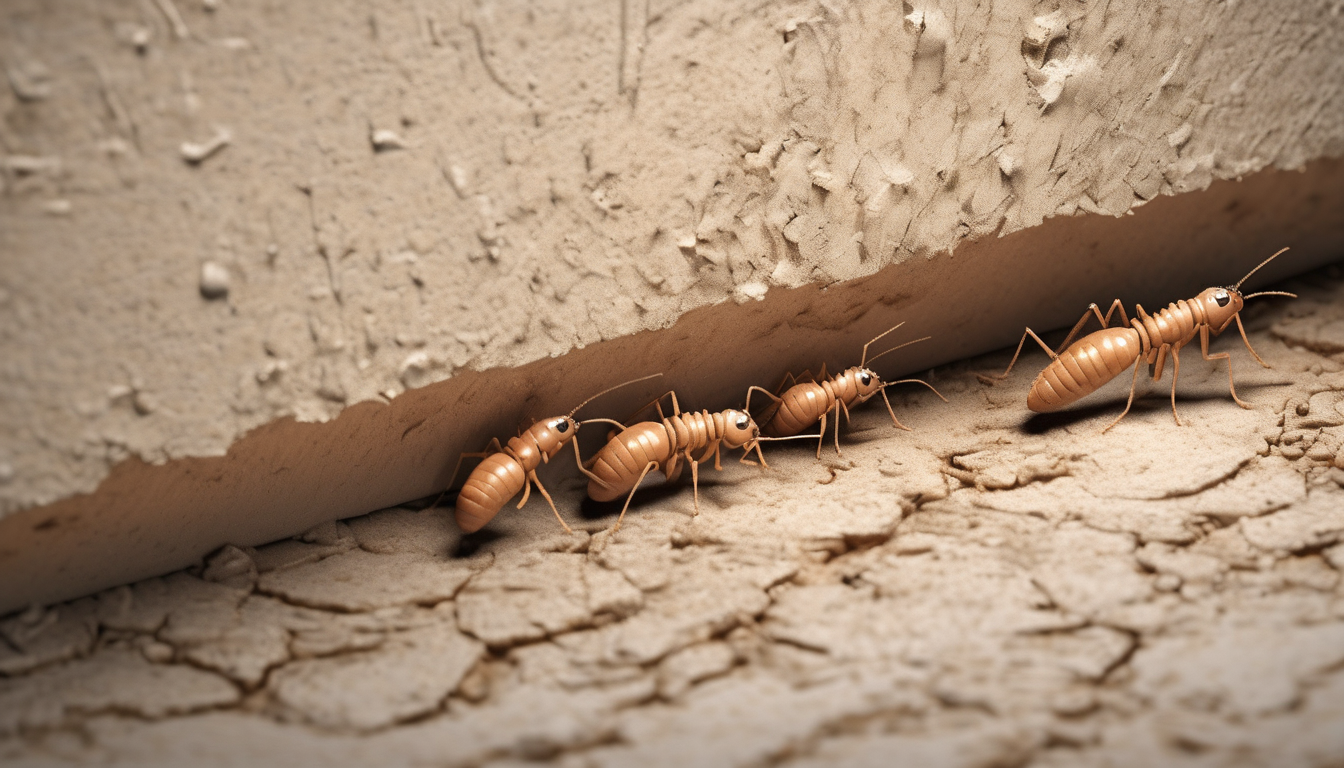

Understanding Hidden Termite Entry Points Through Foundation Details is essential.
Termite infestations can devastate Dubai villas, especially when they find hidden entry points through foundation details. This article delves into the most common pathways that termites exploit and provides practical tips for preventing termite damage.
Table of Contents
In Dubai, termites are not just pests—they are an ever-present threat that can compromise the structural integrity of buildings. One critical aspect of termite management is recognizing and preventing entry points through foundation details. This article will explore these hidden pathways and provide insights into how to protect your property.
Hidden Entry Points Through Foundation Details
Termite colonies in Dubai are highly adaptive, often finding hidden entry points that homeowners might overlook. These entry points can include cracks, expansion joints, service penetrations, and moisture lines within the foundation. Understanding these pathways is crucial for effective termite prevention.
Dubai’s unique soil conditions and building designs create numerous opportunities for termites to enter structures undetected. Here are some of the most common hidden entry points: This relates directly to Hidden Termite Entry Points Through Foundation Details.
1. Cracks in Concrete Foundations: Subterranean termite species like Psammotermes hybostoma can exploit tiny cracks in concrete foundations, which provide a stable environment and easy access.
2. Expansion Joints: These are designed to accommodate movement but often become pathways for termites. The gaps between sections of the foundation or between the foundation and walls can allow termites to move freely.
3. Service Penetrations: Pipes, conduits, and other service lines passing through the foundation serve as entry points. Termite tubes and mud tunnels may form along these routes, connecting inside the building with outside colonies.
The subterranean termite species commonly found in Dubai soils include Psammotermes hybostoma and Microcerotermes acuticuspis. These termites thrive in warm, moist environments and can cause significant damage to structures.
1. Psammotermes hybostoma: This species is particularly active during the summer months when temperatures rise. They are known for their ability to travel long distances through soil and are attracted to moisture sources.
2. Microcerotermes acuticuspis: These termites can be found in both urban and rural areas, often infesting wooden structures near water sources.
Dubai’s arid climate is exacerbated by extensive landscaping and irrigation systems. Moisture lines and drip irrigation can create ideal conditions for termite colonies, which often follow these water sources.
1. Moisture Lines in Foundations: Soil moisture can accumulate around the perimeter of foundations, creating a pathway for termites to enter the building through small cracks or gaps.
2. Drip Irrigation Systems: Properly installed drip irrigation systems are essential, but improperly placed lines can attract termites by providing constant moisture sources near the foundation.
Termite tubes or mud tunnels are often hidden within cracks in concrete foundations. These structures allow termites to travel safely from outside to inside, undetected.
1. Crack Monitoring: Regularly inspecting the foundation for signs of termite activity, such as small holes or piles of frass (termite droppings), is crucial.
2. Mud Tube Identification: Termite tubes are often made of soil and can be found near cracks in concrete or around service penetrations.
Entry Through Expansion Joints and Service Penetrations
Expansion joints in Dubai’s modern structures serve a purpose but also present opportunities for termites to move into buildings. These joints allow for thermal expansion and contraction, creating small gaps that can be exploited.
1. Inspection of Expansion Joints: Regularly check expansion joint seals for signs of termite activity.
2. Seal Service Penetrations: Ensure all service penetrations through the foundation are properly sealed to prevent termites from entering via these routes.
Effective prevention strategies can significantly reduce the risk of termite infestations. Here are some practical measures:
1. Regular Inspections: Schedule annual or biannual inspections to identify hidden entry points and early signs of termite activity.
2. Seal Cracks and Gaps: Seal any cracks, gaps, or openings in the foundation with appropriate materials like epoxy or sealant.
3. Proper Irrigation Management: Ensure drip irrigation lines are correctly placed away from the foundation to avoid creating moisture sources. When considering Hidden Termite Entry Points Through Foundation Details, this becomes clear.
Termite Inspection and Monitoring
Regular inspections and monitoring can help identify hidden termite entry points before they cause significant damage. Here are some key steps:
1. Thermal Imaging: Use thermal imaging cameras to detect termite activity, especially in areas where direct inspection is difficult.
2. Mud Tube Detection: Look for termite tubes or mud tunnels in foundation cracks and around service penetrations.
3. Monitoring Stations: Install monitoring stations at strategic locations to catch early signs of termite activity.
Expert Tips
1. Annual Inspections: Schedule annual inspections with a certified termite specialist to identify hidden entry points.
2. Moisture Management: Ensure proper drainage and irrigation management to prevent moisture accumulation around the foundation.
3. Seal Foundation Gaps: Seal any gaps or cracks in the foundation with appropriate materials like epoxy sealant.
4. Regular Maintenance: Regularly inspect expansion joints and service penetrations for signs of termite activity.
FAQ
1. Q: How often should I have my property inspected for termites?
– A: It is recommended to have your property inspected at least annually, or more frequently if you live in a high-risk area.
2. Q: What are the signs that indicate termite activity through foundation details?
– A: Look for small holes, piles of frass, and mud tubes around cracks or service penetrations.
3. Q: Can termite infestations be prevented completely?
– A: While it is difficult to eliminate all entry points, regular inspections and maintenance can significantly reduce the risk.
Conclusion
Termite entry points through foundation details pose a significant threat to Dubai villas and other structures. By understanding the common pathways used by termites and implementing effective prevention strategies, you can protect your property from silent termite damage. Regular inspections and proper maintenance are key to staying ahead of these insidious pests.
