

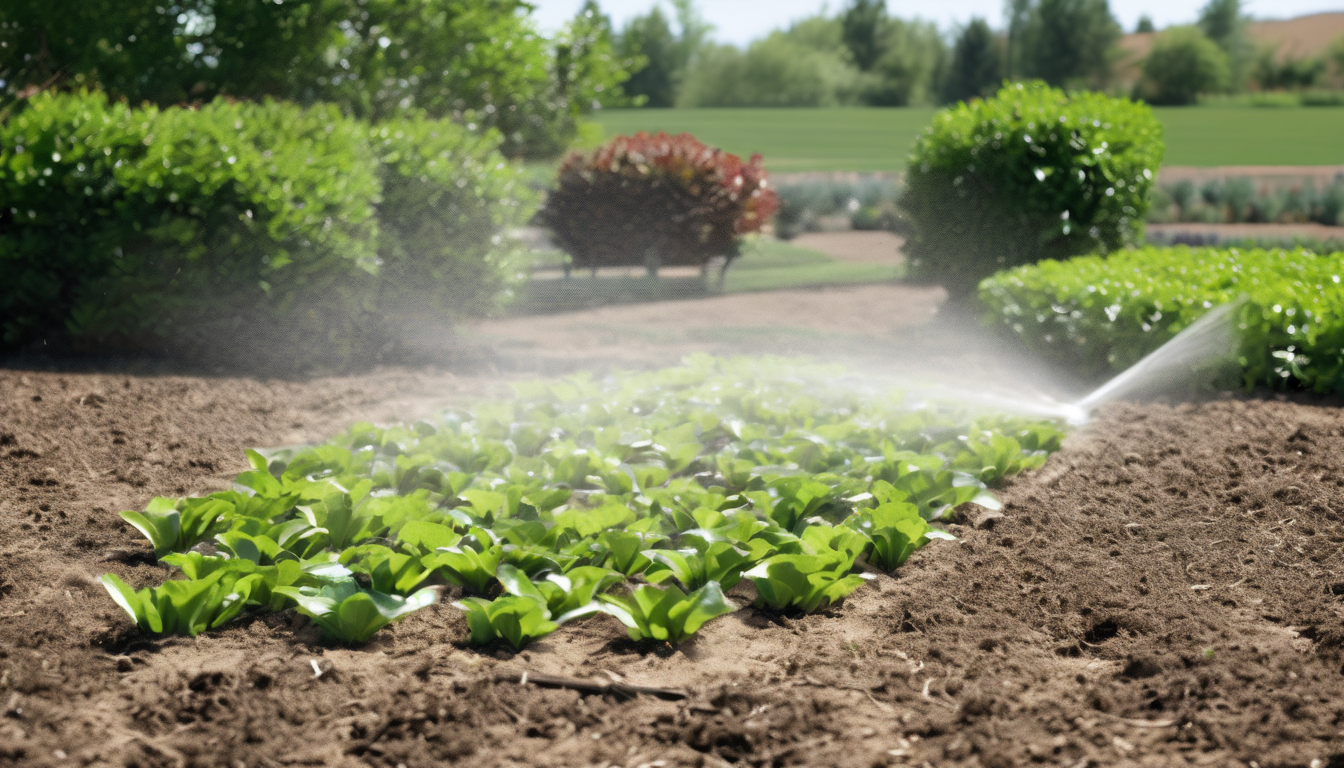

Irrigation management plays a pivotal role in minimizing pest habitat in nurseries, directly impacting plant health and pest pressure. Proper water management not only conserves resources but also disrupts favorable conditions for pests and diseases to thrive. Implementing Irrigation Management Strategies to Minimize Pest Habitat in Nurseries is thus a cornerstone of Integrated Pest Management (IPM) in nursery production, keeping pests at bay while promoting healthy crop growth. This article explores in depth the key irrigation approaches that nurseries should adopt, including associated costs, contributing factors, and expected outcomes.
By focusing on irrigation efficiency, timing, and system choice, nursery operators can significantly reduce moisture-related pest habitats such as fungal pathogens, root rots, and insect pests that exploit wet environments. Understanding the relationship between irrigation and pest pressure is essential to optimizing nursery operations.
Understanding Irrigation Management Strategies to Minimize Pest Habitat in Nurseries
Irrigation management in nurseries refers to the practices and technologies used to apply water efficiently to plants while avoiding excess moisture that creates favorable conditions for pests. Moist environments stimulate the growth of fungal pathogens, attract root-feeding insects, and can cause physiological plant stress leading to higher pest susceptibility. Therefore, managing irrigation is crucial for minimizing pest habitats.
Nursery production integrated pest management programs emphasize careful irrigation scheduling, system selection, and monitoring. Grouping plants by water needs, using efficient irrigation methods like drip or capillary mats, and avoiding unnecessary wetting of foliage are among the water management tactics that reduce pest pressure effectively. These irrigation strategies contribute directly to healthier plants and less reliance on chemical pest control.
Key Irrigation Systems Impacting Pest Habitat in Nurseries
Selection of the right irrigation system markedly influences pest habitat conditions in nurseries. The common irrigation systems include:
- Overhead Sprinkler Irrigation: This traditional system wets the entire plant canopy and soil surface but can increase disease incidence by keeping foliage wet for prolonged periods.
- Drip (Trickle) Irrigation: Applies water directly to the root zone, minimizing leaf wetness and reducing fungal pathogen development.
- Capillary Mats: Supply water from below pots, reducing runoff and humidity around foliage.
- Ebb and Flood Systems: Used mainly in greenhouse propagation, these allow precise water control but require good drainage to avoid waterlogging.
Among these, drip irrigation is widely recommended to minimize pest habitat by reducing unnecessary moisture on foliage and soil surface, thus decreasing conditions conducive to pests and diseases[1][4][6].
Critical Factors Affecting Pricing of Irrigation Management in Nurseries
The implementation cost of irrigation management strategies varies widely depending on several factors, including:
- Irrigation System Type: Drip systems generally cost more to install initially than overhead sprinklers but offer water savings and pest reduction benefits.
- Nursery Size and Layout: Larger nurseries require more extensive piping, heads, and automation, impacting cost.
- Automation and Sensor Integration: Inclusion of moisture sensors and computer-controlled irrigation systems increases upfront costs but improves precision and long-term savings.
- Water Source and Quality: Water treatment to prevent pathogen spread can add costs.
- Retrofitting vs. New Installation: Modifications to existing systems can be costlier per unit area than new installations.
Understanding these factors helps nursery managers estimate realistic budgets and select appropriate irrigation management investments to minimize pest habitats effectively.
8 Essential Irrigation Management Strategies to Minimize Pest Habitat in Nurseries
To comprehensively reduce pest habitats through irrigation management, nurseries should adopt the following essential strategies:
1. Grouping Plants by Water Requirement Zones
Segregating plants based on their specific water needs allows irrigation systems to be calibrated precisely for each zone, preventing overwatering and excess moisture that attract pests and encourage root diseases[1].
2. Using Drip Irrigation or Capillary Mats Instead of Overhead Sprinklers
Drip and capillary mat systems deliver water directly to the root zone, keep foliage dry, and reduce humidity around plants, limiting pest and disease habitats[4][6].
3. Scheduling Irrigation Based on Plant Needs and Soil Moisture
Employing soil moisture sensors or weight-based methods to determine irrigation timing prevents excessive watering that fosters pest conducive environments[7].
4. Avoiding Evening or Nighttime Irrigation
Watering during cooler or less sunny periods can prolong foliage moisture into the night, increasing fungal disease risk. Daytime irrigation allows faster drying and reduces pest habitat[7].
5. Implementing Drainage Improvements
Properly designed drainage in nursery beds, containers, or propagation areas prevents waterlogging, which supports root pathogens and soil-borne pests[5].
6. Maintaining Water Quality and Treating Irrigation Water
Using filtration and disinfection methods like chlorination or ozonation prevents the spread of waterborne pests and pathogens through irrigation systems[2].
7. Regularly Monitoring and Maintaining Irrigation Equipment
Leaking emitters, broken pipes, or clogged drippers can cause localized overwatering and wet zones favoring pest outbreaks. Routine system checks avoid such problems[6].
8. Integrating Irrigation With Overall IPM Practices
Combine irrigation management with cultural practices like sanitation, crop rotation, and beneficial insect use to holistically reduce pest habitat and pressure[3][9].
Cost Breakdown of Irrigation Management Strategies in Nursery Production
Below is a cost overview for installing and maintaining irrigation management strategies that minimize pest habitat in nurseries (costs in USD, approximate and region-dependent):
| Strategy/Component | Initial Installation Cost | Annual Maintenance Cost | Comments |
|---|---|---|---|
| Drip Irrigation System | $1,000 – $3,000 per acre | $200 – $600 | Higher upfront cost; efficient water use; reduces pest habitat |
| Capillary Mats (Greenhouse/Propagation) | $3 – $5 per square foot | $0.50 – $1 per sq. ft. | Best for small container crops; low runoff and wetting |
| Soil Moisture Sensors and Automation | $500 – $2,500 per system | $100 – $300 | Improves water scheduling accuracy; reduces overwatering |
| Drainage Installation (Tiles, Raised Beds) | $500 – $2,000 per acre | Minimal | Prevents waterlogging and root rot habitat |
| Irrigation Water Treatment (Chlorination/Ozonation) | $1,000 – $5,000 setup | $300 – $1,000 operational | Essential where water quality threatens pest spread |
Overall, nurseries investing in efficient irrigation management spend between $1,000 and $10,000 upfront depending on size and complexity, with annual costs maintained at significantly lower levels. These costs are justifiable given the reduction in pest pressure, disease control expenses, and improved crop quality and yield[4][6].
Best Practices for Integrating Irrigation Management into Nursery IPM Programs
Within a comprehensive Integrated Pest Management framework, irrigation management must be coordinated with other pest control tactics. Best practices include:
- Regular pest scouting combined with irrigation pattern monitoring to detect early moisture-related pest hotspots.
- Using irrigation strategies to minimize the need for pesticide interventions by reducing favorable pest conditions.
- Training staff on irrigation maintenance alongside pest identification and monitoring.
- Incorporating irrigation system design considerations during nursery layout planning to avoid pest corridors.
Nurseries that link irrigation management closely with IPM report improved pest control outcomes, less chemical usage, and healthier plants[1][3][9].
Expert Tips to Maximize Benefits of Irrigation Management
- Use precise moisture measurement tools: Calibrate sensors and regularly validate irrigation schedules to prevent overwatering.
- Audit irrigation zones seasonally: Adjust watering volumes and frequency according to crop growth and weather conditions.
- Maintain clean water delivery systems: Avoid clogged emitters that cause uneven watering and puddling.
- Avoid blanket watering: Target irrigation only where needed to reduce unnecessary moisture and pest risks.
- Document irrigation interventions: Maintain logs to correlate pest incidence with irrigation patterns, enabling data-driven adjustments.
Conclusion on Irrigation Management Strategies to Minimize Pest Habitat in Nurseries
In nursery production, water management is a critical element in pest control. Employing Irrigation Management Strategies to Minimize Pest Habitat in Nurseries such as efficient system selection, precise scheduling, and proper maintenance greatly reduces moisture-related pest habitats. These strategies not only prevent diseases and insect pest outbreaks but also promote healthier plants and more sustainable production systems. While initial costs vary based on nursery size and complexity, the long-term savings in pest control and improved crop quality offer strong returns on investment. Integrating these irrigation practices within overall IPM programs enables nurseries to handle pest challenges proactively and sustainably.
For nursery managers aiming to reduce pest pressure, optimizing irrigation management is a proven path towards safer, more efficient, and pest-resistant nursery operations.
