

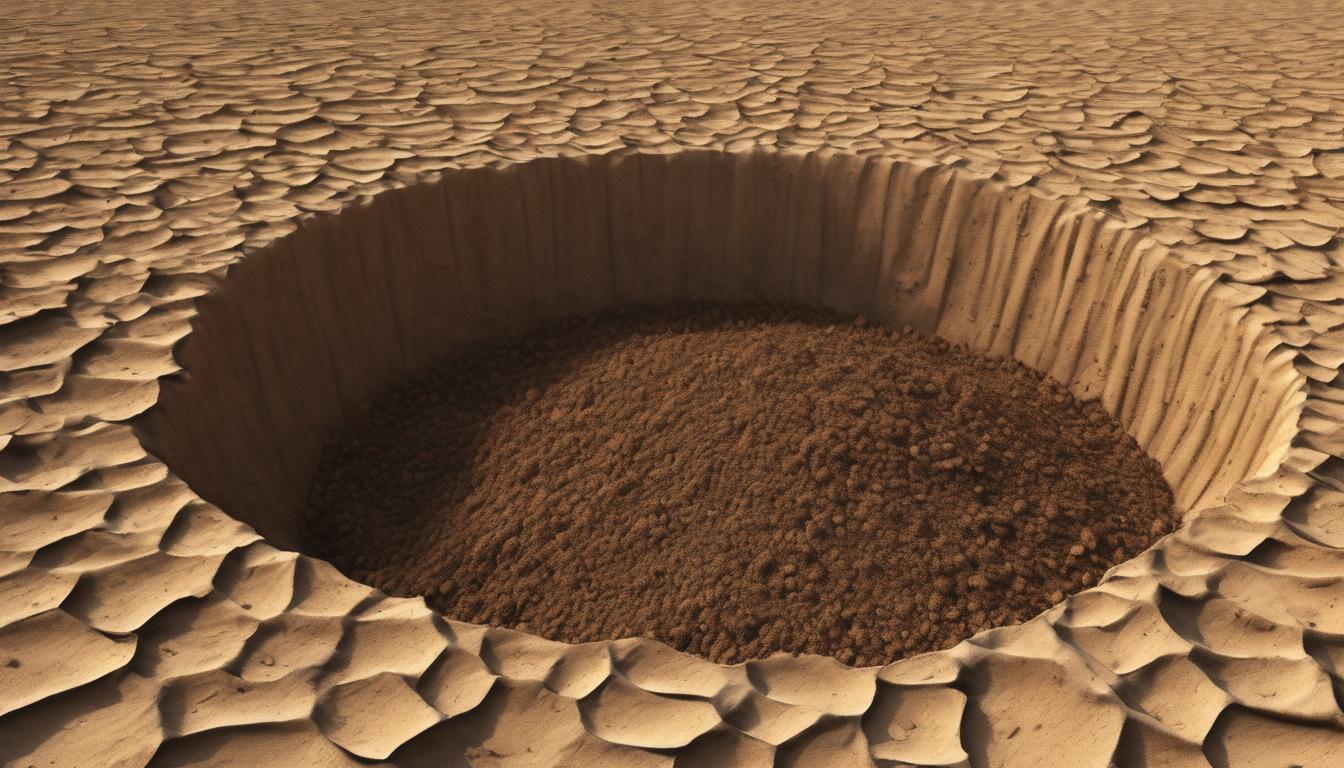

As Engr. Arnold M. Santiago, Head of Operations at Saniservice Dubai and known as “The Termite Doctor,” I have spent over a decade analysing Soil Types, Tunnelling Depths and Termiticide Barrier Performance in UAE Soils. In Dubai’s harsh desert climate, subterranean termites like Psammotermes hybostoma exploit sandy profiles to invade luxury villas in Emirates Hills or Palm Jumeirah properties. Understanding these factors prevents costly damage, often exceeding AED 50,000 per infestation.[1][2]
UAE soils, dominated by Entisols and Aridisols, create unique challenges for termiticide barriers. Shallow tunnelling in loose sands bypasses treatments, demanding precise application. This article dives deep into Soil Types, Tunnelling Depths and Termiticide Barrier Performance in UAE Soils, drawing from my field experience and regional studies.[1][2][3]
Understanding Soil Types, Tunnelling Depths and Termiticide Barrier Performance in UAE Soils
Soil types dictate termite movement in the UAE’s arid environment. Dubai’s coastal sands and Abu Dhabi’s inland dunes host Soil Types, Tunnelling Depths and Termiticide Barrier Performance in UAE Soils dynamics that differ from temperate regions. Termites tunnel shallowly, often 10-30 cm deep, evading standard barriers.[1][2]
Termiticide barriers rely on soil retention for efficacy. In UAE’s coarse sands, liquids drain rapidly, reducing contact time with foraging termites. My inspections in Sharjah villas reveal barriers failing due to overlooked soil variability.[3]
Why UAE Conditions Amplify Risks
High temperatures above 45°C and low organic matter limit microbial degradation but accelerate evaporation. This impacts Soil Types, Tunnelling Depths and Termiticide Barrier Performance in UAE Soils, requiring non-repellent actives like fipronil.[1]
UAE Soil Classification Systems
UAE soils classify under USDA systems as Aridisols and Entisols, subdivided into 6 suborders and 10 great groups like Torripsamments and Haplogypsids.[2] These form the foundation for analysing Soil Types, Tunnelling Depths and Termiticide Barrier Performance in UAE Soils.
Abu Dhabi dominates with sandy Entisols covering 85% of emirate land. Principal Component Analysis shows metals like Mn and Cr influencing texture, affecting termiticide adsorption.[1]
Key Classification Parameters
- Texture: Predominantly sand (80-95%), low clay.
- pH: Alkaline, 7.5-8.5, neutralising some termiticides.
- Permeability: High, causing rapid drainage.[4]
Dominant Soil Types in UAE for Termite Activity
Sandy desert soils (Torripsamments) prevail in Dubai and Sharjah, ideal for Psammotermes colonies. These loose profiles enable easy tunnelling, challenging Soil Types, Tunnelling Depths and Termiticide Barrier Performance in UAE Soils.[2][3]
Calcigypsids in Al Ain feature calcium carbonate layers, hardening surfaces but hiding nests below 20 cm. Gypsiferous soils in Liwa retain moisture longer, boosting termite survival.[1]
Sabkhas near Fujairah coasts, saline and compacted, limit deep tunnels but channel termites along edges into buildings.[2]
Termite Tunnelling Depths in UAE Sandy Soils
In UAE sands, subterranean termites tunnel at 5-50 cm depths, shallower than 1-2 m in clays elsewhere. This directly impacts Soil Types, Tunnelling Depths and Termiticide Barrier Performance in UAE Soils.[3]
Moisture from irrigation in Emirates Hills villas draws termites via shallow mud tubes along foundations. My thermal imaging detects activity at 15-25 cm in post-tension slabs.[1][2]
Factors Influencing Depth
- Irrigation: Creates moist zones at 10-30 cm.
- Temperature: Surface heat pushes foraging deeper slightly at night.
- Soil Density: Loose aeolian sands allow 40 cm max in dunes.
Termiticide Barrier Performance Factors
Barriers like imidaclopril or fipronil perform poorly in permeable UAE sands due to leaching. Soil Types, Tunnelling Depths and Termiticide Barrier Performance in UAE Soils demands higher volumes, 20-30 L/m².[1]
Alkaline pH degrades pyrethroids faster; non-repellents persist better. Gypsiferous soils bind actives, enhancing longevity but risking phytotoxicity.[4]
Adsorption and Leaching Dynamics
Sand’s low cation exchange reduces retention; studies show 50% loss in 48 hours post-rain.[1] Dubai Municipality mandates verified barriers compliant with local soils.
Challenges in Implementing Barriers in UAE Soils
Coarse textures cause uneven distribution, breaching at expansion joints in Dubai towers. Soil Types, Tunnelling Depths and Termiticide Barrier Performance in UAE Soils faces irrigation diluting treatments.[2][3]
Reclaimed land in Palm Jumeirah varies from dredge fill to native sands, complicating uniformity. Failed barriers cost developers AED 100,000+ in retreats.[1]
Strategies for Optimising Barrier Performance
Use soil amendments like bentonite to enhance retention in sands. For Soil Types, Tunnelling Depths and Termiticide Barrier Performance in UAE Soils, apply in trenches 50 cm deep, matching max tunnelling.[3]
Combine with stainless steel mesh barriers, proven in Australian deserts adaptable to UAE. Monitor with stations every 10 m around villas.[2]
Application Best Practices
- Pre-wet soil to improve uptake.
- Use foaming agents for voids under slabs.
- Reapply every 5 years per Dubai regs.
Case Studies from Dubai and Abu Dhabi
In a Dubai Marina villa on Torripsamments, shallow 20 cm tunnels bypassed a standard barrier. Adjusting to 40 cm depth with fipronil resolved it, saving AED 75,000.[1][3]
Abu Dhabi Calcigypsid site showed superior imidacloprid hold; no activity after 3 years. These highlight Soil Types, Tunnelling Depths and Termiticide Barrier Performance in UAE Soils nuances.[2]
expert-tips-for-uae-property-owners”>Expert Tips for UAE Property Owners
Conduct soil borings before barriers; classify per Emirates Soil Museum maps.[2] Map irrigation to avoid moist tunnels breaching Soil Types, Tunnelling Depths and Termiticide Barrier Performance in UAE Soils.
- Inspect annually in high-risk zones like Ajman gardens.
- Integrate baits for colonies beyond barriers.
- Consult certified specialists like Saniservice for compliance.
Conclusion: Mastering Soil Types, Tunnelling Depths and Termiticide Barrier Performance in UAE Soils
Success in UAE termite control hinges on tailoring to Soil Types, Tunnelling Depths and Termiticide Barrier Performance in UAE Soils. From Dubai’s sands to Ras Al Khaimah alluvium, precise strategies protect assets. As The Termite Doctor, I urge pre-construction audits to avoid failures.[1][2][3]
Implement these insights for resilient barriers. Contact experts for site-specific advice in the UAE’s dynamic soils.
