

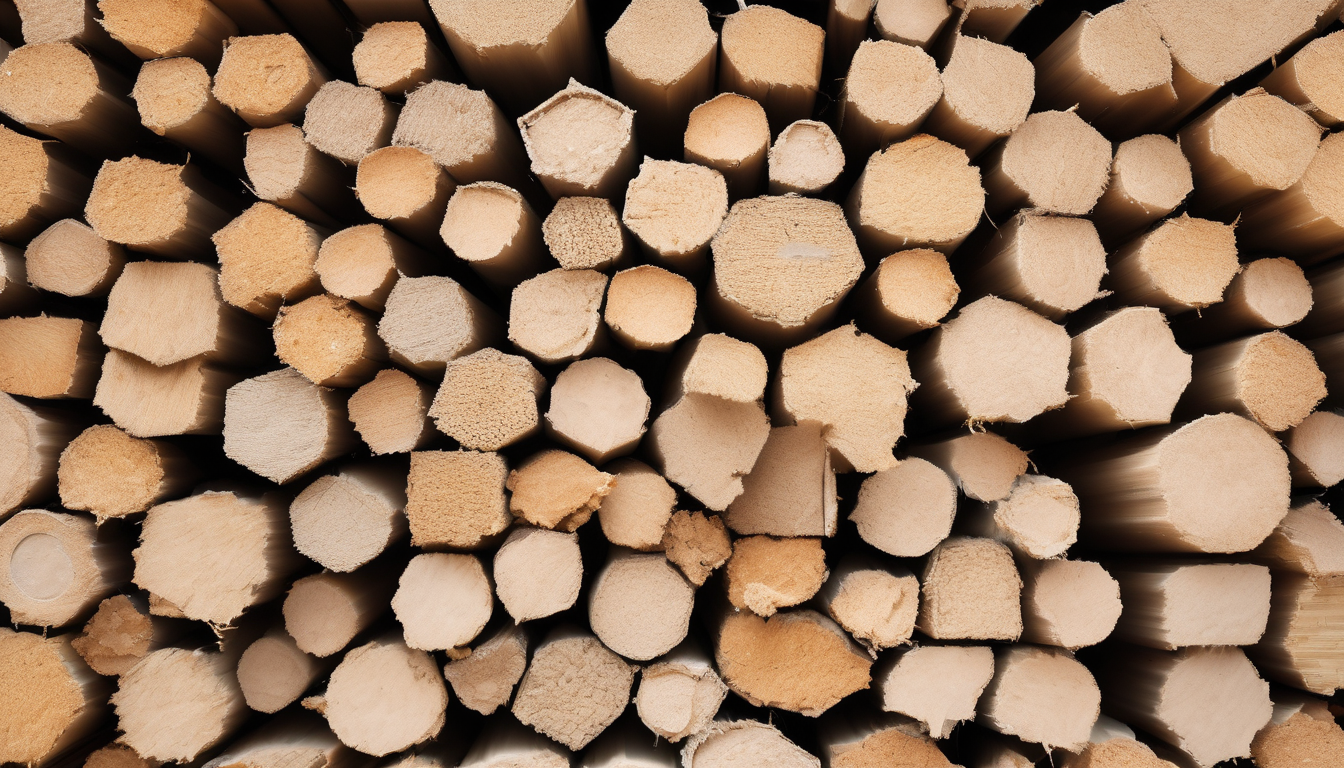

With Dubai’s rapid development and unique desert climate, selecting the right building materials is crucial for ensuring long-term structural integrity. The city’s high temperatures and humidity levels create an ideal breeding ground for termites, making it essential to incorporate termite-resistant materials from the very beginning of any construction project. This guide dives into the critical aspect of Choosing Termite-Resistant Building Materials for Dubai’s Climate, offering you key insights and practical advice to make informed decisions for your next project.
Understanding Termite-Resistant Materials
Termite-resistant materials are specifically designed to prevent termites from destroying significant structural components of your building. These materials can range from naturally resistant woods to synthetic products engineered to repel termites. Understanding the available materials and how they perform in Dubai’s climate is your first step towards a secure structure.
Key Materials for Termite Resistance
1. Treated Wood
Treated woods are infused with chemicals that repel termites. However, the effectiveness can vary based on the chemicals used and how deeply they penetrate the wood. It’s crucial to choose wood treated specifically for Dubai’s environments, considering factors like high temperatures and proximity to water sources.
2. Concrete
Concrete is inherently resistant to termites, making it an excellent choice for foundations, walls, and other critical structural elements. Using concrete can significantly reduce the risk of termite infiltration in critical areas of your construction.
3. Metal Framing
Metal framing offers an alternative to wooden structural components, eliminating the food source for termites. Steel frames, in particular, are gaining popularity in Dubai for their durability and termite resistance.
4. Composite Materials
Composite decking and other synthetic construction materials are designed to mimic wood but are made from a blend of wood fibers and plastic. These materials are less attractive to termites and can withstand Dubai’s harsh climate conditions better than untreated wood.
<h2 id="importance-of-soil-pre-treatment”>Importance of Soil Pre-Treatment
Before construction begins, it’s essential to treat the soil with termiticides to create a barrier against termites. This pre-treatment is a critical step in Dubai, where the soil conditions can otherwise facilitate termite infestations.
Designing Termite-Proof Landscapes
Landscaping can unintentionally provide termites with access to your building. Carefully designing your outdoor spaces to avoid wood-to-soil contact and ensuring proper drainage can greatly reduce termite risks.
Integrating Prevention into Architectural Plans
Incorporating termite-resistant materials and strategies into the architectural design from the outset is essential. Collaboration between architects, engineers, and termite specialists ensures that termite prevention measures are seamlessly integrated into the overall design.
Monitoring and Maintenance
Even after construction, regular monitoring and maintenance are necessary to ensure that termite prevention measures remain effective. Installing termite monitoring stations and scheduling regular inspections can help catch any potential infestations early.
In conclusion, choosing termite-resistant building materials and incorporating them into your construction projects in Dubai’s climate is not just advisable; it’s essential for the long-term safety and integrity of the structure. This guide has walked you through understanding the materials available, their application, and additional preventative measures to safeguard your project against termites. By taking these steps, you can mitigate the risk of termite damage and ensure the durability of your building in Dubai’s challenging environment.
