

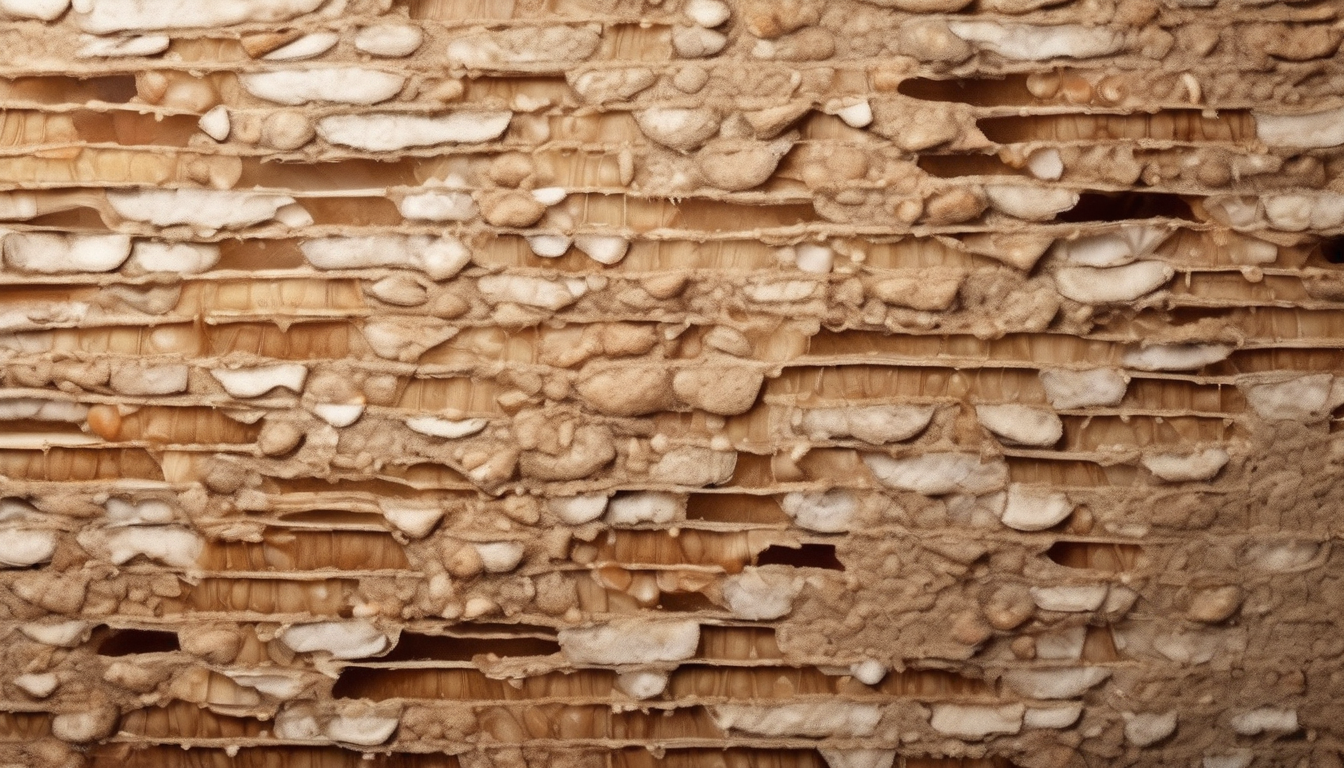

Understanding The Role of Moisture Management in Preventing Termite Infestations
The role of moisture management is pivotal in preventing termite infestations. Termites thrive in environments that provide abundant moisture, making it essential to control water sources both inside and outside your property. In Dubai’s hot and arid climate, managing moisture effectively can significantly reduce the risk of termite activity. This relates directly to The Role Of Moisture Management In Preventing Termite.
Termitology 101
Termites are highly sensitive to moisture levels. They require a consistent supply of water to maintain their colonies and forage for food. Understanding this behavior is crucial in designing effective prevention strategies. In Dubai, where air conditioning systems often contribute to high indoor humidity, it’s important to address both internal and external moisture sources.
The Role Of Moisture Management In Preventing Termite – Identifying Moisture Sources Inside the Property
Inside your property, several factors can lead to increased moisture levels, creating an environment conducive for termite activity. Key areas include:
- Leaky plumbing and water pipes
- Damaged or improperly sealed windows and doors
- Irrigation systems that release excess water around the foundation
These sources can be identified through systematic moisture mapping using non-invasive tools like thermal imaging cameras.
The Role Of Moisture Management In Preventing Termite – Identifying Moisture Sources Outside the Property
Outside your property, moisture management is equally critical. Common culprits include:
- Garden irrigation and sprinkler systems
- Poorly designed drainage systems
- Leaky foundations and service penetrations
Inspecting these areas regularly can help prevent termite entry points.
Termite Pathways Through Moisture
Termites follow moisture gradients to find their way into structures. For example, hidden water leaks in walls or floorboards can create pathways that termites exploit. By addressing these pathways, you can significantly reduce termite access.
Case Study: Villa with Hidden Leaks
A villa in Mirdif had a recurring termite infestation despite regular treatments. Upon inspection, it was discovered that a leaky pipe behind the wall had created a consistent moisture source. Once the pipe was fixed and the affected area treated, termite activity ceased.
Strategies for Moisture Management
Effective moisture management involves multiple strategies:
- Regular inspections to identify hidden water sources
- Proper sealing of gaps around plumbing and utility lines
- Drainage system improvements to prevent pooling near the foundation
Implementing these strategies can create a hostile environment for termites, reducing their chances of infesting your property.
Termite Inspection and Treatment
Regular inspections are vital in identifying moisture-related issues early. A detailed inspection routine should include:
- Thermal imaging to detect hidden moisture
- Mud tube surveys to identify termite activity
- Moisture mapping using probes or sensors
When treating, focus on eliminating the moisture source rather than just applying chemicals. This approach ensures a more sustainable and effective solution.
Expert Tips for Moisture Management
1. Regular Inspections: Schedule annual inspections to catch moisture issues early.
2. Seal Gaps: Seal gaps around pipes, electrical outlets, and service penetrations to prevent entry points.
3. Drainage Improvements: Improve drainage systems to reduce pooling near the foundation.
4. Use Thermal Imaging: Invest in thermal imaging cameras for non-invasive moisture detection.
5. Proper Irrigation Scheduling: Adjust irrigation schedules based on weather patterns to avoid overwatering.
FAQ
Q: How often should I inspect my property for termite damage?
A: Inspect your property at least once a year, focusing on moisture sources and pathways.
Q: Can I use do-it-yourself methods to manage moisture?
A: DIY methods can help, but professional inspections ensure comprehensive coverage. Consider hiring experts for critical areas.
Q: How effective is thermal imaging in detecting termite infestations?
A: Thermal imaging is highly effective in identifying hidden moisture and potential termite activity. It complements traditional inspection methods.
Conclusion
Moisture management is a critical aspect of termite prevention. By addressing both internal and external sources, you can create an environment that repels termites. Regular inspections and targeted treatments are essential in maintaining the health of your property. Understanding The Role Of Moisture Management In Preventing Termite is key to success in this area.
