

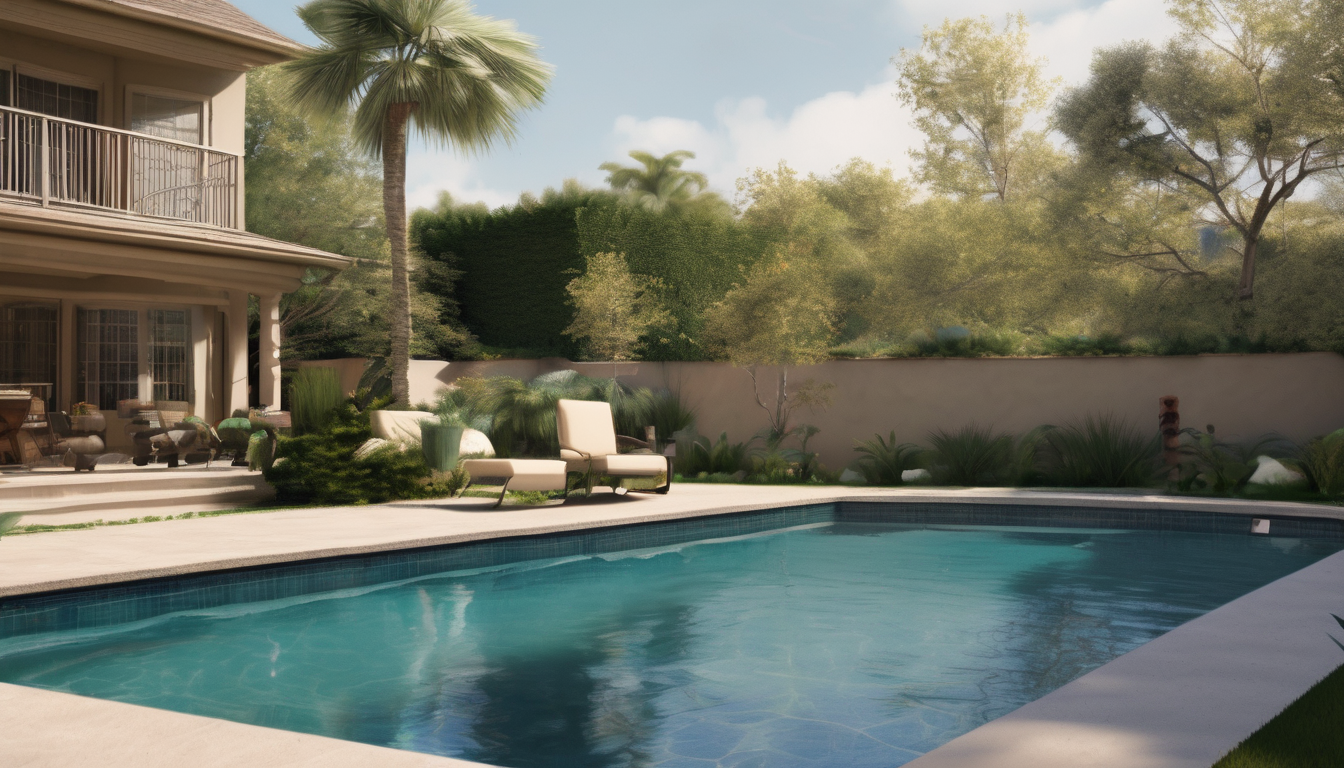

Introduction: Understanding Pool Surrounding Landscaping That Attracts Termites
In Dubai’s warm climate, swimming pools become inviting spaces for both people and pests. One common issue many property owners face is the attraction of termites to their pool areas. This article delves into why certain pool surrounding landscaping that attracts termites can lead to infestations around your pool and provides comprehensive guidance on preventing such issues.
Table of Contents
- Termite Movement and Landscape Practices Around Pools
- Water Source Analysis: The Critical Role of Moisture in Termite Attraction
- Mud Tube Formations: Key Indicators of Termite Activity Around Pools
- Preventing Termite Entry Through Pool Deck Expansion Joints
- Irrigation Scheduling Impacts on Termite Activity Around Pools
- Pool Side Fencing and Screening: A Barrier Against Termites
- Expert Tips for Landscaping and Termite Prevention Around Pools
- FAQ Section
- Conclusion: Key Takeaways on Preventing Termite Infestations in Pool Areas
Termite Movement and Landscape Practices Around Pools
Termite colonies thrive near water sources, making understanding pool surrounding landscaping that attracts termites crucial for preventing infestations. Subterranean termites in particular are attracted to moist environments, often entering through pathways that connect the soil beneath your pool deck with surrounding plants or landscape features.
Why Termite Movement Occurs
Termite colonies need moisture and suitable pathways to move from their nests into a property. In pool areas, common pathways include:
- Mud tubes constructed near the pool’s edge or deck
- Water seeping through cracks in concrete or around pipes leading to the pool
- Irrigation systems that provide consistent moisture sources for termites
- Dense vegetation creating moisture-retaining environments
Water Source Analysis: The Critical Role of Moisture in Termite Attraction
Moist environments, particularly those created by poorly designed irrigation systems or water leaks, are key factors in pool surrounding landscaping that attracts termites. Analyzing your pool area’s moisture levels is essential for understanding potential termite entry points.
Critical Moisture Sources:
- Pool splash and overflow
- Irrigation system leaks
- Poor drainage around pool perimeter
- Condensation on pool equipment
- Standing water in landscaped areas
Mud Tube Formations: Key Indicators of Termite Activity Around Pools
Mud tubes are a clear sign that termites have established themselves in the vicinity of your landscaping that attracts termites. These tunnels serve as pathways from the soil to the structure, allowing termites to move safely without drying out.
Identifying Mud Tubes:
- Look along pool deck edges
- Check near landscape features
- Inspect around irrigation lines
- Examine fence posts and structures
- Monitor areas with consistent moisture
Preventing Termite Entry Through Pool Deck Expansion Joints
Expansion joints in pool decks can become entry points for termites, especially when combined with landscaping that attracts termites. Proper sealing and regular inspections are essential to prevent these pests from entering your home through such weak spots.
Expansion Joint Sealing and Inspection
- Seal expansion joints with appropriate materials
- Ensure they remain watertight
- Regularly inspect these areas for signs of termite activity
- Check for entry points that may have developed over time
- Repair any damage promptly
Irrigation Scheduling Impacts on Termite Activity Around Pools
Irrigation practices significantly affect termite behavior and colony growth in pool surrounding landscaping that attracts termites. Overwatering can create ideal conditions for termites, while careful irrigation scheduling can reduce their activity.
Optimal Water Scheduling Strategies
- Implement smart irrigation systems that water only when needed
- Use moisture sensors to ensure precise watering
- Avoid overwatering areas near the pool where termites congregate
- Schedule watering for early morning to reduce standing moisture
- Monitor and adjust based on seasonal changes
This relates directly to Pool Surrounding Landscaping That Attracts Termites.
Pool Side Fencing and Screening: A Barrier Against Termites
Physical barriers such as fencing and screening can prevent termites from accessing your property through pool area landscaping that attracts termites. Consider installing these measures to add an extra layer of protection against termite entry.
Fencing and Screening Installation
- Fence off areas where termites are likely to enter
- Target base of trees and near shrubbery
- Use fine mesh screens on windows and doors
- Install barriers between pool area and house
- Maintain clear zones around structures
Expert Tips for Landscaping and Termite Prevention Around Pools
Here are practical tips to help you create a termite-resistant landscape and avoid pool surrounding landscaping that attracts termites:
Vegetation Management
- Keep vegetation trimmed and away from the pool area
- Maintain minimum 12-inch clearance from structures
- Remove dead plant material promptly
- Choose termite-resistant plants
Mulch and Ground Cover
- Use gravel or crushed stone as mulch, rather than organic materials like bark
- Avoid wood-based mulches near pool areas
- Create mineral barriers around pool perimeter
- Keep mulch depth to minimum 2-3 inches
Regular Maintenance
- Regularly inspect for termite mud tubes and other signs of activity
- Seal any cracks in concrete surfaces around the pool deck
- Maintain proper drainage to avoid water pooling near the pool area
- Conduct quarterly inspections during peak season
Professional Services
- Schedule annual professional termite inspections
- Address any issues immediately
- Keep documentation of all treatments
- Follow expert recommendations
FAQ Section
Q: Can termite mounds form near my pool? A: Yes, termites can construct their nests in areas close to pools, especially when there is pool surrounding landscaping that attracts termites. Regular inspections are crucial to detect any signs of activity early.
Q: Is there a specific season when I should be more concerned about termite infestations around the pool? A: Termite activity can occur year-round, but warmer months are generally more active due to increased moisture and favorable temperatures. Regular inspections are recommended throughout the year.
Q: How do I know if my pool area is at high risk for termite infestations? A: High-risk areas include poorly maintained irrigation systems, frequent water leaks around the pool, and landscaping that attracts termites such as vegetation that extends too close to the pool deck. Regular inspections can help identify these risks.
Q: What types of plants should I avoid near my pool? A: Avoid plants that require frequent watering, have extensive root systems, or produce large amounts of organic debris. These contribute to landscaping that attracts termites.
Q: How far should landscaping be from my pool deck? A: Maintain at least 12-18 inches of clearance between dense vegetation and pool structures to reduce moisture retention and termite access.
Conclusion: Key Takeaways on Preventing Termite Infestations in Pool Areas
By understanding how termite movement occurs and taking proactive steps to manage water sources, prevent entry points, and maintain a termite-resistant landscape, you can significantly reduce the risk of pool surrounding landscaping that attracts termites.
Key Prevention Strategies:
- Control moisture levels around pool areas
- Maintain proper irrigation scheduling
- Use termite-resistant materials and plants
- Create physical barriers where needed
- Conduct regular inspections
- Seal all potential entry points
- Address issues promptly
- Seek professional guidance when needed
Regular inspections and professional advice are key components of effective termite prevention strategies. By implementing these recommendations, you can enjoy your pool area without worrying about termite infestations caused by improper landscaping that attracts termites.
