

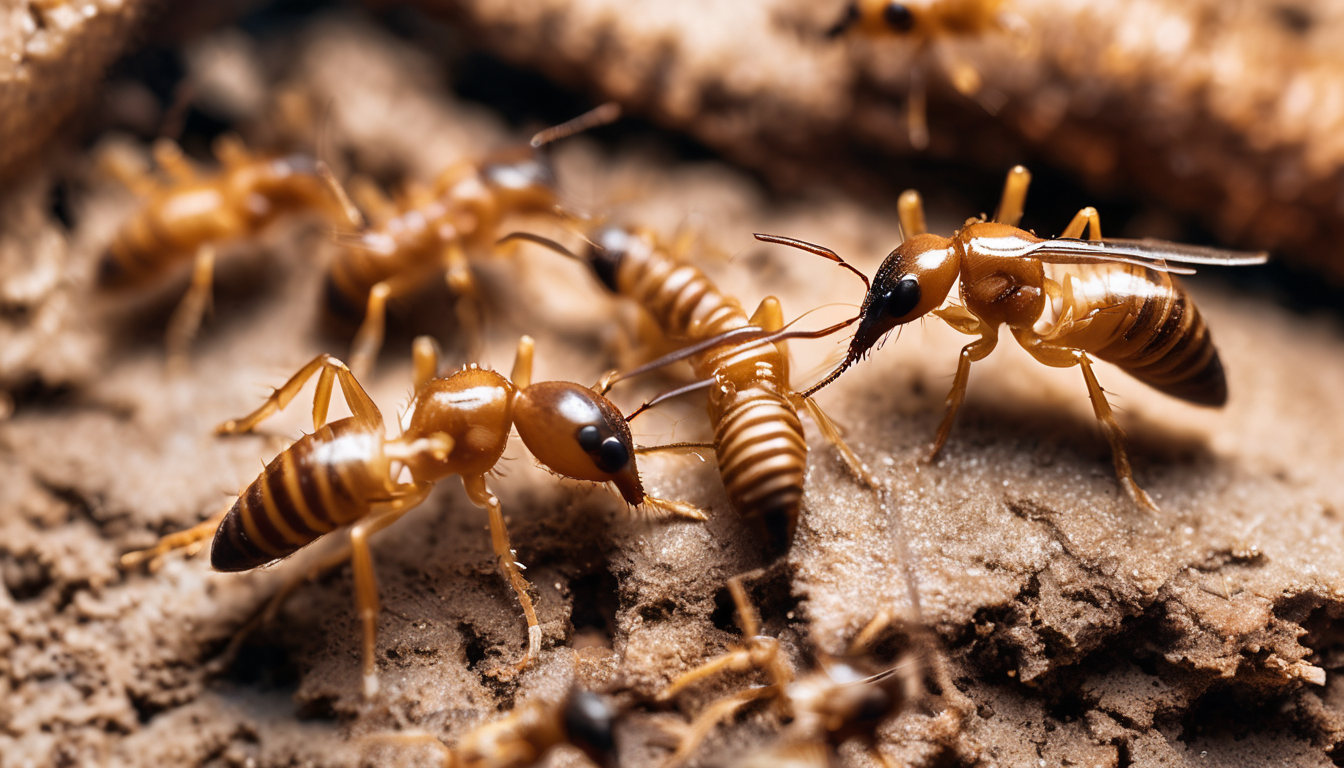

Termites are notorious for silently and severely damaging buildings and infrastructure, and understanding How Termites Use moisture to invade and damage structures is critical in managing this risk. Moisture is not just an incidental factor; it is essential for termite survival, colony establishment, and foraging. This article provides a detailed comparative analysis of the role moisture plays in termite invasion and destruction, describing the ways termites exploit moisture sources, and outlines practical inspection and prevention strategies tailored to these behaviors.
Focusing on subterranean termites, the primary structural pest worldwide, this comprehensive examination will help property owners, pest management professionals, and builders identify and mitigate termite threats effectively. By comparing different moisture-related invasion pathways and structural vulnerabilities, we aim to highlight which represent the most significant risks and offer recommendations for addressing them.
Understanding How Termites Use Moisture to Invade and Damage Structures
The core of subterranean termite ecology involves moisture. Subterranean termites require a moist environment to survive because their bodies are prone to desiccation. Moisture not only sustains the colony but also facilitates termites’ ability to digest cellulose from wood. Their tunnels, mud tubes, and galleries maintain high humidity levels, which protect them against drying out and predators while allowing continuous feeding[1][2].
How termites use moisture to invade and damage structures revolves around locating and exploiting moisture sources, which often originate from natural soil moisture, construction deficiencies, or landscaping practices. Once a moisture-rich entry point is identified, termites construct shelter tubes or mud tunnels that connect their subterranean nests to wood components above ground, enabling them to consume wooden structures and cause damage unseen until it is severe[6][8].
Moisture Dependency of Subterranean Termites
Subterranean termites depend extensively on moisture for vital physiological processes. The main dependency lies in their need for a humid microenvironment, which allows their thin exoskeletons to avoid dehydration[5]. They inhabit soil or other moist areas to maintain this environment.
- Soil as Primary Moisture Source: Soil provides consistent moisture and building material for shelter tubes. It also serves as a thermal buffer and protects termites from predators and environmental extremes[1][7].
- Moist Wood and Decay: Termites favor slightly decayed or moisture-affected wood, which is easier to penetrate and digest due to softened fibers[3]. The moisture content in wood significantly influences feeding activity; termite foraging is most intense in wood moisture ranges from 25% to 50%[3].
- Ability to Transport Moisture: Some species can carry moisture in their labial glands to drier food sites, extending their foraging range above ground under certain conditions[2][3].
This dependence explains why dry, well-ventilated structures are far less susceptible to termite attack compared to those with moisture problems.
Comparison of Moisture Sources That Facilitate Termite Infestation
Moisture sources around and inside structures vary in origin and risk level. Below is a comparative analysis of common moisture-related conditions that termites exploit:
| Moisture Source | How Termites Use It | Pros (For Termites) | Cons (For Property Owners) |
|---|---|---|---|
| Soil Moisture Around Foundation | Primary habitat and source; base for colony nests and entry tunnels. | Stable moisture; continuous access; provides building material for tubes. | Hard to eliminate; often hidden; humidity promotes infestation. |
| Leaking Plumbing and Pipes | Provide localized moisture points, attracting termites above ground. | Allows colonies to establish without direct soil contact; bridges barrier zones. | Difficult to detect; leads to hidden structural damage; expensive repairs. |
| Faulty Gutters and Roof Leaks | Cause water to pool near foundations or inside walls, creating moisture hotspots. | Enables isolated termite colonies above ground; moisture for shelter tubes. | Damage wood framing and finish; increases risk of infestation in upper stories. |
| Poor Drainage and Landscape Irrigation | Overwatering and water pooling saturate soil near structures, increasing termite activity. | Expands foraging range; creates moist soil favorable for mud tubes. | Environmental design flaw; costly landscaping corrections; hard to maintain balance. |
| Condensation in Crawl Spaces/Basements | High humidity and trapped moisture attract and sustain termite colonies. | Hidden moisture source; supports year-round colony survival in colder climates. | Requires regular monitoring; often overlooked; facilitates prolonged infestation. |
The soil moisture around foundations remains the most critical source facilitating termite invasion due to its stability and abundance. However, plumbing leaks and poor drainage represent stealthy but high-risk vulnerabilities that often lead to devastating damage before detection[4][6].
Structural Vulnerabilities Related to Moisture and Termite Entry
Understanding how termites use moisture to invade and damage structures involves identifying structural factors that retain or channel moisture, offering pathways for termites:
- Hairline Cracks in Foundations: These cracks absorb or retain moisture and provide hidden access points for termites using soil moisture to bridge into the structure[1].
- Expansion Joints and Construction Gaps: Expansion joints prone to water infiltration serve as channels for termite shelter tubes connecting soil to wood[6][8].
- Service Penetrations: Plumbing and electrical lines passing through foundations or walls may leak moisture and form termite highways[7].
- Decorative Planters and Landscaping Against Walls: Soil in planters holds moisture and acts as a reservoir for termite colonies near building envelopes[4].
- Wood in Contact with Soil or Wet Materials: Treated or untreated wood touching moist soil or retaining excessive moisture becomes a direct food source and entry site[1][5].
Buildings with these vulnerabilities, especially combined with irrigation or poor drainage, are significantly more prone to termite infestation and damage. Repairing moisture intrusion and structural sealing are fundamental preventative measures.
Effectiveness of Inspection Techniques Focused on Moisture Invasion Signs
Early detection of termite infestation based on moisture clues can greatly limit damage and treatment costs. Key inspection techniques include:
- Moisture Mapping: Systematic assessment using moisture meters on walls, floors, and structural wood to detect elevated moisture levels that may attract termites[3][7].
- Visual Inspection for Shelter Tubes: Identifying mud tubes connecting soil to wood elements is a direct sign of termite moisture pathway use[1][8].
- Check for Water Damage and Leaks: Inspecting plumbing, gutters, roofing, and irrigation for leaks that could become invasion points[4].
- Use of Thermal and Acoustic Sensors: Advanced tools that detect termite activity and excessive moisture hidden behind walls and under floors[9].
- Regular Crawl Space and Basement Checks: Concentrating on areas with poor ventilation and high humidity for signs of termite presence[4].
Among these, moisture mapping combined with shelter tube detection offers the highest predictive value because it directly targets the termite prerequisites related to moisture[2][6]. Inspections must be frequent in climates or properties with known moisture problems.
Strategies for Preventing Termite Pathways Linked to Moisture in Landscaping and Irrigation
Preventive measures to block termite moisture pathways center on engineering landscape and irrigation thoughtfully to reduce persistent soil moisture near structures:
- Proper Irrigation Scheduling: Avoiding overwatering near foundations and using drip irrigation rather than sprinklers to minimize soil saturation[4].
- Maintaining Soil Grade and Drainage: Landscaping should slope away from the building to prevent water pooling that attracts termites[4][6].
- Physical Barriers and Soil Treatments: Using termite-resistant materials or termiticides in soil zones prone to moisture accumulation creates chemical and physical hurdles[7].
- Sealing Foundation Cracks and Penetrations: Keeping moisture and termites out by filling gaps and waterproofing foundation elements[6].
- Reducing Wood-to-Soil Contact: Ensuring no direct contact of wooden structures or mulch with soil reduces feeding and entry points[1][5].
While chemical soil termiticides provide effective control, integrating moisture management (irrigation, drainage) offers a long-term sustainable solution by removing the primary resource termites require[10].
Verdict and Recommendations
How termites use moisture to invade and damage structures is a well-supported ecological reality, with moisture availability being the critical factor in their survival, foraging, and colony establishment. Among moisture sources, soil moisture near building foundations remains the primary facilitator of termite entry; however, hidden moisture sources like plumbing leaks and poor drainage systems can be equally dangerous.
Early, moisture-targeted inspections using moisture mapping and shelter tube detection provide powerful tools for timely identification of infestations. In terms of prevention, addressing landscaping, irrigation, and structural vulnerabilities related to moisture consistently reduces termite risks.
| Option | Pros for Termite Control | Cons or Limitations |
|---|---|---|
| Soil Moisture Control and Drainage Improvement | Long-term reduction of termite habitat; sustainable; non-chemical | Requires landscape adjustment; initial cost; maintenance needed |
| Plumbing Leak Repairs | Eliminates unexpected internal moisture; targets hidden habitats | May require costly plumbing work; detection can be difficult |
| Chemical Soil Barriers | Immediate termite mortality; effective at blocking entry | Potential environmental concerns; periodic retreatment required |
| Physical Barriers and Construction Sealing | Blocks termite pathways; no chemicals needed | Can be compromised by damage; requires skilled installation |
Recommended Approach: A combined strategy integrating moisture management (landscape and plumbing), regular moisture-focused inspections, and physical or chemical barriers provides the most powerful defense against termite invasion and damage. Moisture is the vulnerability termites exploit, so eliminating excess moisture is the foundational step that all control programs must emphasize.
Expert Tips
- Schedule biannual moisture-focused termite inspections, especially in irrigated or humid areas.
- Regularly maintain gutters, plumbing, and irrigation systems to prevent leaks and pooling.
- Ensure landscaping slopes away from foundations and avoid using soil-retaining planters against walls.
- Seal foundation cracks and maintain physical barriers to stop termite pathways.
- Consider soil treatment with termiticides after habitat modifications for faster colony reduction.
Understanding how termites use moisture to invade and damage structures enables targeted, effective pest management that preserves property value and safety for the long term.
