

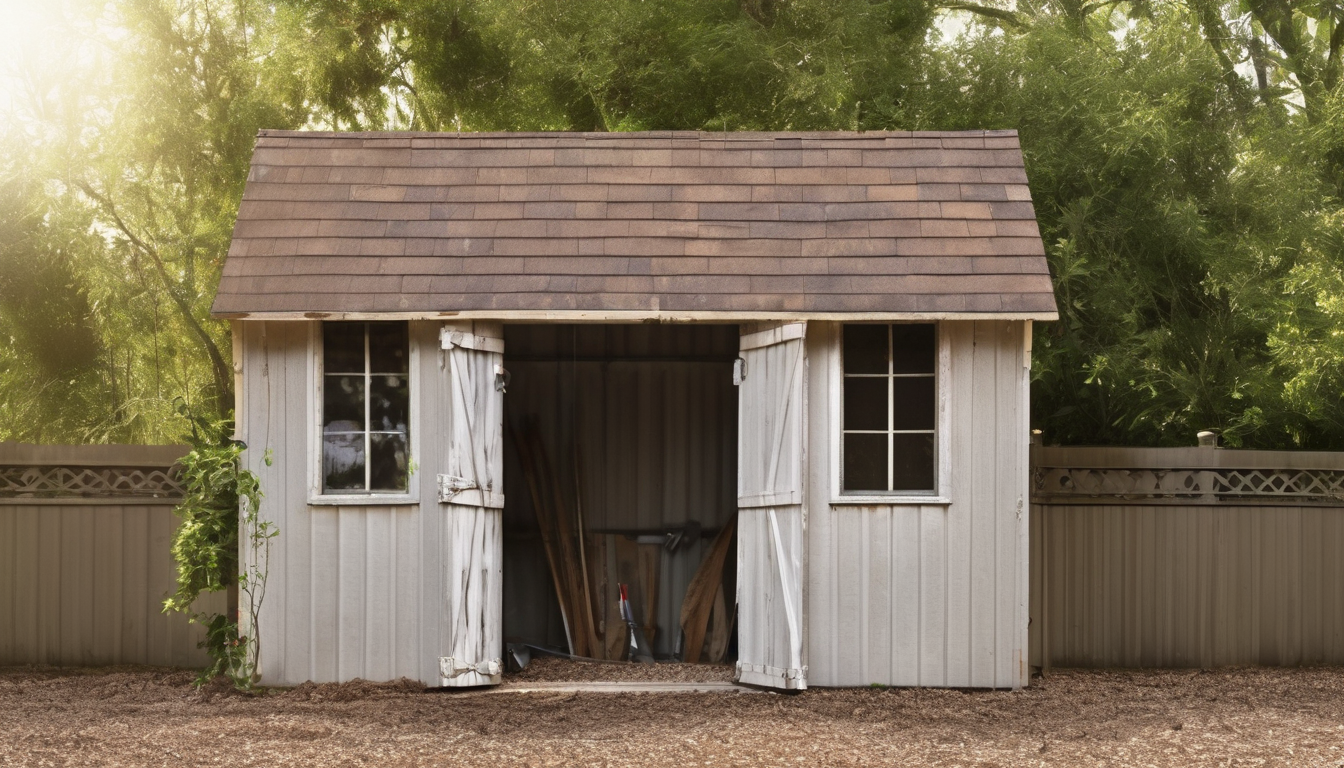

Signs of Termite damage in garden sheds and structures refer to the visible and detectable indicators that subterranean termites have infested and compromised outdoor wooden buildings. In Dubai’s unique climate, where irrigation meets desert conditions, garden sheds become particularly vulnerable to termite activity. The combination of wooden construction, moisture from landscaping, and shelter from extreme heat creates ideal conditions for termite colonies to establish themselves undetected.
Understanding these signs of termite damage in garden sheds and structures is crucial for Dubai property owners. Early detection can prevent complete structural failure and save thousands of AED in repair costs. Unlike indoor infestations, garden shed termite damage often progresses further before discovery, making regular inspection essential for preservation.
This comprehensive guide examines the specific signs of termite damage in garden sheds and structures relevant to UAE conditions. We’ll explore visual indicators, structural symptoms, and detection methods tailored to Dubai’s climate and common shed construction types. Property owners who recognise these early warnings can take proactive measures before damage becomes irreversible.
Signs Of Termite Damage In Garden Sheds And Structures – Visual Signs of Termite Damage in Shed Structures
The most immediate signs of termite damage in garden sheds and structures appear as visual changes to wood surfaces. In Dubai’s climate, where termites work year-round, these indicators can develop surprisingly quickly. Surface blistering or darkening of wood often indicates moisture accumulation from termite activity beneath. Wood that appears water-damaged without water exposure typically signals subterranean termites maintaining humidity for their colonies.
Small pinpoint holes in wood surfaces represent another clear visual indicator. These are exit holes where reproductive termites have emerged during swarming seasons, which in Dubai can occur multiple times annually due to consistent temperatures. Sawdust-like frass around these holes indicates drywood termite activity, though subterranean species are more common in UAE garden sheds.
Paint that appears cracked or bubbling without moisture exposure often conceals termite galleries beneath. When termites consume wood from inside, the surface layer may remain intact while weakening significantly. Tapping suspected areas with a screwdriver handle reveals hollow spaces where termites have consumed the structural wood while leaving a thin veneer intact.
Signs Of Termite Damage In Garden Sheds And Structures – Structural Symptoms of Termite Infestation
Structural symptoms represent advanced signs of termite damage in garden sheds and structures. Doors and windows that suddenly stick or fail to close properly indicate framing distortion from termite consumption. This occurs when termites compromise structural members, causing subtle shifting that affects alignment. In Dubai’s heat, homeowners might mistake this for wood expansion, but termite-related sticking persists throughout temperature changes.
Floorboards that feel spongy or soft underfoot demonstrate significant termite damage beneath surface layers. This symptom often appears near shed corners or areas closest to soil contact. In severe cases, flooring may actually sag or dip where supporting joists have been consumed. This level of damage typically requires extensive repair costing thousands of AED if not addressed promptly.
Wall surfaces that appear warped or distorted indicate termites have compromised structural studs behind cladding. This damage pattern often follows moisture trails from irrigation systems or condensate lines. In UAE garden sheds, the side facing landscaping or irrigation typically shows the most pronounced distortion due to increased moisture availability for termite colonies.
Signs Of Termite Damage In Garden Sheds And Structures – Termite Mud Tubes in Garden Sheds
Termite mud tubes represent the most definitive signs of termite damage in garden sheds and structures. These pencil-width tunnels made of soil, saliva, and excrement protect termites from Dubai’s dry air during movement between soil and wood. Mud tubes typically appear on foundation walls, rising from soil to wooden shed frames. Active tubes will contain worker termites moving between food sources and colony.
Different mud tube types indicate various termite activities. Exploratory tubes thin and fragile extend from soil seeking wood contact. Working tubes wider and more durable maintain constant traffic between colony and food source. Drop tubes descend from ceiling or roof areas indicate termites accessing wood from above. Each tube type reveals specific information about colony location and feeding patterns.
In UAE garden sheds, mud tubes often follow irrigation lines or condensate drainage paths. The constant moisture enables termites to build extensive tube networks across surprisingly long distances. Tubes hidden behind stored items or within wall cavities may grow substantially before discovery. Regular inspection of shed foundations and interior walls is essential for early mud tube detection.
Listening for Termite Activity
Auditory detection provides additional signs of termite damage in garden sheds and structures. Active termite colonies produce distinct sounds detectable with proper equipment. A stethoscope or acoustic detector placed against wood surfaces reveals feeding sounds – a soft clicking or rustling as termites consume cellulose. Soldier termites sometimes tap their heads against gallery walls when disturbed, creating alarm signals audible through wood.
In quiet conditions, faint rustling within walls may indicate significant termite presence. This sound becomes more pronounced at night when termite activity increases. Dubai’s cooler evening temperatures often drive higher termite movement as they escape daytime heat. Placing your ear against shed walls during early evening hours might reveal activity patterns.
Knocking on wood surfaces produces different sounds depending on termite damage. Solid wood returns a sharp, clear sound while termite-damaged wood produces a dull thud or hollow resonance. This simple knocking test helps identify compromised areas needing further investigation. Professional inspectors use acoustic amplification devices to detect even faint termite sounds within structures.
Moisture Mapping Techniques
Moisture mapping reveals hidden signs of termite damage in garden sheds and structures. Termites require constant moisture sources, making damp areas prime inspection targets. Moisture meters measure wood humidity levels, with readings above 20% indicating potential termite activity. In Dubai’s arid climate, elevated moisture levels in shed wood almost always signal either leaks or termite presence.
Thermal imaging cameras detect temperature variations caused by moisture accumulation from termite activity. Wet wood appears cooler than dry wood in thermal scans, revealing patterns invisible to the naked eye. These moisture trails often lead directly to active termite colonies. Professional inspectors use thermal imaging to map entire shed structures quickly and non-invasively.
Condensation patterns around shed interiors provide additional moisture clues. Areas where condensation consistently forms attract termites seeking water sources. In UAE garden sheds, north-facing walls and areas near air conditioning condensate drains often show higher moisture accumulation. These areas require particular attention during termite inspections for early signs of termite damage in garden sheds and structures.
UAE-Specific Termite Risks
Dubai’s unique environment creates specific signs of termite damage in garden sheds and structures. The combination of irrigated landscapes against desert conditions creates ideal termite habitats. Sheds located near garden irrigation systems show higher infestation rates due to constant soil moisture. Drip irrigation lines running near shed foundations provide perfect termite highways into structures.
Construction materials commonly used in UAE garden sheds influence damage patterns. Imported softwoods popular for shed construction offer little natural resistance to local termite species. The lack of natural termite predators in urban Dubai environments allows colonies to grow larger than in natural settings. These factors accelerate damage progression once termites establish presence.
Microclimates around garden sheds affect termite activity patterns. Sheds positioned against boundary walls create shaded, moist areas ideal for termite colony establishment. Those placed under tree canopy receive additional moisture from leaf litter decomposition. Understanding these UAE-specific risk factors helps predict where signs of termite damage in garden sheds and structures will most likely appear.
Professional Inspection Methods
Professional inspection enhances detection of subtle signs of termite damage in garden sheds and structures. Certified inspectors use specialized tools including borescopes for internal wood examination. These fiber-optic cameras inserted through small holes reveal gallery patterns and termite activity within structural members without destructive investigation.
Termite detection dogs represent another professional method for locating hidden colonies. These trained animals smell termite pheromones through wood and building materials, identifying active infestations with remarkable accuracy. Their ability to differentiate between active and previous termite activity makes them valuable for assessing current threat levels in garden structures.
Moisture mapping technology creates detailed humidity profiles of shed structures. Professional-grade moisture meters provide precise readings at various depths, identifying wet areas indicative of termite activity. Thermal imaging complements moisture data by visualizing temperature variations caused by termite-generated moisture within wood members. These professional methods detect signs of termite damage in garden sheds and structures before visible damage appears.
Expert Prevention Tips
Preventing signs of termite damage in garden sheds and structures begins with design considerations. Elevate shed foundations at least 15 centimetres above soil level to create physical barriers against termite entry. Use concrete foundations rather than direct wood-to-soil contact, which provides easy termite access. Ensure proper drainage around shed perimeters to prevent water accumulation that attracts termites.
Material selection significantly impacts termite resistance. Choose naturally termite-resistant woods like treated pine or cedar for shed construction. Alternatively, use composite materials that contain no cellulose attractive to termites. Apply borate treatments to wood members during construction for long-term protection against termite infestation. These preventive measures reduce the likelihood of ever seeing signs of termite damage in garden sheds and structures.
Maintenance practices greatly influence termite risk. Keep vegetation trimmed back from shed walls to improve air circulation and reduce moisture retention. Fix irrigation leaks promptly and ensure sprinklers don’t directly wet shed foundations. Store firewood and other cellulose materials away from shed structures to avoid creating termite attractants near vulnerable buildings.
Termite Damage FAQ
How quickly can termites damage a garden shed in Dubai?
Termites can cause significant damage within 6-12 months in Dubai’s climate. The combination of year-round activity and optimal temperatures allows colonies to consume wood rapidly. A mature colony containing millions of termites can compromise shed structural integrity within two years if undetected.
Can I treat termite damage myself?
DIY treatments often fail to address the entire colony, leading to recurring infestations. Professional treatment ensures complete elimination using appropriate termiticides for UAE soil conditions. The average professional treatment costs between AED 1,500-3,000 depending on shed size and infestation severity.
How often should I inspect my garden shed for termites?
Quarterly inspections are recommended for Dubai garden sheds, with more frequent checks during spring and autumn when termite activity often increases. Professional annual inspections provide comprehensive assessment using detection equipment beyond homeowner capabilities.
Are there termite-resistant shed materials suitable for UAE climate?
Yes, pressure-treated wood, composite materials, and metal sheds offer excellent termite resistance. Concrete sheds with metal framing provide complete protection but may not suit all aesthetic preferences. Treatment costs for wood sheds typically range from AED 800-2,000 depending on size and method.
Does insurance cover termite damage to garden sheds?
Most standard insurance policies in UAE exclude termite damage as preventable through proper maintenance. Specialized pest damage riders may be available but typically carry additional premiums. Prevention proves more cost-effective than insurance claims for signs of termite damage in garden sheds and structures.
Recognizing early signs of termite damage in garden sheds and structures prevents costly repairs and structural failures. Regular inspection, prompt treatment, and preventive measures protect your investment against Dubai’s persistent termite populations. Professional assessment remains the most reliable method for detecting and addressing termite issues before they compromise your garden structures.
