

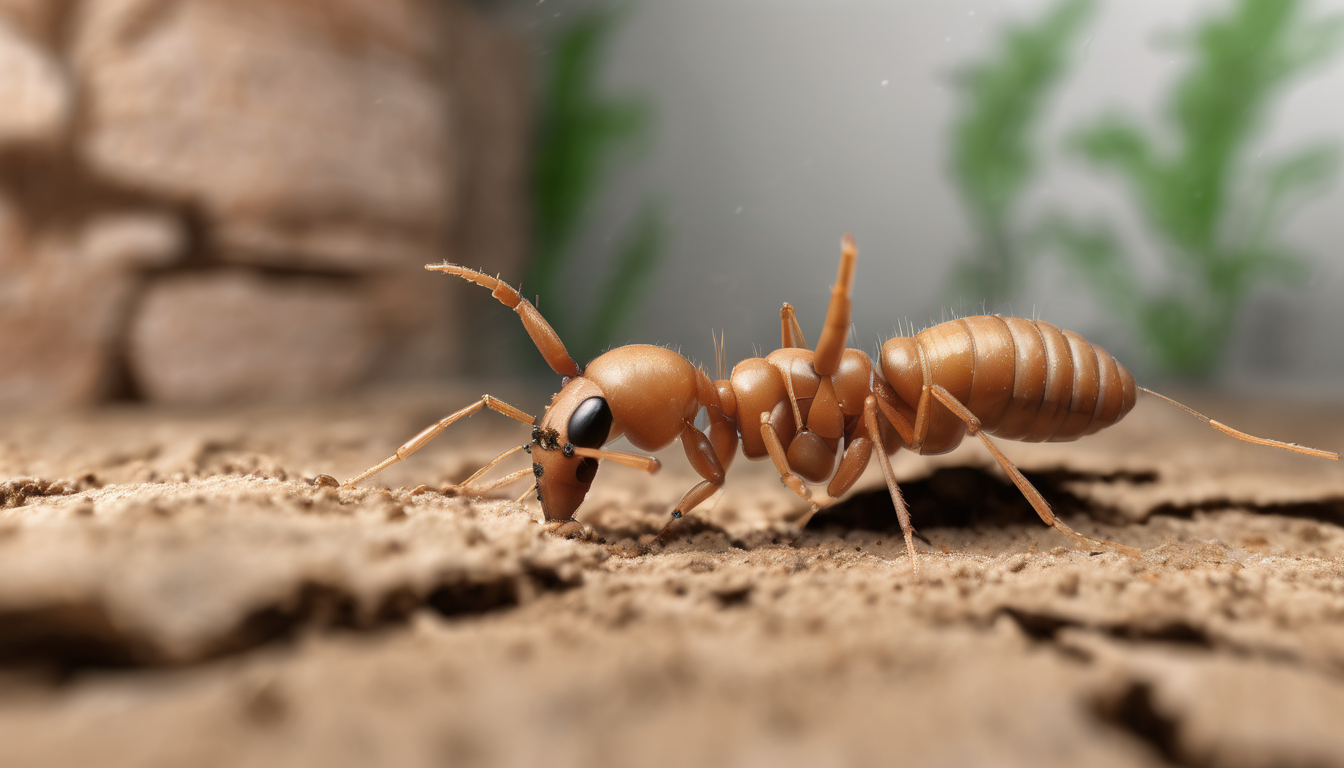

Understanding Long-Term Strategies for Managing Subterranean Termite is essential.
Subterranean termites are a significant threat to the structural integrity of buildings in Dubai and other regions with similar climates. This article provides expert insights into long-term management strategies, from understanding termite behavior to implementing practical solutions that homeowners can apply themselves.
Introduction
Subterranean termites pose a substantial risk to property owners in Dubai. These insects are known for their ability to weaken structures over time by consuming wood and other cellulose materials. Effective long-term management requires an understanding of termite biology, environmental factors, and strategic intervention techniques. This guide outlines practical steps homeowners can take to manage subterranean termites without calling an exterminator.
Table of Contents
Understanding Long-Term Strategies for Managing Subterranean Termite
Subterranean termites thrive in environments that provide them with moisture, food, and shelter. In Dubai, these conditions are often created by poor landscaping practices, inadequate drainage systems, and poorly sealed construction details. Effective long-term management involves understanding termite behavior, identifying key indicators of infestations, and implementing preventive measures.
Termite Biology and Environmental Factors Contributing to Infestations
Subterranean termites live in colonies that can contain millions of individuals. They require moisture for survival and typically build mud tubes to travel between their nest and the structure they are feeding on. Key environmental factors include:
– Moisture Sources: Irrigation systems, leaking plumbing, and poorly drained areas.
– Food Source: Wood and other cellulose materials in construction and landscaping.
Understanding these factors helps in identifying potential entry points and addressing them proactively.
Inspecting for Mud Tubes: Key Indicators of Subterranean Termite Activity
Termite mud tubes are a clear indicator of termite activity. These tubes provide protection as termites move from the soil to their food source, often leading to hidden damage inside walls or floors. By regularly inspecting for these tubes, homeowners can catch infestations early.
Preventing Entry Points Through Foundation and Construction Details
Subterranean termites commonly enter structures through weak points in the foundation and other construction details. Key areas to focus on include:
– Foundation: Ensure that the foundation is well-sealed with termite-resistant materials.
– Expansion Joints: These can be entry points, so seal them properly.
– Service Penetrations: Pipe and cable entries should be sealed tightly to prevent termite access.
Landscaping and Water Management to Reduce Termites
Proper landscaping practices can significantly reduce the risk of subterranean termite infestations. Key strategies include:
– Irrigation Scheduling: Avoid overwatering, especially near foundations.
– Drainage Systems: Ensure that water drains away from the building’s exterior.
– Vegetation Management: Keep plants and mulch away from the foundation.
Termite Monitoring and Maintenance Programs for Early Detection
Regular monitoring can help detect termite activity before it becomes a serious problem. Implementing a maintenance program involves:
– Moisture Mapping: Use moisture meters to identify wet areas.
– Visual Inspections: Regularly check for mud tubes, damage, and other signs of infestation.
– Monitoring Stations: Place these stations in high-risk areas to catch early signs. This relates directly to Long-term Strategies For Managing Subterranean Termite.
Expert Tips for Managing Subterranean Termite Infestations
Here are some actionable tips that homeowners can use to manage subterranean termite infestations:
1. Seal Entry Points: Identify and seal any gaps or cracks in the foundation, walls, and floors.
2. Adjust Irrigation Schedules: Reduce watering near the building’s exterior to minimize moisture.
3. Use Termite-Resistant Materials: When renovating or constructing, use termite-resistant wood and materials.
4. Monitor Regularly: Conduct regular inspections using moisture meters and visual checks.
5. Maintain Good Drainage: Ensure proper drainage systems to keep water away from the foundation.
Frequently Asked Questions (FAQs)
1. Can I detect subterranean termites on my own?
– Yes, by regularly inspecting for mud tubes and signs of moisture damage. However, professional inspection may be necessary for accurate diagnosis.
2. What is the best time to check for termite infestations?
– Conduct inspections during warm months when activity levels are highest.
3. How much does a typical monitoring program cost?
– Costs can vary from AED 1,000 to AED 5,000 per year depending on the size of your property and complexity of the inspection program.
Conclusion: Key Takeaways and Next Steps
Effective long-term management of subterranean termite infestations requires a combination of understanding termite biology, identifying key indicators, and implementing preventive measures. By following these strategies, homeowners can reduce the risk of significant damage to their property while avoiding costly professional treatments. Regular inspections and maintenance are crucial for early detection and prevention.
