

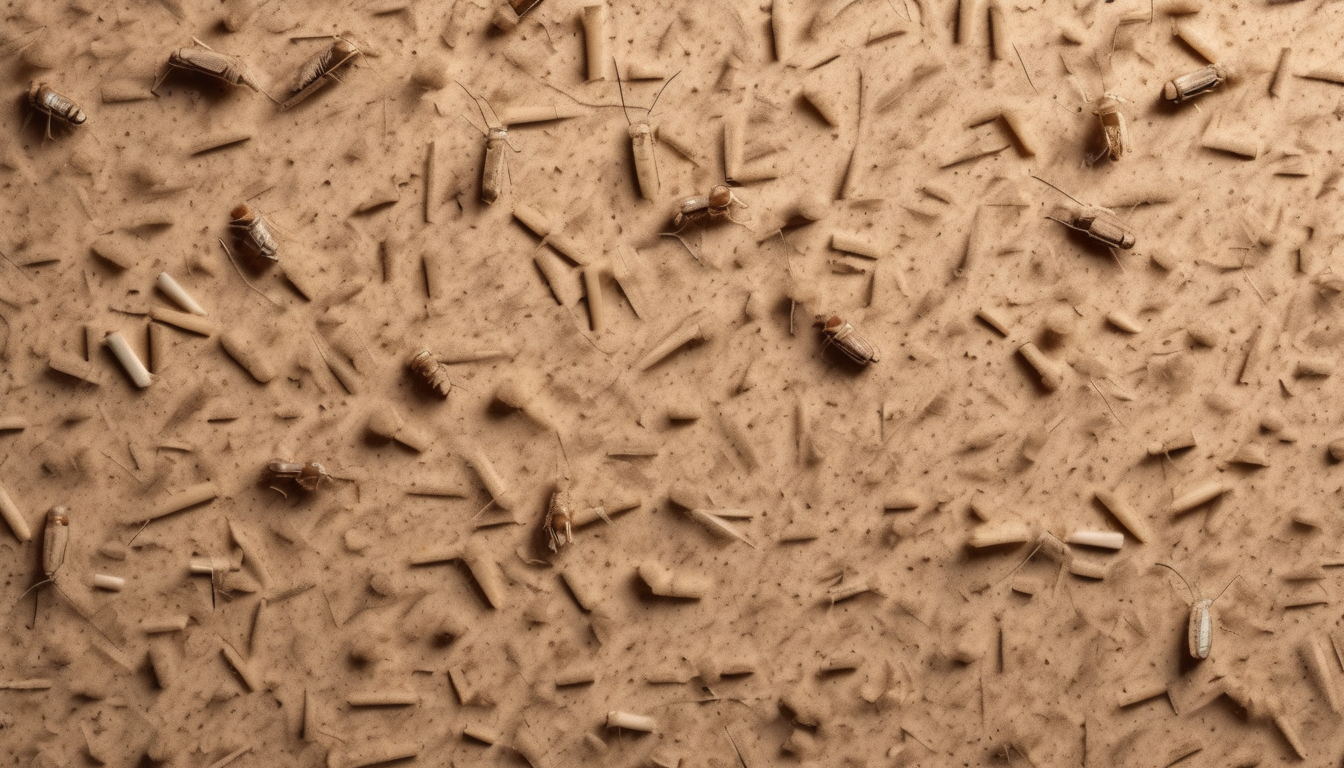

IKEA particle board furniture offers excellent value and modern design, but in Dubai’s climate, it faces significant vulnerability to termite infestation. The compressed wood particles and adhesives used in IKEA furniture create an ideal food source for termites, particularly the subterranean species common throughout the UAE. As a termite specialist with over a decade of experience in Dubai properties, I’ve treated hundreds of IKEA furniture pieces affected by termite activity. The good news is that several effective termite-resistant treatments for IKEA particle board can protect your investment and extend its lifespan significantly.
Understanding termite behavior in UAE conditions is crucial for effective protection. Dubai’s combination of irrigation, air conditioning, and sandy soil creates perfect conditions for termites to thrive. They can enter homes through minute cracks in foundations, follow plumbing lines, or even hitchhike on other infested items. Once inside, IKEA particle board furniture becomes a prime target due to its cellulose content and often direct contact with floors where termites travel. Implementing proper termite-resistant treatments for IKEA particle board requires a strategic approach that considers both the material properties and local environmental factors.
This comprehensive guide will explore professional and DIY termite-resistant treatments for IKEA particle board, treatment costs in AED, application methods, and long-term protection strategies specifically tailored for UAE homeowners. Whether you’re protecting new furniture or treating existing infestation, these evidence-based approaches will help you make informed decisions about safeguarding your IKEA investments against Dubai’s persistent termite populations.
Termite-resistant Treatments For Ikea Particle Board – Understanding IKEA Particle Board Vulnerability to Termites
IKEA particle board construction presents unique vulnerabilities to termite infestation that solid wood furniture does not. The manufacturing process compresses wood particles with synthetic resins under high pressure and heat, creating a uniform panel material. While economical and stable, this composition offers termites both accessibility and nutritional value. The edges of particle board, where the compressed material is exposed, provide easy entry points for termites to begin tunnelling inward.
In Dubai’s environment, several factors increase this vulnerability. Air conditioning creates condensation that raises humidity levels around furniture, particularly items placed on cooler tile floors. This moisture attracts termites seeking both water and cellulose. Many IKEA designs feature hollow spaces within the furniture construction, creating hidden cavities where termites can establish satellite colonies undetected. The flat-pack nature also means numerous connection points and screw holes that serve as additional entry routes for foraging termites.
From my field inspections across Dubai villas and apartments, I’ve observed consistent patterns in IKEA furniture infestation. Termites typically enter through the bottom edges that contact floors, particularly in rooms with tile flooring where moisture accumulates. They then follow the internal particle board structure, often leaving the surface laminate intact while completely consuming the interior material. This hidden damage means infestations are frequently advanced before owners notice any signs of activity.
Professional Termite-resistant Treatments for IKEA Particle Board
Professional termite-resistant treatments for IKEA particle board offer the most comprehensive protection, especially for valuable or irreplaceable furniture pieces. Borate-based treatments represent the gold standard for particle board protection. These water-soluble compounds penetrate the wood material and create a toxic environment for termites while being relatively safe for humans and pets when properly applied. In Dubai conditions, we use specialised borate formulations designed for high humidity environments.
Microemulsion termiticides provide another professional option for termite-resistant treatments for IKEA particle board. These advanced formulations combine active ingredients with microscopic droplets that penetrate deeper into the particle board structure than traditional sprays. The treatment creates a protective barrier that kills termites on contact and remains effective for several years. For furniture already showing signs of infestation, fumigation tents with Vikane gas can eliminate all life stages of termites without damaging the furniture’s surface finish.
Heat treatment represents a chemical-free option for termite-resistant treatments for IKEA particle board. Specialised equipment raises the furniture’s core temperature to 54-56°C for sustained periods, lethal to termites but safe for the particle board integrity. This method is particularly valuable for children’s furniture or homes with sensitivity to chemicals. Many Dubai pest control companies now offer mobile heat treatment units that can treat furniture on-site without removal from the property.
DIY Termite Prevention Methods for IKEA Furniture
For homeowners seeking more economical approaches, several DIY termite-resistant treatments for IKEA particle board can provide reasonable protection when applied correctly. Borax solutions offer the most accessible DIY treatment option. Mixing borax powder with water creates a solution that can be applied to furniture edges and vulnerable areas using a brush or spray bottle. The solution soaks into the particle board and provides residual protection against termite activity.
Essential oil blends containing clove, orange, or neem oil can deter termites from targeting IKEA furniture. These natural oils disrupt termite scent trails and feeding behavior without introducing synthetic chemicals into your living space. For best results, apply these oils to furniture legs, bottom edges, and any areas contacting walls or floors. Reapplication every 3-4 months is necessary, particularly during Dubai’s hotter months when termite activity increases.
Physical barriers represent another effective DIY approach among termite-resistant treatments for IKEA particle board. Applying stainless steel mesh or specially designed termite shields between furniture legs and flooring can prevent termites from accessing the particle board entirely. For furniture placed directly on floors, consider installing plastic or metal risers that create a visible inspection gap. These barriers are particularly effective when combined with regular monitoring for termite activity.
Treatment Cost Comparison in UAE Markets
Understanding cost structures for termite-resistant treatments for IKEA particle board helps Dubai homeowners budget appropriately for furniture protection. Professional borate treatments typically range from AED 300-600 per furniture item, depending on size and complexity. This cost includes inspection, preparation, application, and follow-up monitoring. Microemulsion treatments generally cost AED 400-800 per item, with higher prices reflecting the advanced formulation and longer residual protection.
Heat treatment services for termite-resistant treatments for IKEA particle board represent a premium option, typically costing AED 800-1,200 per furniture piece. This higher cost reflects the specialised equipment required and the chemical-free nature of the treatment. Complete fumigation services for severely infested furniture range from AED 1,000-2,000 depending on the number of items and accessibility factors.
DIY termite-resistant treatments for IKEA particle board offer significant cost savings, with materials typically costing AED 50-150 per treatment application. Borax powder sufficient for multiple treatments costs approximately AED 25-40, while essential oil blends range from AED 60-120 depending on quality and concentration. Physical barrier materials such as stainless steel mesh or furniture risers typically cost AED 80-200 per furniture item, representing a one-time investment rather than recurring treatment costs.
Application Techniques and Best Practices
Proper application techniques significantly enhance the effectiveness of termite-resistant treatments for IKEA particle board. For liquid treatments, always disassemble furniture to access internal surfaces and connection points. Treat all cut edges, screw holes, and joint areas thoroughly, as these represent primary entry points for termites. Allow treated furniture to dry completely before reassembly to ensure proper penetration and avoid surface damage.
When applying termite-resistant treatments for IKEA particle board, focus particularly on areas contacting floors, walls, or other furniture. These contact points provide bridges for termites moving between food sources. Pay special attention to furniture legs, bottom edges, and back panels that face walls. For cabinets and storage units, treat interior surfaces and shelves where termites might establish hidden colonies.
Timing applications correctly improves results with termite-resistant treatments for IKEA particle board. In Dubai’s climate, the ideal treatment period is during the cooler months from November to March when termite activity is more predictable and treatments can penetrate thoroughly without rapid evaporation. Avoid treating furniture during high humidity periods when moisture might interfere with proper absorption of protective compounds into the particle board material.
Long-term Protection Strategies for Dubai Homes
Effective termite-resistant treatments for IKEA particle board should be part of a comprehensive home protection strategy. Begin with environmental modifications that reduce overall termite pressure. Ensure proper drainage around your property foundation, fix leaking pipes promptly, and maintain at least 45cm clearance between soil and any wood structures. These measures reduce the termite population attempting to access your home and furniture.
Implement regular inspection routines for all IKEA furniture, particularly pieces in vulnerable locations like bathrooms, kitchens, and ground-floor rooms. Use a bright torch to examine edges, joints, and undersides every 3-4 months. Look for telltale signs like mud tubes, frass accumulation, or subtle surface changes indicating internal termite activity. Early detection dramatically improves treatment success rates and minimizes damage.
Consider professional monitoring systems as part of your termite-resistant treatments for IKEA particle board strategy. Many Dubai pest control companies offer wireless termite detection systems that provide early warning of termite activity near valuable furniture. These systems use moisture and vibration sensors to detect termite presence before visible damage occurs, allowing for targeted treatment before significant infestation develops.
Expert Tips for Termite-resistant Treatments
Based on my field experience with countless IKEA furniture treatments in Dubai homes, these expert tips will maximize your protection results. First, always clean furniture thoroughly before applying any termite-resistant treatments for IKEA particle board. Dust and grease can create barriers that prevent proper penetration of protective compounds into the wood material.
Second, focus treatment efforts on furniture placement rather than just the furniture itself. Ensure at least 10cm clearance between furniture and walls, use metal or plastic furniture feet instead of direct floor contact, and avoid placing particle board furniture in rooms with known moisture issues. These placement strategies reduce termite access opportunities significantly.
Third, combine treatment methods for layered protection. Use borate treatments for internal protection, physical barriers for access prevention, and environmental controls to reduce overall termite pressure. This integrated approach provides multiple lines of defense against termite infestation in your IKEA furniture.
Finally, document all treatments applied to each furniture piece, including dates, products used, and application methods. This record helps track protection effectiveness and ensures timely reapplication before treatment efficacy diminishes in Dubai’s challenging climate conditions.
FAQ: Termite-resistant Treatments for IKEA Particle Board
How often should I reapply termite-resistant treatments for IKEA particle board? Professional treatments typically provide protection for 2-3 years, while DIY solutions require reapplication every 6-12 months. In high-risk areas or homes with previous termite issues, consider annual inspections to determine when retreatment is necessary.
Can I treat termite-infested IKEA furniture myself? For minor infestations, DIY treatments can be effective if caught early. However, for established infestations or valuable furniture pieces, professional treatment is recommended. Termites often cause hidden damage that requires expert assessment and treatment.
Are termite-resistant treatments safe for children’s furniture? Borate-based treatments and heat treatments are generally considered safe for children’s furniture when applied according to manufacturer instructions. Always allow proper drying and ventilation before returning furniture to use.
Will treatments affect the appearance of my IKEA furniture? Properly applied termite-resistant treatments should not visibly affect furniture appearance. Some oil-based treatments might temporarily darken untreated particle board, so always test on inconspicuous areas first.
How can I identify termite damage in IKEA particle board furniture? Look for hollow sounds when tapping surfaces, fine powdery frass around joints, visible mud tubes on furniture legs, or unexpected structural weakness. The surface laminate often remains intact while internal damage progresses.
Implementing effective termite-resistant treatments for IKEA particle board requires understanding both the material vulnerabilities and Dubai’s specific termite challenges. By combining professional treatments when needed with diligent DIY maintenance and strategic furniture placement, you can significantly extend the life of your IKEA investments. Remember that termite protection is an ongoing process rather than a one-time application, particularly in UAE conditions where termite pressure remains high year-round.
