

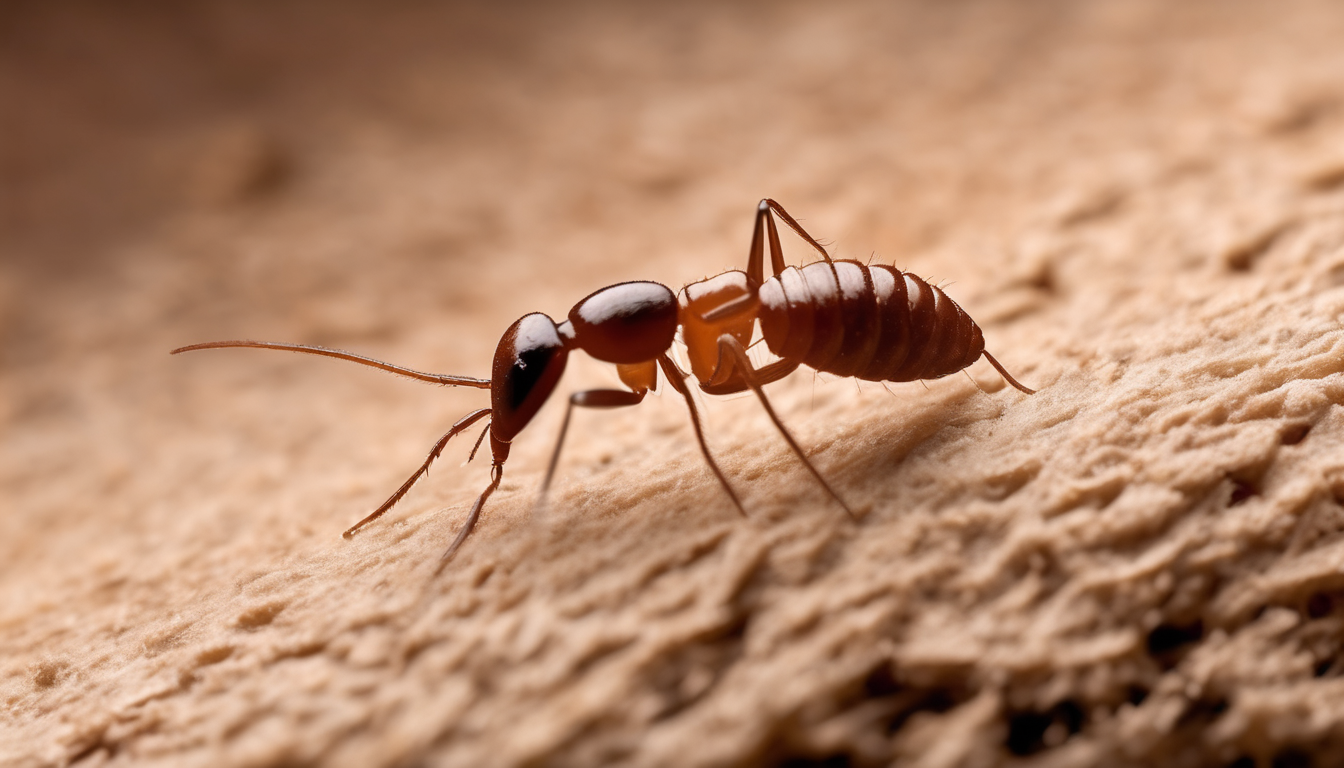

Termites, especially subterranean varieties, are silent but costly invaders that can severely compromise the structural integrity of buildings. Recognizing the value of effective inspection techniques for early detection of termite activity can save property owners thousands in repairs and preserve the safety and value of homes and infrastructure.
In this comprehensive how-to guide, we will delve deeply into 9 actionable inspection techniques, combining modern technology and traditional methods, to help homeowners, pest control professionals, and building managers identify termite infestations before they escalate. Early detection leads to timely intervention, preventing the hidden destruction that termites cause by exploiting moisture pathways and structural vulnerabilities.
Understanding Effective Inspection Techniques for Early Detection of Termite Activity
Effective inspection techniques for early detection of termite activity are a combination of strategic observation, use of specialized tools, and knowledge of termite behavior and habitat preferences. Subterranean termites especially rely on moisture and soil contact to invade structures, so inspections focus on identifying not only termites themselves but conditions that foster infestation.
Early detection involves looking for subtle physical signs such as mud tubes, discarded wings, damage patterns, and moisture accumulation. It also includes utilizing moisture meters, thermal cameras, and acoustic sensors to detect termite presence within inaccessible areas, reducing guesswork and damage.
Preparation and Materials Needed for Termite Inspections
Prior to conducting a termite inspection, it is essential to prepare adequately. Here is a list of recommended materials and tools:
- Flashlight with adjustable brightness
- Moisture meter for detecting high-humidity areas
- Infrared thermal imaging camera
- Flathead screwdriver or wood probe tool for testing wood integrity
- Borescope/endoscope for inspecting hidden spaces
- Acoustic emission devices or listening tools
- Inspection checklist to ensure coverage of common termite-prone areas
- Protective gloves and safety goggles
- Camera or smartphone for photo documentation
Having these tools ready allows for a thorough and efficient inspection that covers both visible and hidden termite activity.
Step 1: Exterior Visual Inspection
Start with a detailed exterior examination, focused on identifying visible signs of termite activity and conditions favorable for infestation:
- Look for mud tubes: Pencil-thin, dirt-sheltered tunnels running from soil to wood surfaces along foundations, walls, or fences.
- Check mulch and soil contact: Ensure mulch or soil is not piled excessively against the building walls or wooden structures.
- Inspect wooden features: Decks, fences, window and door frames, and outdoor furniture for sagging, hollow spots, or blistered paint.
- Identify cracks and crevices: Foundation cracks, expansion joints, and gaps around service penetrations are potential termite entry points.
- Discarded wings: Swarmers shed wings after colonization—look on windowsills and near lighting fixtures.
Document any suspicious findings with photographs and notes to correlate with interior inspection.[2][5]
Step 2: Moisture Mapping and Detection
Moisture is the main attractant for subterranean termites. Use a moisture meter to identify damp or water-logged areas both around the exterior and inside the property.
- Measure on foundation walls, wooden beams, floor joists, and baseboards.
- Check areas near plumbing, irrigation lines, condensate drains, and roof leaks.
- Map moisture hotspots to understand potential termite nesting and foraging zones.
Targets high moisture areas for focused investigation and possible corrective action to reduce termite habitats.[1][3]
Step 3: Infrared Thermal Imaging
Infrared thermal imaging cameras detect heat irregularities caused by termite metabolic activity hidden behind walls, ceilings, or floors.
- Scan suspect areas identified during visual and moisture inspections.
- Look for concentrated heat signatures indicative of active termite colonies.
- Use imaging to verify extent and activity levels of infestation without invasive procedures.
This method complements the inspection by revealing termite activity behind invisible barriers, accelerating early detection.[1][3][4]
Step 4: Wood Probing Technique
Probing wooden components with a flathead screwdriver or a specialized probe tests wood integrity to reveal termite damage not visible on the surface.
- Gently press or tap wood structures like door frames, baseboards, floor joists, and attic beams.
- Soft or hollow spots suggest internal galleries hollowed out by termites.
- Confirm suspicions by making small test holes in inconspicuous areas, if necessary.
Wood probing remains a reliable, low-tech diagnostic tool in termite inspections, reinforcing technological findings.[1][5]
Step 5: Inspecting for Mud Tubes and Termite Signs
Directly search for subterranean termites’ characteristic mud tubes and other physical signs:
- Examine foundation walls and baseboards for mud tubes: hardened, pencil-diameter tunnels used for moisture protection when moving between soil and wood.
- Look beneath mulch piles, flower beds, irrigation lines, and fencing for concealed tubes.
- Search for termite droppings (frass) inside wall voids and damaged wood that appears blistered or hollow.
Systematic scrutiny of these features confirms active colonies and highlights infestation pathways.[2][6]
Step 6: Interior Inaccessible Space Examination
Termites frequently nest or tunnel in hidden areas like crawl spaces, attics, basements, and behind walls. Use these methods to inspect such spaces:
- Illuminate and carefully inspect crawl spaces for visible damage, moisture accumulation, mud tubes, or termite presence.
- Access attics and ceilings to check wooden beams and insulation condition.
- Check plumbing and HVAC service lines for leaks or condensation providing moisture trails.
These spaces often harbor early infestations, so diligent examination is vital.[2][3]
Step 7: Acoustic and Sound Detection
Listening to walls or wood structures for termite sounds is a less common but effective means of detection:
- Professionals use acoustic emission devices that capture termite movement and chewing noises inside wood or walls.
- DIY approach includes tapping suspected wood and listening for hollow or clicking sounds.
- Such auditory clues often accompany visual signs in early infestations.
This technique supports confirmation in ambiguous cases where visual indicators are minimal.[4]
Step 8: Use of Borescopes for Hidden Areas
Borescopes or endoscopes are flexible cameras that allow inspection inside wall voids, behind baseboards, or inside structural cavities that are otherwise inaccessible.
- Insert through small drilled holes (later sealed) to visualize hidden timber or spaces.
- Look for termite galleries, damaged wood, frass, or live termites.
- Reduces the need for destructive inspection and unsightly openings.
A powerful supplemental tool for detailed evidence gathering during inspections.[3]
Step 9: Monitoring Bait Stations for Early Signs
Deploying termite bait stations around a property serves as both a preventive and detection system:
- Stations attract termites feeding on cellulose-based bait that signals colony presence.
- Frequent monitoring for bait consumption provides early warnings of subterranean activity.
- Data collected guides targeted treatments before infestation worsens.
This non-invasive method complements inspection efforts and is valuable in high-risk landscapes with irrigation and mulch.[1][4][6]
Key Takeaways for Implementing Effective Inspection Techniques for Early Detection of Termite Activity
- Regular scheduled inspections—ideally yearly or biannually—are essential since termite damage often goes unnoticed until advanced stages.
- Use a combination of visual observation, moisture detection, and high-tech tools such as thermal cameras and borescopes for comprehensive coverage.
- Focus inspections on known termite pathways, including soil contact areas, irrigation systems, wood-to-soil junctions, and concealed structural components.
- Map moisture and termite sign locations to identify infestation patterns and prioritize remedial measures.
- Employ sound detection and wood probing to reinforce diagnosis in ambiguous or early cases.
- Maintain detailed inspection records with photos and notes to track changes over time.
- Collaboration with pest management experts ensures accurate interpretation and proper treatment planning.
Conclusion
Employing effective inspection techniques for early detection of termite activity is the cornerstone of protecting buildings and investments from the relentless damage posed by subterranean termites. By integrating thorough visual assessments, moisture mapping, thermal imaging, wood probing, and modern tools like borescopes and acoustic detectors, inspectors can uncover termite infestations hidden from casual view. Complementing these with bait station monitoring and regular scheduled inspections ensures early intervention, preserving structural safety and preventing costly repairs.
Adopting this multi-method, evidence-driven approach empowers homeowners and professionals to detect termite activity at its earliest stages, making control more manageable and efficient. Early detection is the best defense in the ongoing challenge of termite management.
