

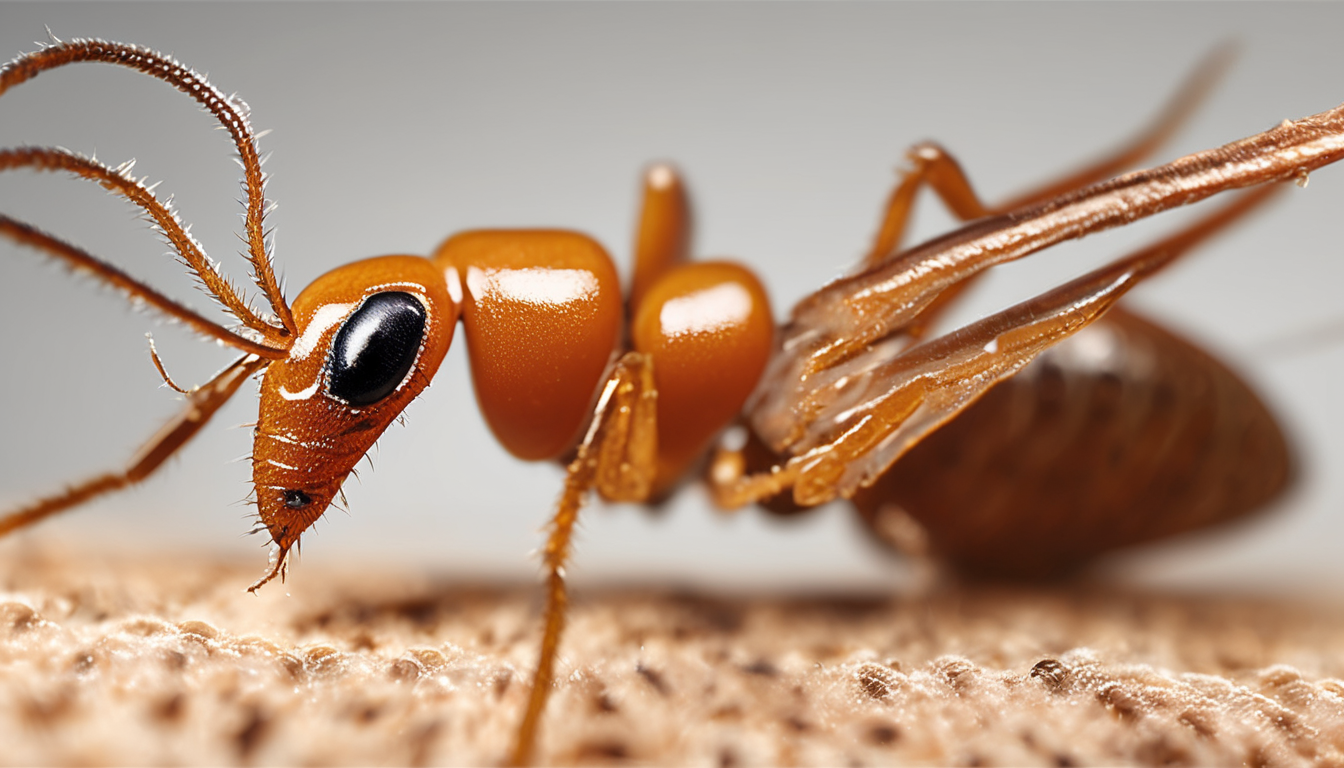

Termite Treatment Timing based on UAE seasons is a critical factor that determines the success or failure of pest management strategies in Dubai properties. The extreme seasonal variations in temperature, humidity, and termite behavior patterns require a carefully calibrated approach that aligns with biological cycles and environmental conditions. Understanding termite treatment timing based on UAE seasons can mean the difference between complete colony elimination and recurring infestations that damage property structures.
In my experience as Head of Operations at Saniservice Dubai, I’ve observed that proper termite treatment timing based on UAE seasons follows distinct patterns that correspond to temperature shifts, irrigation schedules, and termite reproductive cycles. The UAE’s desert climate creates unique challenges that differ significantly from temperate regions, requiring specialized knowledge of how subterranean termites adapt to extreme heat, limited moisture, and seasonal changes in soil conditions.
This guide will explore the scientific principles behind termite treatment timing based on UAE seasons, providing property owners, facility managers, and construction professionals with actionable strategies for each seasonal phase. We’ll examine how treatment effectiveness varies throughout the year and why certain approaches work better during specific seasons in the UAE context.
Understanding Termite Treatment Timing Based on UAE Seasons
Termite treatment timing based on UAE seasons begins with understanding how desert subterranean termites respond to environmental changes throughout the year. UAE termites, primarily Psammotermes hybostoma and Microcerotermes species, exhibit distinct behavioral patterns that directly influence treatment effectiveness. These patterns are driven by temperature fluctuations, moisture availability, and reproductive cycles that vary significantly across seasons.
The optimal termite treatment timing based on UAE seasons considers soil temperature ranges between 20°C and 35°C, which typically occur during winter and spring months. During these periods, termites remain active near the surface, foraging for food and moisture, making them more accessible to treatments. Treatment applications during extreme summer heat (above 40°C) often prove less effective as termites retreat deeper into the soil to avoid desiccation, reducing contact with applied termiticides.
Another critical factor in termite treatment timing based on UAE seasons is irrigation patterns. Landscaping irrigation schedules change seasonally, affecting soil moisture levels that termites depend on for survival. Treatment applications should coincide with periods when irrigation creates optimal moisture conditions for termite activity while ensuring termiticides properly disperse through the soil profile without being washed away by excessive watering.
Termite Treatment Timing Based On Uae Seasons – Winter Termite Treatment Timing Strategy
Winter represents the most effective period for termite treatment timing based on UAE seasons due to moderate temperatures and increased termite activity near the surface. From November through February, soil temperatures typically range between 18°C and 28°C, creating ideal conditions for termite foraging and treatment application. This season offers the highest success rates for both preventive and corrective treatments.
The strategic advantage of winter termite treatment timing based on UAE seasons lies in the biological behavior of desert termites. During cooler months, termites expand their foraging ranges to compensate for reduced metabolic efficiency, increasing their likelihood of encountering bait stations or soil barriers. Treatment applications during this period benefit from better soil penetration and more consistent termiticide distribution without the rapid evaporation that occurs during summer months.
Property owners should schedule comprehensive termite inspections during early winter (November-December) to identify active infestations before they cause significant structural damage. Treatment applications in January and February take advantage of peak termite activity while allowing sufficient time for colony elimination before the spring reproductive season begins. This termite treatment timing based on UAE seasons prevents swarming events that can establish new colonies in adjacent properties.
Termite Treatment Timing Based On Uae Seasons – Spring Termite Treatment Timing Approach
Spring termite treatment timing based on UAE seasons focuses on preventing colony expansion and managing reproductive swarms that typically occur from March through May. This period requires a dual approach combining barrier treatments with swarm management strategies. Rising temperatures and increased irrigation create optimal conditions for termite colony growth and reproductive activity.
The critical aspect of spring termite treatment timing based on UAE seasons involves addressing alate (winged reproductive termite) swarms that emerge after rainfall events or significant irrigation. Treatment strategies should include exterior perimeter applications to create protective barriers before swarming begins, combined with interior treatments focused on potential entry points around windows, doors, and utility penetrations. Baiting systems become particularly effective during spring as termites actively seek new food sources to support colony expansion.
Spring termite treatment timing based on UAE seasons also considers construction schedules, as many development projects accelerate during moderate weather conditions. Pre-construction termite treatments applied during spring provide maximum protection for new structures, with soil termiticides effectively distributed before final landscaping and irrigation systems are completed. This proactive approach prevents future infestations by creating continuous chemical barriers during the building phase.
Summer Termite Treatment Timing Considerations
Summer termite treatment timing based on UAE seasons presents unique challenges due to extreme temperatures that frequently exceed 45°C and low humidity levels that cause rapid termiticide degradation. From June through September, termites typically retreat deeper into the soil profile or migrate toward constant moisture sources, reducing treatment effectiveness through standard application methods.
The strategic approach to summer termite treatment timing based on UAE seasons focuses on targeted interventions rather than broad-scale applications. Treatments should concentrate on identified activity zones with confirmed moisture sources, such as irrigation leaks, condensate drainage points, or plumbing penetrations. Baiting systems require more frequent monitoring and maintenance during summer months as extreme heat accelerates bait matrix deterioration and reduces termite foraging activity.
Despite the challenges, summer termite treatment timing based on UAE seasons offers opportunities for addressing infestations in air-conditioned interior spaces where temperature and humidity remain stable. Treatment applications in sub-floor areas, wall voids, and attic spaces can be highly effective during summer months when external conditions limit treatment options. Emergency treatments for active infestations remain necessary regardless of season, though technicians must adjust application methods to account for temperature extremes.
Autumn Termite Treatment Timing Protocol
Autumn termite treatment timing based on UAE seasons serves as a critical transition period between extreme summer conditions and optimal winter treatment windows. From September through November, gradually cooling temperatures and reduced irrigation create conditions that encourage termites to return to surface foraging patterns, making this an ideal time for assessment and preparatory treatments.
The primary focus of autumn termite treatment timing based on UAE seasons involves comprehensive property assessments to identify summer damage and prepare for winter treatment campaigns. Thermal imaging and moisture mapping techniques prove particularly valuable during this period, as they can detect hidden activity that developed during summer months when visual inspections were less effective. This assessment data informs treatment strategies for the coming optimal treatment season.
Autumn termite treatment timing based on UAE seasons also includes preparatory measures such as repairing irrigation leaks, improving drainage around foundations, and modifying landscaping features that create termite pathways. These physical modifications enhance the effectiveness of chemical treatments applied during winter months by eliminating alternative moisture sources and creating less favorable conditions for termite survival. Property owners should schedule professional consultations during autumn to develop customized treatment plans for implementation during the optimal winter period.
Emergency Termite Treatment Timing Indicators
Emergency termite treatment timing based on UAE seasons requires immediate response regardless of seasonal considerations when specific indicators appear. These critical signs demand prompt intervention to prevent structural compromise and limit colony expansion. Understanding these emergency indicators ensures property owners recognize situations that cannot wait for optimal seasonal timing.
The most urgent emergency termite treatment timing based on UAE seasons scenarios include visible structural damage, active swarming events inside buildings, and mud tube formations on interior surfaces. These indicators suggest established infestations that have breached structural defenses and require immediate professional assessment. Emergency treatments focus on containing active damage while developing comprehensive elimination strategies for implementation during optimal seasonal windows.
Another critical emergency termite treatment timing based on UAE situations involves pre-purchase property inspections that reveal active infestations. Prospective buyers should insist on immediate treatment before transaction completion to avoid inheriting significant remediation costs. Emergency treatments in these cases protect financial investments and prevent further structural deterioration that could affect property valuation and insurance coverage.
Preventive Termite Treatment Timing Schedule
Preventive termite treatment timing based on UAE seasons follows a structured annual schedule that aligns with biological cycles and environmental conditions. This proactive approach significantly reduces infestation risks and treatment costs by addressing potential problems before they develop into active infestations. The preventive schedule incorporates seasonal strengths and vulnerabilities of both termites and treatment methodologies.
The optimal preventive termite treatment timing based on UAE seasons begins with annual inspections during autumn (October-November) to assess property conditions after summer stress periods. These inspections identify vulnerability points that require attention before winter treatment applications. Preventive soil treatments and bait system installations should occur during winter months (December-February) when conditions favor maximum treatment effectiveness and termite activity patterns ensure proper product distribution and uptake.
Spring preventive termite treatment timing based on UAE seasons focuses on monitoring installed systems and addressing any issues before swarming season begins. Maintenance inspections during March-April ensure bait stations remain effective and soil barriers haven’t been compromised by landscaping activities or soil settlement. This continuous preventive approach, aligned with seasonal patterns, provides year-round protection against termite infestations in UAE properties.
Professional Termite Treatment Timing Consultation
Professional termite treatment timing based on UAE seasons requires specialized knowledge of local species behavior, soil conditions, and microclimate variations across different Emirates. Certified pest management professionals possess the expertise to customize treatment timing strategies based on specific property characteristics, construction types, and historical infestation patterns.
The value of professional termite treatment timing based on UAE seasons consultation lies in the ability to interpret subtle signs that indicate optimal treatment windows for individual properties. Factors such as soil type, irrigation patterns, building orientation, and landscaping features significantly influence treatment effectiveness and require customized timing strategies. Professionals use advanced detection tools including moisture meters, thermal imaging cameras, and acoustic detectors to identify hidden activity that informs treatment timing decisions.
Property owners should engage professional services for termite treatment timing based on UAE seasons consultations at least annually, preferably during autumn assessment periods. These consultations typically cost between AED 300 and AED 600 depending on property size and complexity, representing a valuable investment in preventive protection that can save thousands of AED in potential structural repair costs. Professional assessments also provide documentation for insurance purposes and property transactions, verifying termite-free status or outlining necessary treatment plans.
Expert Tips for Optimal Termite Treatment Timing
- Schedule annual inspections during October-November to assess summer damage and prepare winter treatment plans
- Implement preventive treatments during December-February when soil temperatures optimize termiticide effectiveness
- Monitor bait systems monthly during spring months (March-May) to capture increased foraging activity
- Address irrigation leaks and drainage issues before winter treatments to enhance barrier longevity
- Document all treatments and inspections for insurance compliance and property transaction requirements
- Coordinate treatment timing with landscaping schedules to avoid soil disturbance after chemical applications
- Consider microclimate variations between coastal and inland properties when planning treatment timing
- Engage professional services for complex infestations requiring specialized equipment and expertise
Frequently Asked Questions
What is the absolute best month for termite treatment in Dubai?
January typically offers the optimal conditions for termite treatment in Dubai, with moderate temperatures around 24°C, stable soil moisture levels, and peak termite foraging activity near the surface.
Can termite treatments be effective during summer months?
While summer treatments face challenges due to extreme heat, targeted interventions addressing specific moisture sources and interior infestations can be effective when applied by experienced professionals using appropriate techniques.
How often should preventive termite treatments be applied?
Preventive soil treatments typically require reapplication every 5-7 years, while baiting systems need quarterly monitoring and annual maintenance to ensure continuous protection against termite infestations.
Are emergency treatments less effective than scheduled seasonal treatments?
Emergency treatments address immediate threats but often require follow-up applications during optimal seasonal windows to achieve complete colony elimination and prevent recurrence.
What factors most influence treatment timing decisions?
Soil temperature, irrigation patterns, termite activity levels, and specific species behavior are the primary factors determining optimal treatment timing in UAE conditions.
Conclusion
Mastering termite treatment timing based on UAE seasons requires understanding the complex relationship between environmental conditions, termite biology, and treatment methodology effectiveness. The strategic alignment of treatment applications with seasonal patterns significantly enhances success rates while reducing overall treatment costs and property damage risks. Property owners who adopt a seasonally-aware approach to termite management benefit from more effective protection and long-term preservation of their investments.
The comprehensive termite treatment timing based on UAE seasons strategy outlined in this guide provides a framework for proactive management that addresses both immediate threats and long-term prevention. By working with qualified professionals and following seasonal best practices, Dubai property owners can effectively protect their structures against one of the region’s most destructive pest challenges while maintaining the value and integrity of their properties for years to come.
