

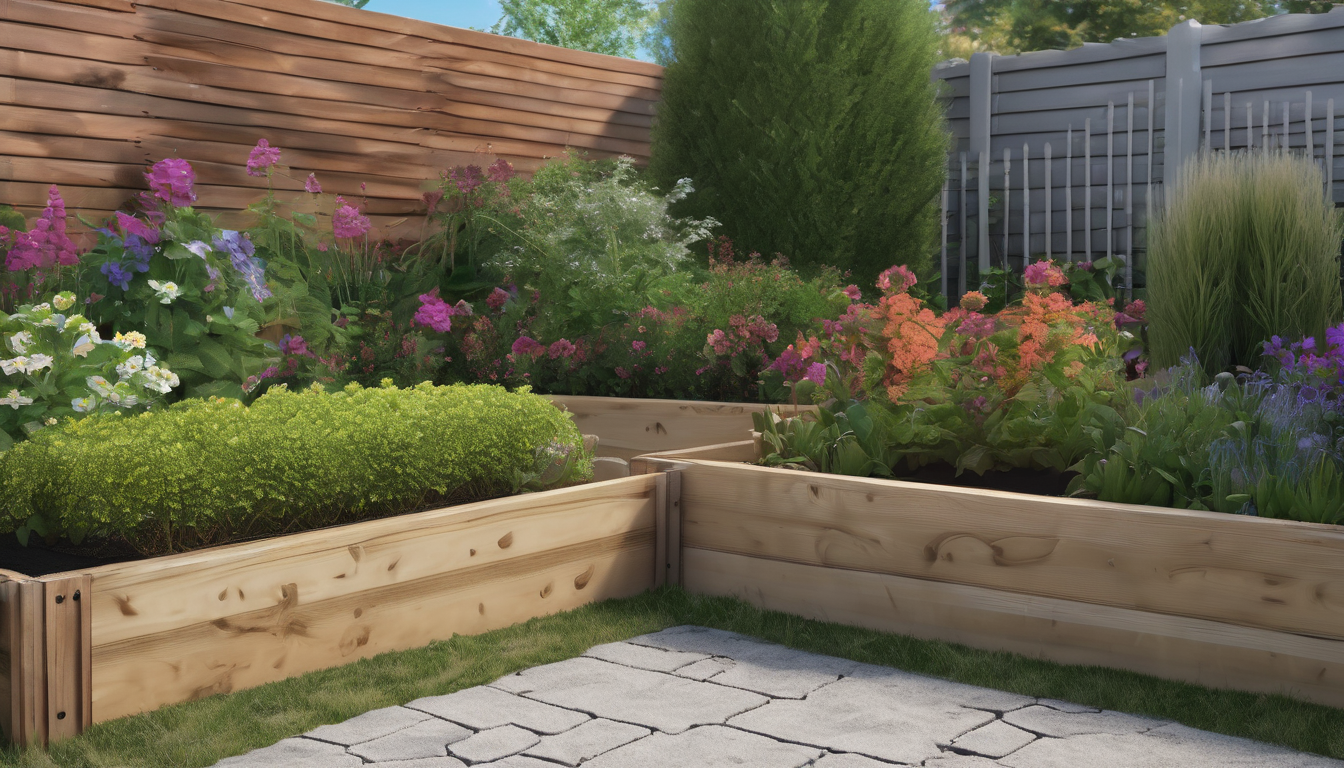

Protecting your garden beds from termites is crucial, especially in the UAE where termite activity can compromise both plants and structures. This guide outlines a step-by-step process to install effective physical barriers around garden beds, ensuring long-term protection against these pests.
Understanding How to Install Physical Barriers Around Garden Beds
In Dubai, termite activity is a significant concern for both homeowners and property managers. One of the most effective ways to protect your garden beds from termites is by installing physical barriers. These barriers create an impenetrable layer around your plants and structures, preventing termites from entering your garden.
Choosing the Right Materials for Barriers
When selecting materials for your physical barriers, consider durability, ease of installation, and termite resistance. Stainless steel mesh is an excellent choice due to its strength and long-term effectiveness against termites. Other options include copper tape and galvanized wire, which are also effective but may not be as durable over time.
Ensure the material you choose can withstand the local climate conditions in Dubai. The materials should be able to handle extreme heat and occasional moisture from irrigation systems without rusting or deteriorating quickly.
Measuring and Marking the Garden Beds
Before installing any barriers, it’s crucial to accurately measure the garden beds. Use a measuring tape to determine the perimeter of each bed. Record these measurements on paper or digitally for easy reference during installation.
Mark the edges of the garden beds with stakes or paint. This will help you ensure that the barrier is installed correctly and covers the entire area where termites might enter.
Cutting and Installing the Barrier Mesh
Using the measurements taken, cut your chosen barrier material to fit each garden bed. Ensure there are no overlapping edges or gaps that could allow termites to bypass the barrier.
Begin by laying out the mesh around one side of a garden bed, securing it to the ground with stakes every 1-2 meters. Use zip ties or wire to firmly attach the mesh to the soil surface. This will prevent any movement and ensure a tight seal against termites.
Securing the Barriers to the Ground
Properly securing the barrier material is essential for long-term protection. Use landscape staples or U-shaped stakes to attach the mesh tightly to the soil surface. Drive these stakes into the ground, ensuring they are flush with the surface and firmly in place.
For added security, cover the edges of the mesh with a layer of mulch or gravel. This not only conceals the barrier but also prevents any small gaps from appearing over time due to soil movement.
Connecting Barriers Between Garden Beds
Once the barriers are installed around each garden bed, connect them at their intersections. Use a continuous piece of barrier material or overlap sections carefully to form a seamless connection. Secure any connections with zip ties or wire to prevent gaps.
Maintain regular inspections and adjustments as needed. Over time, soil movement can cause shifts in the barriers, so it’s important to periodically check for any loose areas that need reinforcement.
Monitoring and Maintaining the Barriers
Regular monitoring is key to ensuring the effectiveness of your physical barriers. Use a moisture meter or thermal imaging camera to check for signs of termite activity around the edges of each barrier.
If you notice any gaps, shifts in positioning, or signs of termite infestation, address these issues immediately by replacing or reinforcing the affected areas. Keeping the barriers intact and secure will help prevent termites from entering your garden beds. When considering Install Physical Barriers Around Garden Beds, this becomes clear.
Expert Tips for Protecting Your Garden
- Use appropriate materials: Stainless steel mesh or copper tape are highly effective against termites in Dubai’s climate.
- Precise measurements: Accurate measurement and marking of garden beds ensure a proper fit for the barrier material.
- Secure installation: Use landscape staples, U-shaped stakes, or zip ties to firmly attach the barriers to the ground.
- Regular inspections: Periodically check for gaps, shifts, and signs of termite activity. Address any issues promptly.
FAQ Section
Q: Can I use plastic barriers instead of metal?
A: While plastic barriers can provide some protection, they are not as effective against termites in the long term. Metal barriers like stainless steel or copper offer better durability and resistance to termite damage.
Q: How often should I inspect my garden for termite activity?
A: Inspect your garden beds at least twice a year, especially during peak termite season (spring and summer). Regular checks will help you catch any issues early.
Conclusion
Installing physical barriers around your garden beds is an essential step in protecting your plants and structures from termites. By following these detailed steps, you can create a robust defense system that keeps your garden safe for years to come. Remember to choose the right materials, measure accurately, secure properly, and maintain vigilance over time.
For more information on termite protection strategies or assistance with complex cases, contact Saniservice Dubai’s Termite Doctor team at 0505420319
