
As the Termite Doctor of Dubai, I’ve uncovered countless hidden infestations using thermal imaging, acoustic tools, and moisture mapping. These methods reveal subterranean termites before they cause costly damage in UAE properties. Follow this guide to detect hidden termite activity: thermal imaging, acoustic tools, and moisture mapping effectively.
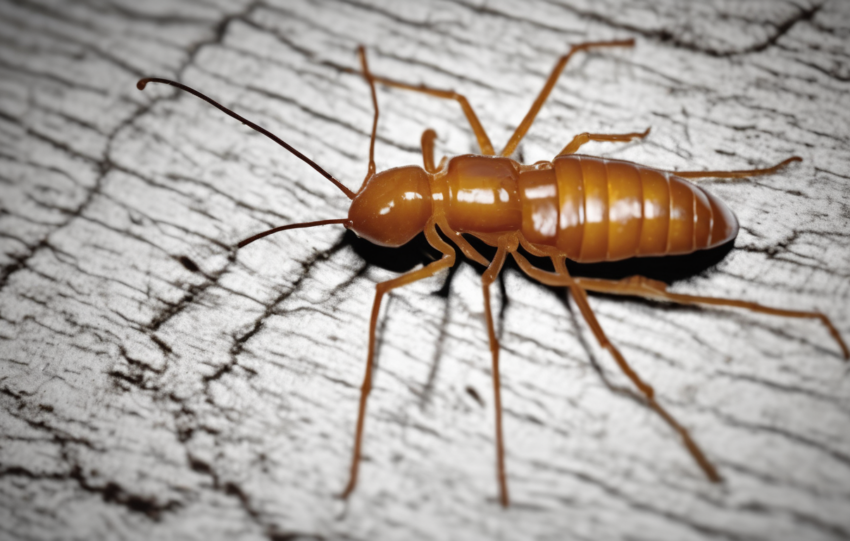
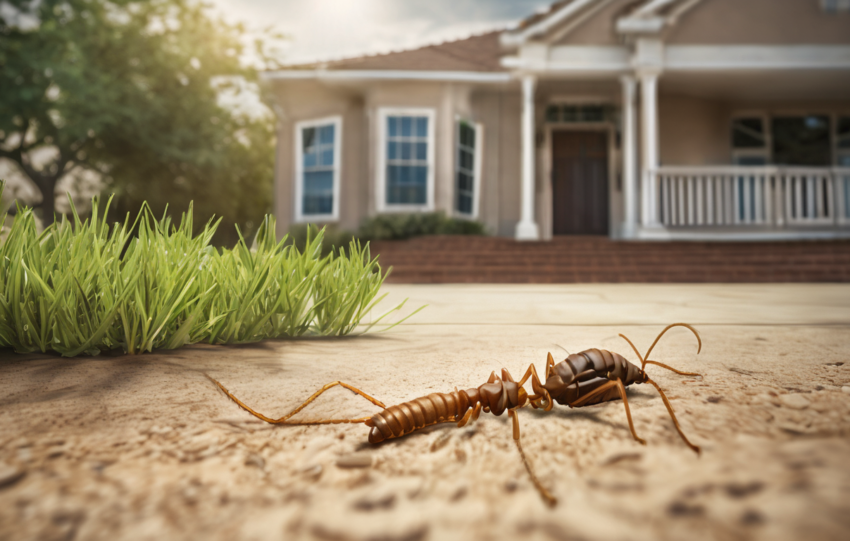
Irrigation systems and poor landscaping choices unknowingly create moist pathways that subterranean termites exploit to invade Dubai buildings. This article reveals how overwatering, mulch bridges, and plant placement form direct routes for termites. Learn proven strategies to eliminate these risks and safeguard high-value properties.[1][2]
In Dubai’s arid climate, subterranean termites exploit chemicals and signals like pheromones and cuticular cues to forage relentlessly. This case study details a challenging infestation in a luxury Palm Jumeirah villa, where understanding Chemicals and Signals: Pheromones, Cuticular Cues, and Termite Foraging Behaviour led to a targeted solution. Discover the science-backed approach that saved AED…
This practical how‑to guide explains *How Termites Use Moisture Cues to Locate and Colonise Wood in Arid Landscapes* and gives eight actionable steps to detect, prevent and interrupt moisture-driven termite pathways in Dubai‑region properties. It blends termite biology, inspection techniques and control options for immediate field use.
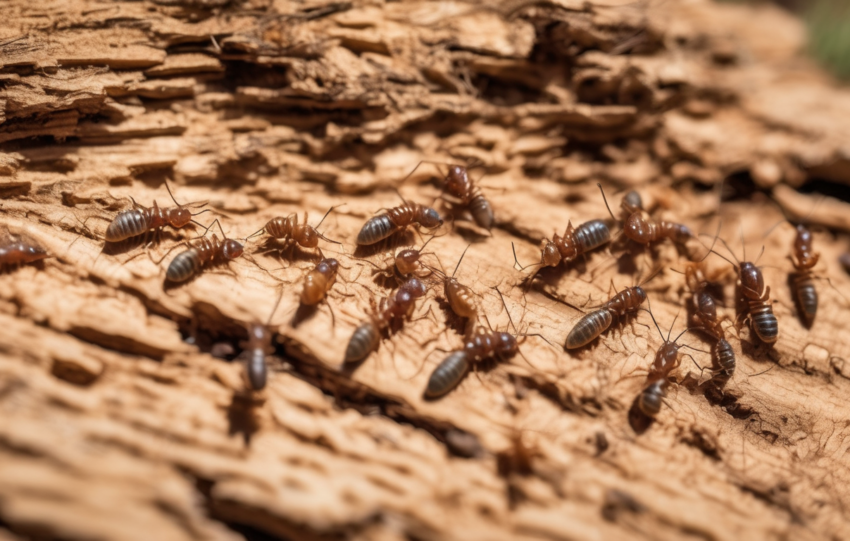
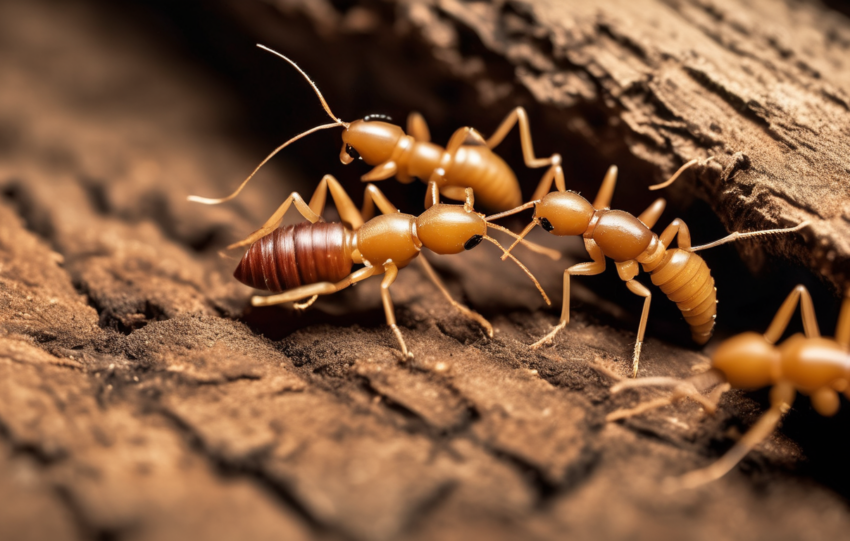
Subterranean termites locate wood through sophisticated senses attuned to moisture, vibrations, and chemicals, posing a major threat to Dubai villas. This comprehensive guide reveals how do subterranean termites find wood, drawing from my experience as The Termite Doctor in the UAE. Learn detection methods, prevention strategies, and why annual inspections save AED 50,000+ in repairs.