

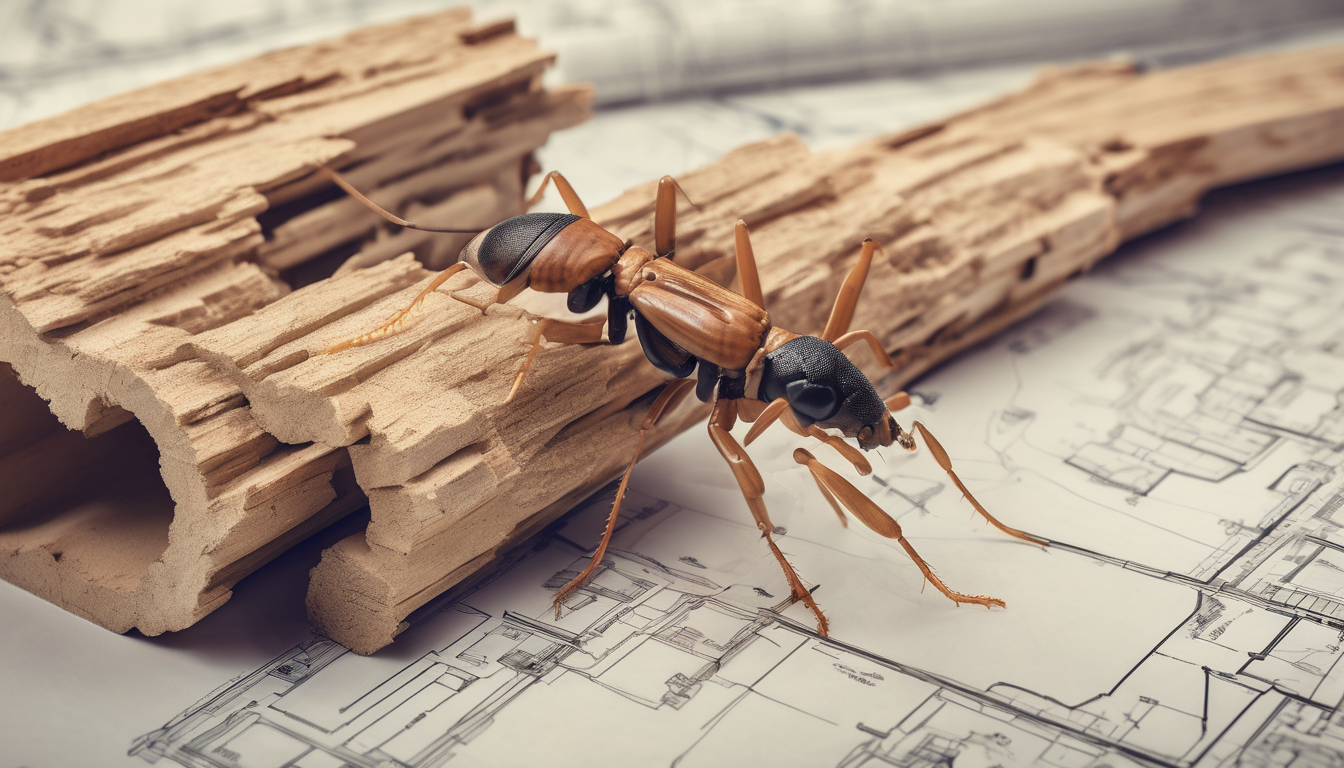

In the thriving urban landscape of Dubai, Integrating Termite Prevention strategies into architectural plans is not just a recommendation – it’s a necessity. The combination of Dubai’s warm climate and its luxurious yet vulnerable wooden structures creates an ideal breeding ground for termites. Effective termite prevention begins at the drawing board, ensuring longevity and structural integrity of Dubai’s iconic constructions. Here are 11 essential insights into seamlessly incorporating termite prevention measures into architectural designs, safeguarding Dubai’s buildings from these silent destroyers.
Understanding Termite Threats in Dubai
In Dubai, the most common termite threats come from the subterranean varieties that thrive in its desert climate. Understanding these threats is vital for architects and builders to design structures that are less susceptible to damage.
Choosing Termite-Resistant Building Materials
Selecting building materials that termites find less appetizing is a straightforward approach to deterrence. For instance, using concrete, steel, or masonry for foundation structures and opting for termite-resistant wood varieties for any essential timber elements can significantly lower the risks of termite infestation.
Effective Soil Pre-Treatment Methods Against Termites
Soil pre-treatment is an effective first line of defense. By treating the soil with termiticides before construction begins, it becomes possible to create a chemical barrier that termites cannot cross. Ensuring that the chosen termiticides are suitable for Dubai’s soil type is essential for long-lasting protection.
Installation Guide for Physical Termite Barriers
Physical barriers, such as stainless steel mesh or sand barriers, can prevent termites from accessing structures. Installing these barriers during the construction phase requires careful planning and execution but offers a non-toxic approach to termite prevention that lasts for the life of the building.
Designing Termite-Proof Landscapes in Desert Environments
Landscaping choices can either deter or invite termites. In Dubai, designing landscapes that minimize wood-to-soil contact and maintaining dry conditions can help prevent termites. Selection of plants, placement of irrigation systems, and drainage are crucial considerations.
Termite Monitoring Systems: Setup and Maintenance
Termite monitoring systems are an integral part of proactive termite management. In Emirates Hills and similar luxury communities, installing bait stations and monitoring for termite activity can catch infestations early, before significant damage occurs.
Collaboration with Pest Control Specialists
Architects and builders should work closely with pest control specialists, like myself, who understand Dubai’s termite challenges intimately. Together, we can identify potential problem areas early in the design phase and select the most effective prevention strategies.
In conclusion, the integration of termite prevention into architectural plans in Dubai requires a multifaceted approach. By selecting resistant materials, employing soil treatments, installing physical barriers, designing landscapes thoughtfully, and using monitoring systems, we can safeguard Dubai’s constructions against termites. This collaborative and comprehensive approach between architects, builders, and pest control specialists is the key to protecting Dubai’s architectural heritage and future developments from the damaging effects of termites.
