

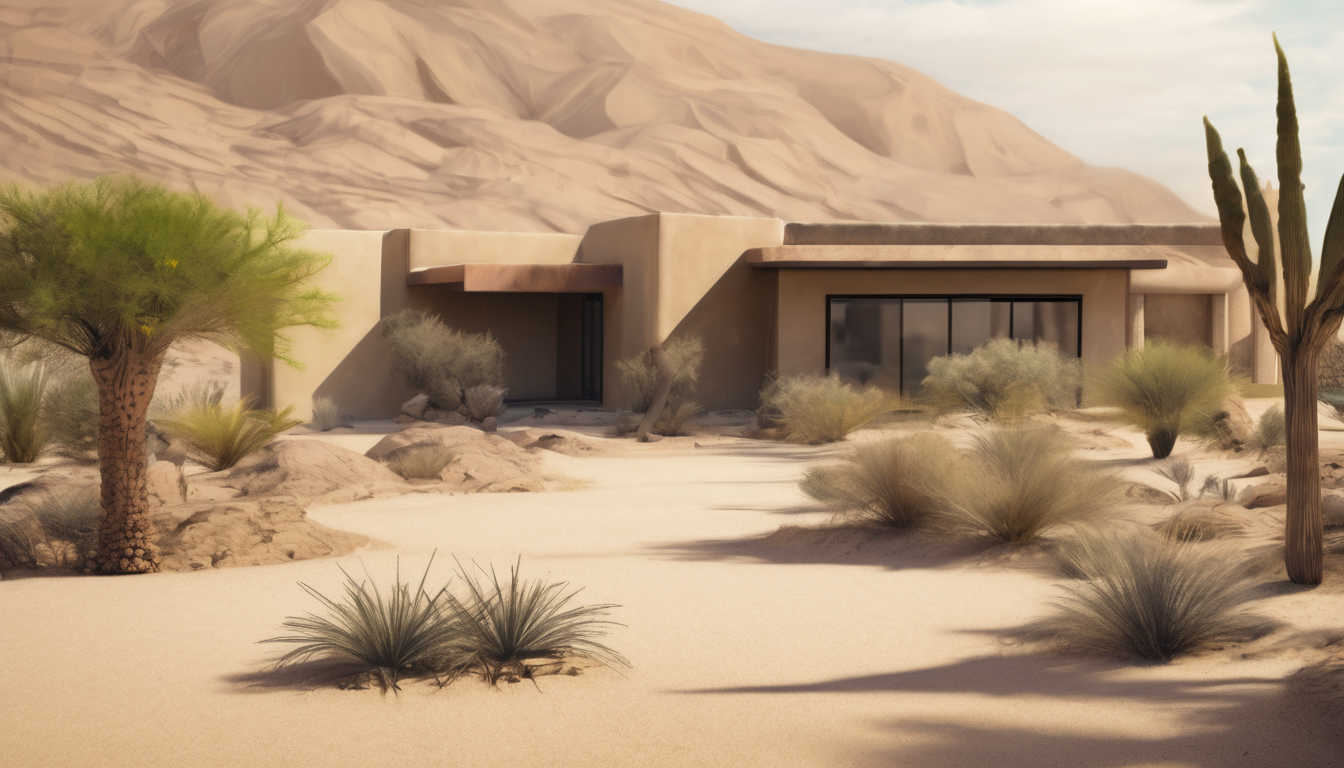

When it comes to landscaping in the harsh desert climates of the United Arab Emirates, designing with termite prevention in mind is crucial. The region’s unique environment demands specific strategies to prevent termite infestation, which can cause significant damage to properties. This guide will introduce you to 10 critical aspects of Designing Termite-Proof Landscapes in desert environments, ensuring your outdoor space is both beautiful and resilient against these silent destroyers.
Understanding the Challenge
In the UAE, termites find the desert climate to be as hospitable as the lush landscapes created around high-value properties. Designing termite-proof landscapes starts with a deep understanding of termite behavior, particularly how they exploit resources for survival in desert settings.
Choosing Termite-Resistant Plant Materials
The selection of plant species can significantly affect termite activity. Opt for native or adapted species that are less attractive to termites, reducing the risk of them becoming a bridge to your property.
Irrigation System Design
Termites are attracted to moisture. Designing your irrigation system to avoid water accumulation near structural foundations is key. Use drip irrigation systems and carefully plan the layout to keep soil moisture levels low around buildings.
Using Barriers and Shielding
Physical barriers, such as metal or concrete, can be effective in preventing termites from accessing critical areas of your property. Additionally, incorporating termite shields in the design of landscape features can deter termites from climbing over.
Mulching and Soil Treatment
Choosing the right mulch is crucial, as some types can attract termites. Opt for termite-resistant mulch options. Soil treatments with nematodes or fungi that target termites can also provide a natural defense mechanism.
Structural Integration
Integrating termite prevention into the architectural planning of outdoor features and buildings ensures a cohesive approach to termite-proofing. This includes considerations for decking, fencing, and other wooden structures.
Monitoring and Maintenance
Regular inspections and maintenance of the landscape and its features are essential for early detection of termite activity. Implementing a termite monitoring system within the landscape can help identify potential infestations early.
Collaboration with Experts
Working with pest control experts and landscape architects familiar with termite challenges in desert climates ensures a well-rounded approach to termite prevention. Their insights can refine design decisions and enhance landscape resilience.
Use of Technology in Landscape Design
Advancements in technology offer new ways to combat termite threats. Utilizing termite detection systems and environmentally friendly soil treatments can significantly reduce the risk of infestation without compromising the landscape’s aesthetic or ecological value.
Learning from Past Mistakes
Reviewing and analyzing previous termite infestations in similar environments can provide valuable lessons. Integrating these learnings into new designs can prevent repeat incidents, saving significant repair costs and protecting the environment.
In conclusion, creating termite-proof landscapes in the desert climates of the UAE involves a combination of informed plant selection, thoughtful irrigation design, physical barriers, and technological solutions. By applying these 10 strategies, property owners can significantly reduce the risk of termite infestation, preserving the beauty and integrity of their landscapes for years to come.
