

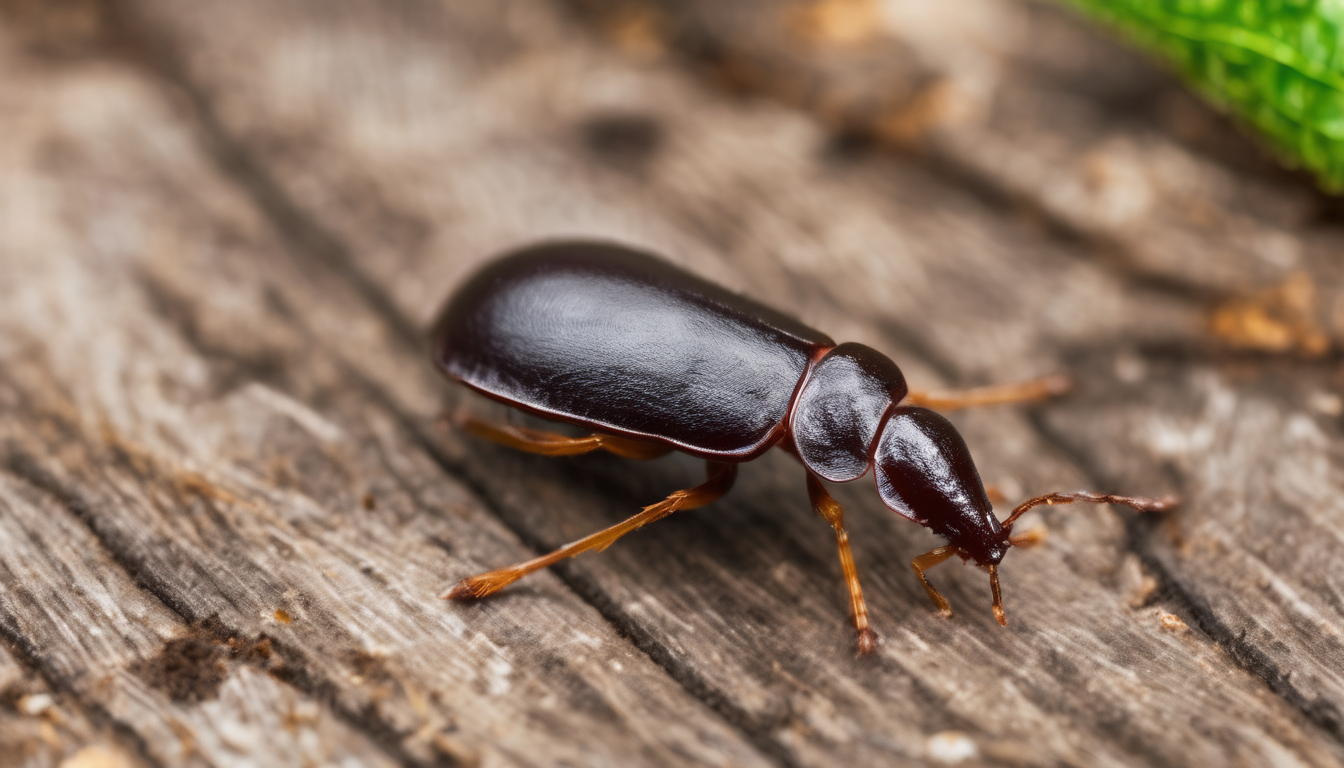

Effective pest management in nursery production begins with accurate identification and consistent monitoring of pest populations. Knowing How to Identify and monitor common nursery pests effectively is essential to prevent crop loss, minimize chemical use, and implement integrated pest management (IPM) successfully. This comprehensive how-to guide provides you with 10 practical steps to detect pest problems early, confirm pest species, and track their presence over time in nursery settings.
Whether managing aphids, whiteflies, thrips, or weevils, nursery operators need a systematic approach to pest scouting that combines visual inspection, use of tools, and record keeping. This article dives deep into effective methods for pest identification and monitoring, tailored for nursery professionals seeking to optimize their IPM practices.
Understanding How to Identify and Monitor Common Nursery Pests Effectively
Identification and monitoring of nursery pests are foundational components of a successful Integrated Pest Management (IPM) program in nursery production. Early and accurate detection of pests like aphids, whiteflies, thrips, scales, and weevils allows growers to take timely and targeted action before infestations become severe.
Monitoring, unlike reactive treatments, promotes proactive management by tracking pest populations and their dynamics. Combined with knowledge of pest biology and behavior, effective monitoring helps optimize the timing and method of control measures, reducing unnecessary pesticide use and safeguarding plant health.
Step 1: Preparing for Pest Identification and Monitoring
Before beginning, it is critical to assemble the right materials and develop a monitoring plan. Requirements typically include:
- A hand lens (10x magnification) or portable microscope for close inspection of small pests
- Field notebook or digital device to record observations systematically
- Identification guides or access to reliable online resources with pest photos and descriptions
- Sticky traps, yellow/blue sticky cards, or pheromone traps specific to certain pests
- Moisture meter and environmental data tools to measure conditions that favor pest development
- Protective gear and appropriate lighting for inspections
Planning a consistent inspection schedule tailored to crop type, pest lifecycle, and nursery conditions is equally important, establishing a baseline for comparison over time.
Step 2: Learning to Recognize Common Nursery Pests
Developing familiarity with the most frequent nursery pests is key to effective identification. Common pests include:
- Aphids: Small, soft-bodied insects often found in clusters on new growth or leaf undersides; produce sticky honeydew.
- Whiteflies: Tiny white flying insects visible when disturbed; adults and nymphs feed on sap causing leaf yellowing.
- Thrips: Minute slender insects that cause silvery streaks and distorted leaves.
- Scales: Immobile insects covered by waxy shells found on stems and leaves; associated with honeydew.
- Weevils: Beetle-shaped insects with elongated snouts whose larvae feed on roots, adults nibble leaves.
Use detailed photo guides and field identification keys from trusted sources to become proficient in visually distinguishing these pests at various life stages[1][3].
Step 3: Implementing Regular Inspection Schedules
Establishing systematic inspection intervals—daily, weekly, or biweekly depending on pest pressure and crop stage—is critical for timely detection. Inspect representative plants across different nursery zones methodically.
- Inspect new growth, leaf undersides, buds, stems, and root zones carefully.
- Sampling should be random but cover various microhabitats such as shaded, sunny, irrigated, and drier areas.
- Use a consistent inspection route and checklist to standardize data collection.
Keep an inspection calendar with records of findings to track pest population changes over time and identify trends.
Step 4: Utilizing Pest Monitoring Tools and Traps
Traps complement visual scouting by capturing flying or crawling pests that are difficult to see. Key tools include:
- Sticky Cards: Yellow or blue sticky cards attract pests such as whiteflies, thrips, and fungus gnats catching adults for monitoring abundance.
- Pheromone Traps: Species-specific traps for particular beetles or moths can signal presence and peak emergence timing.
- Soil and Root Exam: For subterranean pests like weevil larvae, periodic root inspections and soil sampling are advised.
Regularly check, count, and replace traps; record results alongside visual inspection data to build a comprehensive pest profile.
Step 5: Documenting and Mapping Infestations
Accurate documentation is vital for monitoring pest dynamics and making informed decisions. Use visual maps of the nursery to:
- Mark affected areas and pest hotspots.
- Track progression or retreat of infestations over time.
- Identify environmental or cultural factors correlated with pest presence.
Photographs of pest damage or pests themselves support diagnosis and communication with stakeholders or pest control advisors.
Step 6: Distinguishing Pest Damage from Other Issues
Not all plant damage is caused by pests; diseases, nutritional deficiencies, or abiotic stress can produce similar symptoms. To avoid misidentification:
- Look closely for actual pests or signs such as eggs, larvae, excrement, or webs.
- Identify the characteristic feeding patterns (e.g., skeletonized leaves from beetles, stippling from thrips).
- Correlate damage with environmental conditions and plant symptoms.
Properly diagnosing the cause prevents unnecessary pesticide applications and guides appropriate management.
Step 7: Integrating Beneficial Insect Monitoring
Monitoring natural enemies like lady beetles, lacewings, and predatory mites is critical to IPM success. Their presence often reduces pest populations naturally. Incorporate beneficial insect identification into your monitoring by:
- Using hand lenses and photo guides to distinguish beneficial species.
- Recording beneficial insect counts during routine inspections.
- Preserving habitats that support beneficial populations such as flowering borders.
Balancing pest and beneficial monitoring informs decisions to conserve biocontrol agents and reduce chemical use[4].
Step 8: Using Moisture and Environmental Data in Monitoring
Pest outbreaks often correlate with nursery microclimate factors like humidity, temperature, and irrigation patterns. Integrate environmental monitoring by:
- Measuring soil and foliar moisture levels using moisture meters.
- Recording temperature and humidity periodically during inspections.
- Adjusting irrigation and ventilation to reduce pest-friendly conditions.
Environmental data help predict when pests are likely to increase and enable preemptive adjustments to cultural practices to suppress pests effectively.
Step 9: Establishing Thresholds for Action
Not every pest found requires treatment. Establishing economic or aesthetic thresholds—levels at which pest populations cause unacceptable damage—ensures judicious interventions.
- Use published threshold guidelines for common pests where available.
- Consider pest species, crop sensitivity, growth stage, and market standards in threshold setting.
- Base treatment timing on threshold exceedance confirmed via monitoring data.
This step emphasizes the proactive use of monitoring to reduce unnecessary pesticide applications and maximize cost-effectiveness.
Step 10: Continuous Review and Improvement of Monitoring Practices
Effective pest monitoring is dynamic. Regularly review your methods and data to identify gaps or inconsistencies by:
- Training staff on updated pest identification and monitoring technologies.
- Analyzing historical data to detect seasonal pest trends.
- Adjusting inspection frequency, sampling techniques, or tools as needed.
Continuous refinement improves early pest detection, reduces crop losses, and enhances overall nursery IPM success.
Expert Tips for Effective Pest Identification and Monitoring
- Spend time getting familiar with pest life cycles to predict appearance and vulnerability stages.
- Use digital tools like mobile apps for capturing pest images and recording data in the field.
- Develop relationship networks with extension services or IPM specialists for pest confirmation and advice.
- Rotate trap locations regularly to cover different nursery zones comprehensively.
- Record non-pest observations (weather, plant stress) to better interpret monitoring results.
Conclusion
Mastering how to identify and monitor common nursery pests effectively requires systematic preparation, pest knowledge, consistent inspection, and thorough documentation. Following these 10 proven steps—from preparation, accurate pest recognition, and strategic use of traps, to integrating environmental data and beneficial insect surveillance—enables nursery producers to intervene proactively and sustainably. Continuous improvement of monitoring protocols and collaboration with experts ensure robust nursery IPM programs that safeguard plant health while minimizing pesticide reliance.
By implementing these actionable practices today, nursery managers can secure healthier crops, reduce costly pest damage, and contribute to more sustainable nursery production systems.
