

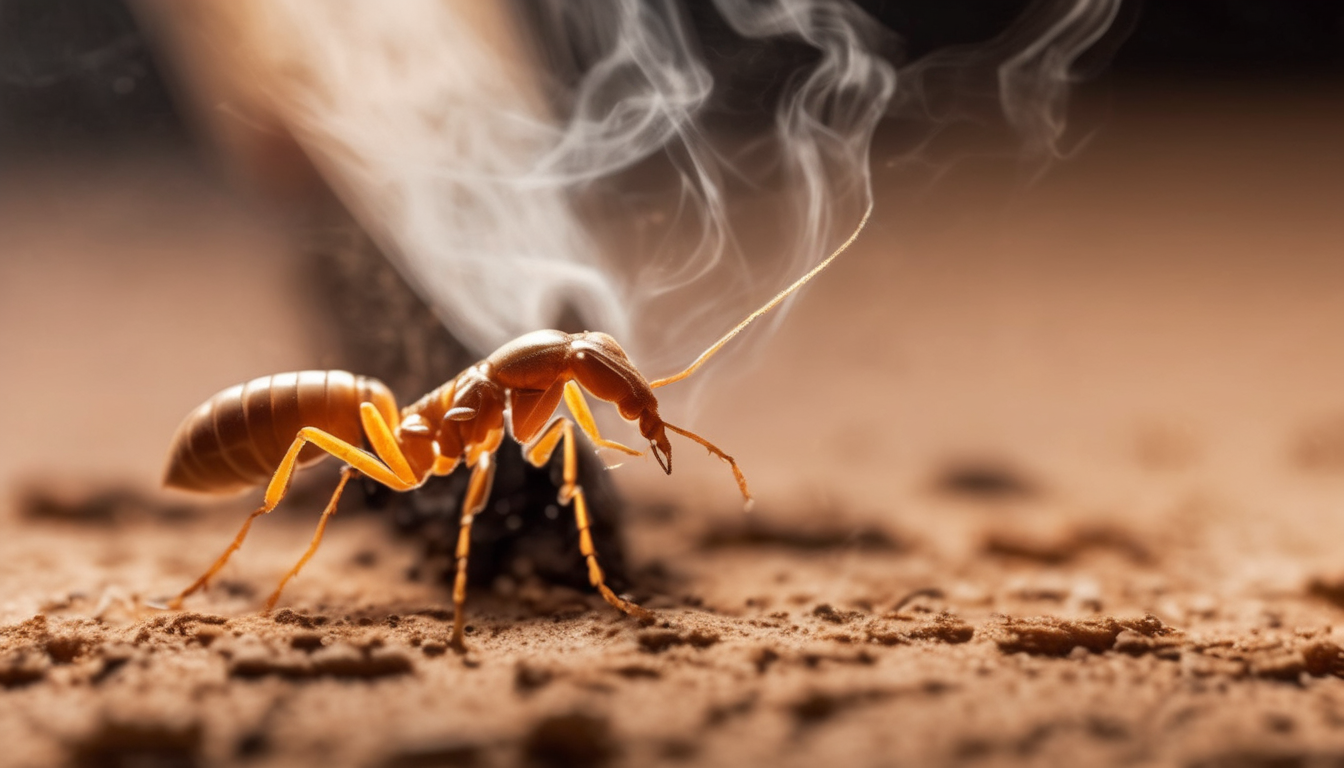

Termites cause significant structural damage worldwide, and understanding how heat treatment destroys termites is essential for homeowners and pest control professionals. This article provides a detailed scientific explanation of the heat treatment process, discusses optimal temperature and exposure times, compares heat treatment with chemical and baiting termite control methods, and offers pricing guidance along with preparation and post-treatment advice, particularly relevant for properties in Dubai.
Heat treatment has emerged as a powerful, chemical-free termite control method that kills all life stages of the termite colony by raising temperatures to lethal levels within the infested structures or materials. Learning the scientific principles behind this technique helps in understanding its effectiveness and limitations, enabling better decision-making for termite management.
Understanding How Heat Treatment Destroys Termites: Scientific Principles Explained
Heat treatment eliminates termites primarily through the application of lethal temperatures that disrupt biological functions critical to termite survival. Unlike chemical treatments, heat acts physically and biologically to induce mortality across all termite castes — adults, larvae, and eggs.
Mechanisms of Termite Mortality Under Heat
- Protein Denaturation and Tissue Damage: Elevated temperatures cause proteins and enzymes within termite cells to denature and lose function, leading to irreversible cellular damage.
- Dehydration: Heat rapidly removes moisture from termite bodies, damaging their cuticle and internal systems, which termites cannot survive.
- Nervous System Failure: Heat stress disrupts nervous system functions, impairing movement, feeding, and colony maintenance behaviors essential for survival.
- Death of Symbiotic Microorganisms: Termites rely on symbiotic gut bacteria to digest cellulose. Heat exposure kills these microbes, effectively starving termites even if they survive initial heat shock.
Scientific studies indicate that termites start dying immediately when exposed to temperatures above approximately 45°C, with higher temperatures leading to faster and more complete mortality. Heat penetrates wood and structural materials, killing termites hidden deep within.
Temperature Penetration and Uniformity
Achieving uniform temperature distribution inside walls, furniture, and timber is critical. Heat is introduced via industrial heaters and circulated with fans to ensure the wood core reaches lethal temperatures, typically around 50-60°C, sustained for a continuous period to guarantee 100% kill rates.
Optimal Temperature and Exposure Time for Termite Heat Treatment
Research combined with commercial application experience has established key temperature and duration parameters that ensure effective termite eradication:
- Temperature Range: 48.9°C to 60°C (120°F to 140°F) is widely accepted. The California Department of Consumer Affairs and multiple field studies agree on a minimum of 49°C (120°F) sustained to kill drywood termites reliably.
- Exposure Time: Maintaining the lethal temperature for at least 30 minutes to 1 hour is necessary to penetrate all infested material and destroy all life stages of termites.
Specifically, experts recommend heating to 54.4°C (130°F) for one hour to ensure no termite survives the treatment. Slightly higher temperatures reduce exposure time but risk heat damage to sensitive materials.
Prolonged heating at these levels allows thermal energy to penetrate deeply, including inaccessible galleries inside wood and wall voids where termites reside, ensuring complete mortality rather than just surface-level extermination.
Comparing Heat Treatment with Chemical and Baiting Termite Control Methods
Unlike chemical barriers or baiting systems which may require repeated applications and rely on termite foraging behavior, heat treatment offers unique advantages and some limitations:
| Aspect | Heat Treatment | Chemical Treatment | Baiting Systems |
|---|---|---|---|
| Effectiveness | Kills all termite castes and life stages during one treatment | May require multiple applications; slower colony effect | Slow acting; relies on termites consuming bait |
| Environmental Safety | Chemical-free; no residue or contamination | Uses active chemicals; potential environmental concerns | Low chemical use; targeted delivery |
| Treatment Duration | Typically 6-8 hours for whole structure | Several days to weeks for full effect | Ongoing monitoring required |
| Preparation & Disruption | Requires removal of heat-sensitive items; limited occupant disruption | May require temporary relocation to avoid chemical exposure | No occupant disruption |
| Cost | Moderate to high (see Pricing guide below) | Variable; often lower upfront | Variable; long-term monitoring expenses |
Heat treatment’s non-chemical, fast-acting nature makes it increasingly preferred for sensitive environments and when a quick result is needed. However, it is best suited for drywood termites rather than subterranean species nesting deep underground.
Preparation Steps and Post-Treatment Care for Heat-Treated Properties
Successful heat treatment requires thorough preparation and post-treatment management:
Preparation
- Remove or protect heat-sensitive items such as electronics, plastics, candles, and delicate furnishings.
- Seal vents and openings to maximize heat retention and prevent heat loss.
- Clear clutter and furniture arrangement to allow uniform heat circulation.
- Coordinate with pest professionals for inspection and site readiness.
Post-Treatment Care
- Avoid introducing new sources of moisture that can lead to reinfestation, such as leaking irrigation or plumbing.
- Inspect for termite activity every 6 to 12 months to catch early signs of return.
- Consult pest professionals for structural repairs of damaged wood and routine preventive treatments if necessary.
- Maintain good ventilation and dryness inside the property to discourage termite recolonization.
Adhering to these steps enhances the longevity and effectiveness of heat treatment as a termite management solution.
Limitations and Challenges of Heat Treatment for Different Termite Species
While heat treatment excels against drywood termites, it has some limitations:
- Subterranean Termites: These termites build colonies underground and establish mud tubes to access food sources, often bypassing heated zones. Heat treatment cannot reliably reach subterranean nests without soil heating, limiting its effectiveness.
- Heat Sensitivity of Structure: Some materials and finishes may be damaged by heat exposure, requiring careful planning and protective measures.
- Heat Penetration: Large structures with complex insulation or thick walls may prevent uniform heat distribution, risking survivor termites.
- Reinfestation Risk: Unlike chemical barriers, heat treatment does not leave residual protection; continuous monitoring is needed to detect future infestation.
These challenges underscore the importance of integrated pest management strategies tailored to termite species and building conditions.
Pricing Guide for Heat Treatment Termite Control
Heat treatment costs vary based on property size, infestation severity, accessibility, and local market conditions. Below is a general pricing breakdown for typical heat treatment termite control services:
| Property Size | Typical Cost Range (AED/USD Approx) | Factors Affecting Price |
|---|---|---|
| Small Villas / Single Rooms | AED 1,800 – 3,500 / $500 – $950 | Infestation extent, ease of access, treatment duration |
| Medium Villas / Multiple Rooms (100-200 sqm) | AED 3,500 – 7,000 / $950 – $1,900 | Number of heat units, preparation required, property complexity |
| Large Villas / Commercial Spaces (200+ sqm) | AED 7,000 – 12,000+ / $1,900 – $3,250+ | Multiple heating zones, structural intricacy, additional monitoring |
Additional Cost Factors:
- Preparation and Cleanup: Removal of sensitive items or furniture rearrangement may incur extra fees.
- Repeat Treatments: Usually not required, but cost if re-treatment is necessary due to survivor termites or reinfestation.
- Geographic Location: Urban versus remote areas or high-rise buildings may have logistical cost implications.
- Professional Expertise: Specialist operators with advanced thermal equipment and monitoring tools typically charge premium rates but deliver better outcomes.
Homeowners should request detailed quotes outlining scope, expected duration, and guarantees. A reputable provider also explains the scientific rationale behind the heat treatment strategy, instilling confidence in investment.
Key Takeaways on How Heat Treatment Destroys Termites: Scientific Principles Explained
- Heat treatment kills termites by protein denaturation, dehydration, nervous system failure, and destruction of symbiotic microorganisms essential for termite digestion.
- Maintaining wood core temperatures between 49°C and 60°C for 30 to 60 minutes ensures lethal conditions for all termite life stages.
- Heat treatment is a chemical-free solution with rapid action, suited primarily for drywood termite infestations.
- Preparation involves clearing and protecting heat-sensitive items, while post-treatment care focuses on moisture management and routine inspections.
- Heat treatment pricing depends heavily on property size, complexity, and professional expertise but generally ranges from AED 1,800 to AED 12,000 in Dubai and similar markets.
- Limitations include lower effectiveness against subterranean termites and the lack of residual protection, necessitating integrated pest management strategies.
By understanding how heat treatment destroys termites, property owners can weigh its advantages and limitations, enabling informed decisions for termite control that are effective, safe, and environmentally sensitive.
