

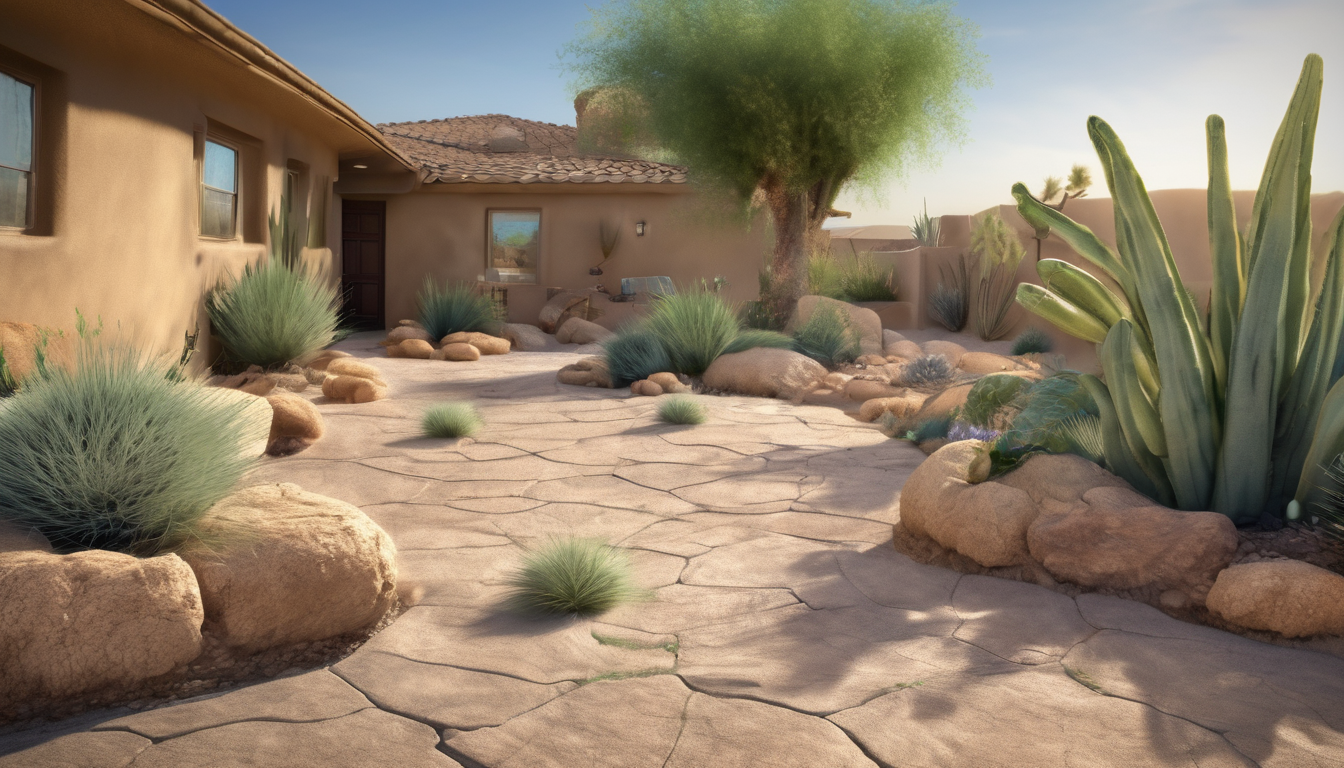

Designing Termite-Resistant Landscaping and irrigation for desert villas is a critical aspect of protecting homes in arid environments like Dubai. Subterranean termites, which thrive on moisture, exploit landscaping and irrigation setups to infiltrate structures, causing expensive damage. This article provides a thorough, comparison-based analysis of landscaping and irrigation approaches specifically tailored for desert villas, focusing on moisture control, pest pathways, and suitable plant selection. It complements broader termite management tactics, such as chemical treatment and inspection, by emphasizing how the external environment can be engineered to minimize termite risk.
Through an expert comparison of different landscaping and irrigation designs, you will gain a clear understanding of their termite-resistance effectiveness, practical benefits, and potential drawbacks, enabling informed decisions.
Understanding Designing Termite-Resistant Landscaping and Irrigation for Desert Villas
Termites, particularly subterranean species common in desert regions like Dubai, depend heavily on water as their primary survival factor. While concrete and other materials resist direct termite damage, termites exploit moisture sources and pathways to access wood and cellulose materials in buildings. In desert villas, irrigation and landscaping often create unintended bridges and moisture pockets that facilitate termite entry and colonization.
Designing termite-resistant landscaping and irrigation for desert villas means rethinking traditional garden layouts, plant choices, and watering methods with termite biology in mind. The goal is to minimize persistent soil moisture near foundations, eliminate direct contact between soil and structural wood, and allow routine inspection and monitoring with minimal disruption.
Optimizing Landscaping for Termite Resistance
Raised Planters Versus Ground-Level Planting
| Aspect | Raised Planters | Ground-Level Planting |
|---|---|---|
| Termite Risk | Lower risk: Soil moved away from direct building contact, better drainage, easier inspection | Higher risk: Potential soil-wood contact, moisture retention near foundation |
| Maintenance | Requires initial construction effort and ongoing checks for planter integrity | Less initial effort, but more frequent moisture and pest monitoring needed |
| Cost | Higher upfront costs for materials and labor | Lower installation cost; may increase due to termite damage repair |
| Aesthetic Flexibility | Supports designer landscaping and diverse plants with controlled environment | Supports naturalistic landscaping but potentially limits termite-safe plant choices |
Synthetic Mulch versus Natural Organic Mulch
Synthetic Mulch (plastic, rubber) suppresses termite-friendly moisture retention more effectively and avoids decay that attracts termites. However, it may raise heat levels harmful to some plants and appear less natural.
Natural Organic Mulch (wood chips, bark) enhances soil biology and plant health but holds moisture longer and can serve as a food source or bridge for termites if placed adjacent to structures.
Irrigation Systems for Minimal Termite Risk
Drip Irrigation vs. Spray/Irrigation Misting Systems
| Factor | Drip Irrigation | Spray/Mist Irrigation |
|---|---|---|
| Water Control Precision | High precision; targets root zones and minimizes surface moisture | Broad coverage; tends to wet soil surfaces and building facades |
| Termite Risk Impact | Lower risk by avoiding excessive surface moisture near foundations | Increases risk by keeping nearby soil and wood damp |
| Installation & Maintenance | More expensive and complex to install; easier to repair localized leaks | Lower cost initially; higher water use and potential for unnoticed leaks |
| Plant Growth Effectiveness | Highly efficient for desert plants; conserves water | Better for lawn or flower beds needing surface moisture |
Burying Irrigation Lines vs. Surface Installation
Burying irrigation lines reduces termite access pathways on or above soil and helps prevent leaks that create localized moisture pockets along foundations. Surface pipes, especially if damaged or leaking, increase termite risk and inspection difficulty.
Material and Plant Selection: Comparison of Common Approaches
Using Native Drought-Resistant Plants Versus Imported Ornamental Species
Native Plants: Adapted to arid conditions with low water needs, reducing irrigation frequency and moisture buildup. Root systems less likely to damage structures or create easy termite pathways. Promote local ecology and sustainability.
Imported Ornamentals: Often require regular watering, increasing soil moisture near foundations. More susceptible to irrigation system overuse, leading to termite-friendly environments. Can provide attractive landscapes but increase maintenance.
Hardscaping versus Extensive Softscaping
| Landscape Type | Hardscaping (Stone, Gravel, Pavers) | Softscaping (Lawns, Shrubs, Trees) |
|---|---|---|
| Moisture Retention | Minimal moisture retention; good drainage reduces termite habitat | Higher moisture retention; irrigation needed, potential termite habitat |
| Termite Habitat Risk | Lower risk; fewer organic materials to attract termites | Higher risk; organic matter and soil favor termite activity |
| Cost and Maintenance | Higher initial installation cost; lower ongoing water use and pest risk | Variable cost; higher water use and pest management needs |
Moisture Management Strategies in Landscaping and Irrigation
Drainage Systems: Surface and Subsurface Solutions
Proper grading and installation of drainage swales or French drains divert irrigation run-off and natural rainwater away from buildings. Subsurface drainage can also reduce moisture buildup in soil near foundations.
Irrigation Scheduling and Sensor Automation
Advanced irrigation controllers with soil moisture sensors can prevent overwatering and maintain dry soil conditions unfavorable to termites. Scheduling irrigation during early morning reduces evaporation but should avoid water pooling.
Regular Irrigation System Maintenance
Leak detection and timely repairs prevent hidden moisture zones. Routine inspections focusing on irrigation emitters closest to buildings help minimize termite habitat formation.
Integrating Barriers and Inspection in Exterior Design
Physical Barriers in Landscaping
Use of crushed stone or stainless steel mesh barriers near foundations interrupts termite travel paths. These materials do not retain moisture and allow visual checks for termite tubes or mud.
Space Between Soil and Wood Elements
Maintaining a minimum 12-inch gap between soil/planting beds and wood elements such as pergolas and cladding reduces termite bridging risks. Where landscaping is near structures, regular inspection access must be designed.
Incorporating Termite Monitoring Stations
Strategically placed bait stations near irrigation lines and landscaped zones allow early termite detection and control. Integration with landscaping aesthetics ensures monitoring can occur without disruption.
Verdict and Recommendations
Designing termite-resistant landscaping and irrigation for desert villas requires a multi-pronged approach, balancing aesthetic, environmental, and pest management priorities. Table summaries and comparisons highlight key decisions:
- Raised planters
- Drip irrigation
- Native drought-resistant plants
- Hardscaping
- Regular moisture management
- Physical barriers
- Drip irrigation
For desert villa owners seeking termite-resistance, the optimal strategy combines raised planters with native or drought-tolerant plants irrigated by drip systems, supported by thoughtfully designed drainage and physical barriers. This integrated system addresses termite biology and moisture dynamics effectively, reducing infestation risk while maintaining landscape beauty and sustainability.
Implementing these strategies steeped in evidence-based termite management principles can protect your investment long-term and minimize costly damage, illustrating the critical role of exterior design in termite control.
Expert Tips for Designing Termite-Resistant Landscaping and Irrigation for Desert Villas
- Map and monitor moisture sources carefully during design to avoid hidden irrigation leaks or drainage problems.
- Keep decorative planter boxes and wooden garden features well-separated from the villa foundation and soil.
- Train maintenance staff to recognize early termite signs like mud tubes around irrigation points or wood touching soil.
- Incorporate termite inspection access points in hardscape designs near high-risk irrigation zones.
- Engage professional pest control consultants during the landscaping planning phase for tailored Integrated Pest Management advice.
