

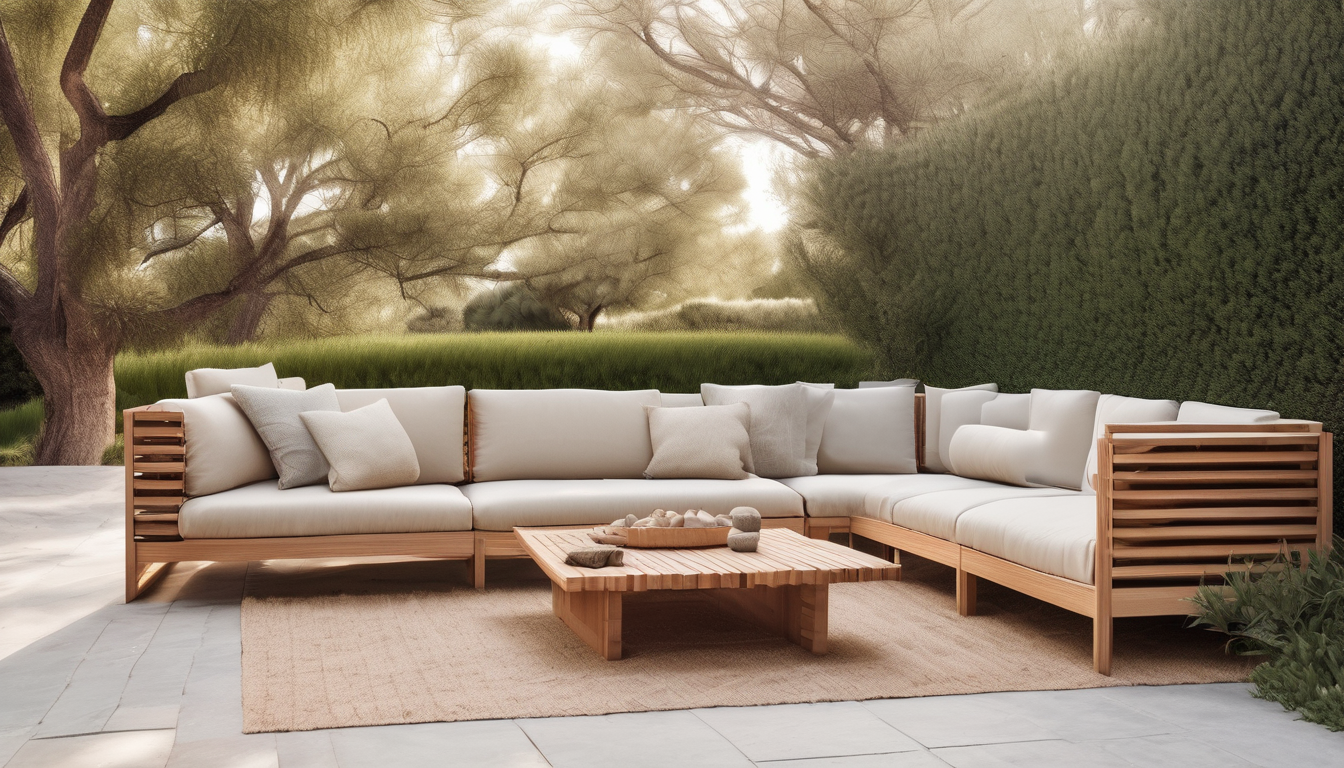

Selecting the Best Wood Types for termite-resistant outdoor furniture in Dubai begins with understanding how desert termite species interact with different materials in our harsh climate. The combination of irrigation-fed landscapes and imported wood furniture creates ideal conditions for subterranean termites to establish colonies and damage outdoor investments. Proper wood selection represents the first line of defence against these persistent pests.
Dubai’s outdoor furniture faces unique challenges beyond typical weather exposure. The irrigation systems that keep our gardens lush also create moisture pathways that termites follow directly to wooden structures. Understanding which woods naturally resist termite activity and which require additional protection helps homeowners make informed decisions that protect their outdoor living investments. This relates directly to Best Wood Types for Termite-Resistant Outdoor Furniture.
Best Wood Types for Termite-Resistant Outdoor Furniture – Understanding Dubai’s Termite Pressure on Outdoor Furniture
Dubai’s outdoor furniture faces constant pressure from native subterranean termite species that have adapted to desert conditions. These termites survive by following moisture sources, making irrigated gardens with wooden furniture prime targets. The combination of imported wood materials and our climate creates perfect conditions for termite establishment.
Termites in Dubai typically enter outdoor furniture from the ground up, following irrigation lines and moisture gradients. They favour woods with higher cellulose content and avoid naturally resistant species that contain protective oils or compounds. Understanding this behaviour helps in selecting the best wood types for termite-resistant outdoor furniture that can withstand local conditions.
How Termites Target Outdoor Wood in Desert Climates
Desert termite species like Psammotermes hybostoma have evolved to detect moisture gradients with remarkable precision. They follow irrigation lines, condensate drainage, and even morning dew patterns to locate wooden structures. Once they identify a food source, they establish mud tubes that protect them from Dubai’s extreme heat while allowing access to the wood.
These termites prefer woods with straight grain patterns and higher moisture content, making certain imported furniture varieties particularly vulnerable. The best wood types for termite-resistant outdoor furniture either naturally contain deterrent compounds or have dense cellular structures that termites cannot easily penetrate.
Best Wood Types for Termite-Resistant Outdoor Furniture – Naturally Termite-Resistant Wood Species for Dubai Gardens
Several wood species offer natural resistance to termite activity, making them excellent choices for Dubai’s outdoor conditions. Teak stands as the premier choice for termite-resistant outdoor furniture due to its high natural oil content and dense grain structure. These natural oils act as both moisture barriers and chemical deterrents against termite feeding.
Cedar represents another superior option among the best wood types for termite-resistant outdoor furniture. Its natural aromatic oils repel insects while providing resistance to moisture penetration. Cedar’s light weight makes it practical for frequently moved outdoor pieces while maintaining structural integrity against termite pressure.
Redwood offers natural resistance due to its tannin content and dense cellular structure. While less common in Dubai than teak or cedar, redwood provides excellent durability when properly maintained. These naturally resistant woods often come at premium prices but typically justify the investment through extended lifespan and reduced maintenance requirements.
Best Wood Types for Termite-Resistant Outdoor Furniture – Treated Wood Options for Termite Protection
Pressure-treated woods provide accessible alternatives among the best wood types for termite-resistant outdoor furniture for Dubai homeowners. These woods undergo industrial processes that force preservative chemicals deep into the cellular structure, creating lasting protection against termite infestation and fungal decay.
Modern pressure-treated woods use copper-based preservatives that offer excellent termite resistance without the environmental concerns of older arsenic-based treatments. These treatments protect the entire wood section, not just the surface, providing comprehensive defence even if the furniture suffers scratches or weather damage over time.
When selecting pressure-treated wood for outdoor furniture, look for products rated for ground contact or severe weather conditions. These treatments provide the highest level of protection and typically carry warranties against termite damage. Proper sealing after construction enhances both appearance and protection duration.
Composite and Alternative Materials
Composite materials represent innovative solutions among the best wood types for termite-resistant outdoor furniture options. These products combine wood fibres with plastic polymers to create materials that mimic wood appearance while providing complete resistance to termite damage and minimal maintenance requirements.
High-quality composites offer excellent durability against Dubai’s UV exposure and temperature fluctuations while eliminating termite food value entirely. They won’t splinter, crack, or require seasonal sealing like natural woods. While initially more expensive, composites often prove cost-effective through reduced maintenance and replacement costs.
Recycled plastic lumber provides another termite-proof alternative that has gained popularity in Dubai’s outdoor furniture market. These products offer complete insect resistance while supporting sustainability initiatives. They work particularly well for structural elements that contact the ground directly.
Wood Selection Considerations for Dubai’s Climate
Selecting the best wood types for termite-resistant outdoor furniture requires considering Dubai’s specific climate challenges beyond just termite resistance. The extreme summer heat, high UV exposure, and temperature variations between day and night all affect wood performance and longevity.
Woods with natural stability against expansion and contraction perform best in our climate. Teak and cedar naturally resist warping and cracking, while some imported woods may require additional stabilization treatments. The relationship between wood density and heat absorption also affects both comfort and material stress.
Consider the furniture’s placement within your outdoor space. Pieces directly on soil or near irrigation emitters require higher protection levels than those on patios or decking. Understanding these microenvironments helps select appropriate wood types and treatment levels for each furniture piece.
Protective Treatments and Maintenance Strategies
Even the best wood types for termite-resistant outdoor furniture benefit from additional protective treatments in Dubai’s demanding environment. Oil-based sealants penetrate deep into wood fibres, providing enhanced moisture resistance while maintaining natural wood appearance. These treatments typically require annual reapplication to maintain optimal protection.
Film-forming sealants create protective barriers on wood surfaces, offering excellent UV protection and moisture resistance. While effective, these coatings may require more frequent maintenance as they can crack or peel under extreme temperature fluctuations. The choice between penetrating and surface coatings depends on wood type and exposure conditions.
Regular maintenance inspections significantly extend furniture lifespan. Monthly checks for early termite activity, moisture accumulation, or finish deterioration allow timely interventions before significant damage occurs. Cleaning routines that remove organic debris prevent conditions that attract termites to your outdoor furniture investments.
Installation Techniques to Deter Termite Access
Proper installation methods complement the protection offered by the best wood types for termite-resistant outdoor furniture. Creating physical barriers between wood and soil prevents direct termite access. Metal stands, concrete pads, or plastic separators effectively break the connection while allowing drainage and air circulation.
Strategic placement away from moisture sources reduces termite attraction. Position furniture at least 30 centimetres from irrigation emitters, planters, or water features. Ensure adequate airflow around all sides to prevent moisture accumulation that might attract foraging termites from nearby colonies.
Regular inspection of the area beneath and around furniture helps detect early termite activity before damage occurs. Look for mud tubes, frass accumulation, or changes in wood appearance that might indicate subterranean termite activity. Early detection allows professional intervention before structural damage compromises your furniture.
Expert Tips for Maintaining Termite-Resistant Outdoor Furniture
Implement these professional strategies to maximise protection for your outdoor furniture investments:
Conduct monthly visual inspections during cooler months when termite activity increases. Look for mud tubes along furniture legs or beneath seats. Pay particular attention to areas where wood contacts other surfaces or where moisture might accumulate.
Maintain a clean zone around furniture pieces. Remove leaf litter, organic mulch, and other cellulose materials that might attract termites or provide bridging points from soil to wood. A bare soil or gravel perimeter of 15-20 centimetres provides an effective monitoring zone.
Reapply protective sealants before peak termite season. Dubai’s termite activity typically increases during moderate temperatures in spring and autumn. Fresh sealant applications provide maximum protection during these high-activity periods.
Elevate furniture during landscape irrigation. If possible, move pieces away from direct water exposure during irrigation cycles. This simple practice significantly reduces the moisture content that termites require for successful colony establishment.
Schedule professional inspections annually. Even the best wood types for termite-resistant outdoor furniture benefit from expert evaluation. Certified technicians can identify early signs of activity that homeowners might miss and recommend targeted treatments if necessary.
Frequently Asked Questions
What are the most termite-resistant woods for Dubai outdoor furniture?
Teak, cedar, and redwood offer the highest natural resistance to Dubai’s termite species. These woods contain natural oils and compounds that deter termite feeding. Pressure-treated woods provide excellent artificial resistance through deep chemical protection that lasts for years with proper maintenance.
How often should I treat outdoor furniture for termite protection?
Naturally resistant woods typically require annual sealant applications to maintain their protective qualities. Pressure-treated woods may need resealing every two to three years depending on exposure conditions. Always follow manufacturer recommendations for specific wood types and treatment products.
Can termites damage composite furniture materials?
High-quality composite materials contain no cellulose content that termites can consume, making them completely resistant to termite damage. However, termites may still build mud tubes on composite surfaces if they detect moisture or food sources nearby, though they cannot actually consume the material.
How do I check my outdoor furniture for termite activity?
Look for mud tubes running along furniture legs or beneath joints. Tap wood surfaces listening for hollow sounds that might indicate internal damage. Probe suspicious areas with a sharp tool to check for compromised structural integrity. Professional inspections provide the most accurate assessment.
What makes Dubai’s climate particularly challenging for outdoor furniture?
Extreme temperature fluctuations, high UV exposure, and irrigation-driven moisture patterns create unique challenges. Termites exploit irrigation moisture to reach wooden structures, while sun exposure accelerates wood deterioration. These factors necessitate careful wood selection and maintenance strategies.
Conclusion
Selecting the best wood types for termite-resistant outdoor furniture requires understanding both material properties and Dubai’s unique environmental pressures. Naturally resistant woods like teak and cedar offer excellent protection, while pressure-treated options provide accessible alternatives with proven performance. Composite materials deliver complete termite resistance with minimal maintenance requirements.
Regardless of material choice, proper installation, regular maintenance, and professional inspections remain essential components of comprehensive termite protection. By combining appropriate material selection with vigilant care practices, Dubai homeowners can enjoy beautiful outdoor furniture that withstands both our climate and persistent termite pressures for years to come. Understanding Best Wood Types for Termite-Resistant Outdoor Furniture is key to success in this area.
