

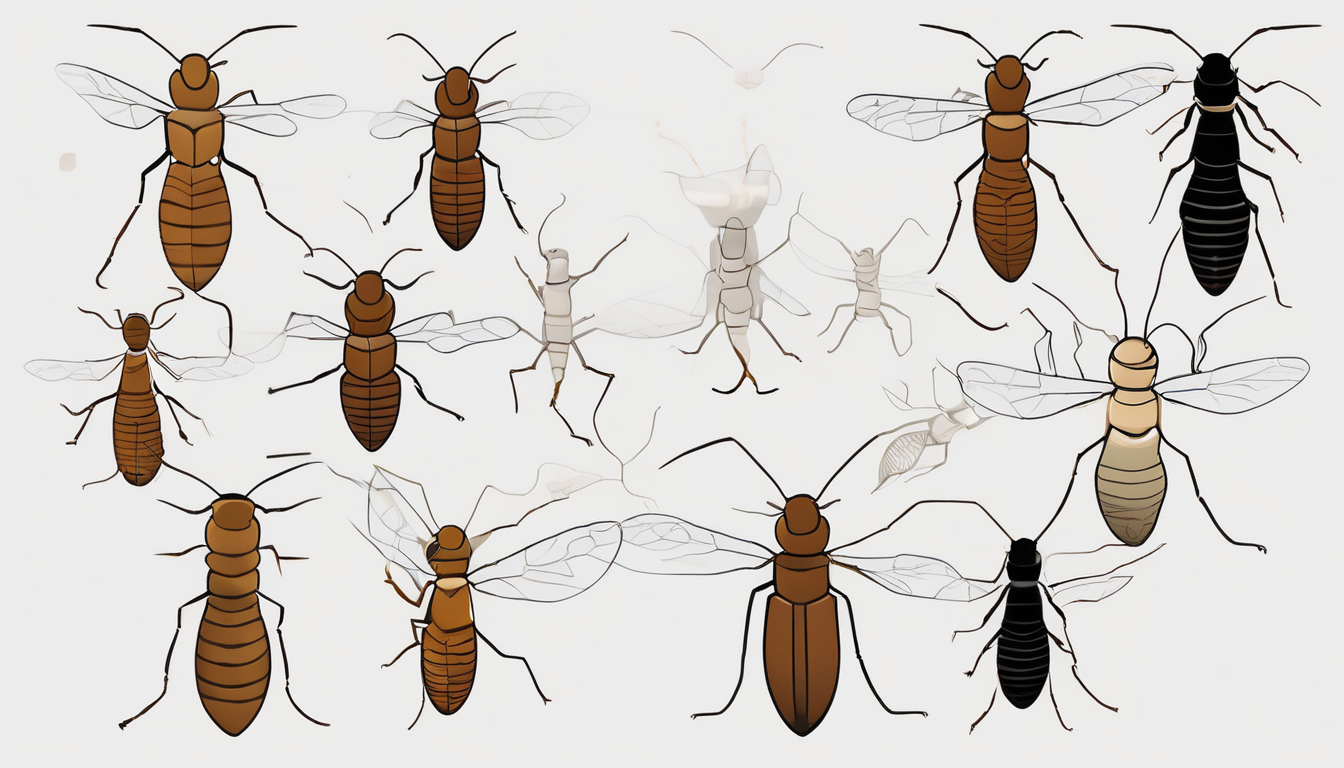

Discovering winged insects emerging from your bathroom sink, window frames, or foundation cracks can be alarming for any Dubai homeowner. This comprehensive Subterranean Termite Swarmers identification guide provides the technical knowledge needed to accurately identify these reproductive termites and understand what their presence means for your property. As Head of Operations at Saniservice Dubai, I’ve conducted thousands of termite inspections across the UAE and developed specific identification protocols for our desert climate conditions.
The appearance of subterranean termite swarmers represents a critical moment in termite colony development and often indicates an established infestation within or near your property. This subterranean termite swarmers identification guide will walk you through the biological characteristics, behavioural patterns, and environmental indicators that distinguish termite swarmers from other flying insects commonly found in UAE homes. Proper identification is the first step toward implementing effective control measures.
Throughout this subterranean termite swarmers identification guide, we’ll examine the anatomical features that differentiate termites from ants, discuss the specific swarming patterns observed in Dubai’s climate, and provide practical inspection techniques that homeowners can implement. Understanding these identification principles will help you make informed decisions about when professional intervention is necessary and what type of treatment approach will be most effective for your situation.
Subterranean Termite Swarmers Identification Guide – Biology of Subterranean Termite Swarmers
Subterranean termite swarmers, known scientifically as alates, represent the reproductive caste within termite colonies. These winged termites develop when a colony reaches maturity, typically between 3-5 years of age, and environmental conditions become favourable for establishing new colonies. In Dubai’s specific ecosystem, the most common species producing swarmers include Psammotermes hybostoma and various Microcerotermes species, each with slightly different swarming behaviours and physical characteristics.
The primary biological function of subterranean termite swarmers is colony reproduction and expansion. After emerging from their parent colony, these winged reproductives engage in a nuptial flight, during which they pair with mates from other colonies. Following successful pairing, they shed their wings—a behaviour known as dealation—and seek suitable locations to establish new colonies. This biological imperative drives them toward moisture-rich environments, which explains their frequent appearance in bathrooms, near plumbing fixtures, and around irrigation systems in UAE properties. This relates directly to Subterranean Termite Swarmers Identification Guide.
Developmental Timeline
The development of subterranean termite swarmers follows a precise biological timeline influenced by temperature, humidity, and colony nutrition. In Dubai’s climate, colonies typically begin producing swarmers during the cooler winter months, with actual emergence occurring when specific environmental triggers align. The entire process from egg to reproductive adult takes approximately 10-12 months, meaning swarmers observed today resulted from reproductive decisions made by the colony nearly a year earlier.
Subterranean Termite Swarmers Identification Guide – Physical Identification Characteristics
Accurate physical identification of subterranean termite swarmers requires examination of several key characteristics. Mature swarmers measure approximately 6-8 millimetres in length, including wings, with bodies typically appearing dark brown to black. Their most distinguishing feature is their four equally sized wings that extend significantly beyond their abdomen—usually about twice the body length. These wings are membranous and feature a complex venation pattern that differs noticeably from the veining found in ant wings. When considering Subterranean Termite Swarmers Identification Guide, this becomes clear.
The antennae of subterranean termite swarmers present another critical identification feature. Unlike ants, which have elbowed or bent antennae, termite antennae are straight and bead-like, consisting of multiple segments of approximately equal size. The waist section of termites is another differentiator—termites have a broad waist with no constriction between the thorax and abdomen, while ants display a pronounced pinched waist. This structural difference becomes particularly evident when examining specimens that have shed their wings.
Wing Characteristics
The wings of subterranean termite swarmers deserve particular attention in any identification process. All four wings are of equal length, a feature that immediately distinguishes them from flying ants, which have forewings longer than hind wings. Termite wings are also relatively fragile and break off easily, which explains why homeowners often find discarded wings near windowsills, light sources, or plumbing fixtures. These discarded wings frequently provide the first physical evidence of termite activity before homeowners ever see the actual insects. The importance of Subterranean Termite Swarmers Identification Guide is evident here.
Subterranean Termite Swarmers Identification Guide – Behavioral Patterns and Swarming Triggers
Subterranean termite swarmers exhibit distinct behavioural patterns that aid in their identification. Swarming typically occurs during specific times of day, often in the morning hours following rainfall or in the evening when temperatures moderate. This mass emergence behaviour serves as a survival strategy, overwhelming predators through sheer numbers and increasing the likelihood that some pairs will successfully establish new colonies. In Dubai’s climate, these swarms are often triggered by changes in barometric pressure combined with optimal temperature and humidity levels.
The flight behaviour of subterranean termite swarmers differs significantly from that of flying ants. Termites typically display poor flying skills, often described as “fluttering” or “drifting” rather than directed flight. They are strongly attracted to light sources, which explains their tendency to accumulate near windows, light fixtures, and television screens. This phototactic behaviour frequently leads them into bathrooms and kitchens, where they may emerge from sinks, drains, or plumbing access points that provide both moisture and light attraction. Understanding Subterranean Termite Swarmers Identification Guide helps with this aspect.
Post-Swarming Behaviour
After the nuptial flight, subterranean termite swarmers exhibit specific post-swarming behaviours that aid identification. They intentionally break off their wings along predetermined fracture lines, leaving behind piles of discarded wings that serve as telltale signs of termite activity. The dealated reproductives then seek dark, moist environments to initiate mating and colony foundation. This behaviour drives them toward structural vulnerabilities in buildings—expansion joints, cracks in foundations, areas around plumbing penetrations, and spaces behind bathroom fixtures.
Dubai-Specific Swarming Considerations
The timing and intensity of subterranean termite swarming in Dubai follow patterns specific to our desert climate. While termites swarm year-round in tropical regions, Dubai experiences distinct seasonal peaks corresponding with our milder winter months from November through February. During this period, temperatures between 22°C and 28°C combined with higher humidity levels create ideal conditions for swarming activity. However, the extensive use of irrigation in landscaped communities can create microclimates that trigger off-season swarming events. Subterranean Termite Swarmers Identification Guide factors into this consideration.
Dubai’s construction methods and landscaping practices significantly influence subterranean termite swarming behaviour. The prevalence of imported hardwood in luxury interiors, extensive irrigation systems maintaining green spaces in arid conditions, and complex foundation designs with numerous penetration points all contribute to creating ideal termite habitats. Additionally, the concentration of moisture sources—from air conditioning condensate drainage to swimming pool overflow and decorative water features—provides the hydration necessary for swarmers to survive after landing and attempting to establish new colonies.
Urban Heat Island Effect
Dubai’s urban heat island effect creates unique microclimates that influence subterranean termite swarming patterns. Temperatures in developed areas can be several degrees warmer than surrounding desert, potentially extending the swarming season and increasing the frequency of swarming events. The warmth retained by concrete structures during cooler evenings provides additional thermal mass that can trigger swarming when it might not occur in natural desert environments. This effect is particularly pronounced in high-density communities with extensive hardscaping and limited natural ventilation. This relates directly to Subterranean Termite Swarmers Identification Guide.
Inspection and Detection Techniques
Effective inspection for subterranean termite swarmers requires systematic examination of both interior and exterior environments. Begin by examining light sources and windowsills for discarded wings, which often accumulate in small piles and provide concrete evidence of swarming activity. Use a flashlight to inspect dark areas around plumbing fixtures, under sinks, and behind appliances where moisture may attract dealated reproductives. Pay particular attention to areas where different building materials meet, as these junctions often provide entry points.
Exterior inspection should focus on identifying conditions that support termite colonies and facilitate swarming. Examine foundation walls for mud tubes—shelter tubes constructed from soil, saliva, and fecal matter that termites use to travel between their underground colonies and above-ground food sources. Check irrigation systems for leaks or overspray that creates saturated soil conditions ideal for termite survival. Inspect wooden structures, including fencing, decking, and outdoor furniture, for signs of damage or previous termite activity that might indicate nearby colonies. When considering Subterranean Termite Swarmers Identification Guide, this becomes clear.
Moisture Mapping
Advanced inspection techniques include moisture mapping using specialized meters that detect elevated moisture levels in building materials. Since subterranean termites require high humidity environments, areas with moisture readings above 18% often indicate potential termite activity or conditions conducive to infestation. Thermal imaging cameras can also detect temperature variations caused by moisture accumulation or termite metabolic heat within walls and structural voids. These non-invasive inspection methods are particularly valuable for detecting hidden activity before visible signs appear.
Prevention and Management Strategies
Preventing subterranean termite swarmer invasions requires addressing the environmental conditions that attract and support them. Begin by eliminating moisture sources through proper drainage, repairing leaking pipes, ensuring air conditioning condensate lines drain away from foundations, and maintaining irrigation systems to prevent oversaturation. Reduce soil-to-wood contact around the property by maintaining at least 150 millimetres of clearance between soil level and wooden elements of the structure. The importance of Subterranean Termite Swarmers Identification Guide is evident here.
Physical barriers can effectively prevent subterranean termite swarmers from accessing structures. Install fine mesh screens over ventilation openings, seal cracks and crevices in foundations, and ensure proper sealing around plumbing penetrations. Chemical barriers using non-repellent termiticides applied by licensed professionals provide long-term protection against colony establishment. For existing infestations, baiting systems placed around the property perimeter can eliminate colonies before they produce additional swarmers.
Landscape Management
Strategic landscape management plays a crucial role in subterranean termite swarmer prevention. Avoid stacking firewood or storing lumber against structures, as these provide both food sources and bridging points for termites. Maintain adequate clearance between vegetation and buildings to improve air circulation and reduce humidity accumulation. Consider using termite-resistant mulch materials in garden beds near foundations and ensure that irrigation systems are designed to direct water away from structures rather than toward them. Understanding Subterranean Termite Swarmers Identification Guide helps with this aspect.
Expert Identification Tips
Having conducted thousands of termite inspections across Dubai properties, I’ve developed specific identification techniques that homeowners can apply. First, always collect specimens for examination—use clear tape to capture intact insects or wings without damaging them. Examine the wings under good lighting: termite wings will show equal length and numerous small veins, while ant wings have fewer veins and unequal length. The antennae test remains one of the most reliable field identification methods—straight, bead-like antennae indicate termites, while elbowed antennae indicate ants.
Timing observations can provide important clues about insect identity. Subterranean termite swarmers typically emerge during specific weather conditions—often after rain events when humidity is high. They tend to appear suddenly in large numbers rather than as individual insects. If you observe insects emerging from baseboards, expansion joints, or plumbing penetrations rather than flying in from outdoors, you’re likely dealing with termites rather than ants. The presence of mud tubing anywhere on the property virtually confirms termite activity, even if swarmers themselves aren’t present. Subterranean Termite Swarmers Identification Guide factors into this consideration.
Documentation Techniques
Proper documentation assists professional identification when you require expert consultation. Take clear photographs of the insects from multiple angles, including close-ups of wings, antennae, and body segments. Capture images of the area where they were found, including any discarded wings, mud tubes, or damage signs. Note the date, time, weather conditions, and specific location of the sighting. This information helps professionals determine whether you’re observing a seasonal swarming event or evidence of an established infestation requiring immediate treatment.
Frequently Asked Questions
How quickly should I respond to subterranean termite swarmer sightings? Immediate response is crucial. Swarmers indicate a mature colony nearby that may already be causing structural damage. Professional inspection should occur within 24-48 hours to assess the situation and prevent further colony expansion. This relates directly to Subterranean Termite Swarmers Identification Guide.
Can I treat subterranean termite swarmers myself with store-bought insecticides? While surface sprays may kill visible swarmers, they address only the symptom, not the underlying colony. DIY treatments often drive termites deeper into structures, making professional eradication more difficult and costly. Colony elimination requires specialized equipment and materials available only to licensed professionals.
How much does professional subterranean termite treatment cost in Dubai? Treatment costs vary based on property size and infestation severity, typically ranging from AED 1,500 for basic inspection and treatment to AED 8,000 or more for comprehensive colony elimination and barrier installation in larger villas. When considering Subterranean Termite Swarmers Identification Guide, this becomes clear.
Are subterranean termite swarmers dangerous to humans or pets? Swarmers do not bite, sting, or carry diseases. Their primary concern is the structural damage caused by their parent colony and the potential for new colonies to establish in your property. The shed wings can trigger allergic reactions in sensitive individuals, so proper cleanup is recommended.
How often should I have my Dubai property inspected for termites? Annual professional inspections are recommended for most properties, with semi-annual inspections advised for homes with previous termite activity, extensive landscaping, or historical preservation status. Regular monitoring helps detect activity before significant damage occurs. The importance of Subterranean Termite Swarmers Identification Guide is evident here.
This subterranean termite swarmers identification guide provides the technical foundation for recognising and responding to termite reproductive activity in Dubai properties. Proper identification enables informed decision-making about when professional intervention is necessary and what type of treatment approach will be most effective. Remember that swarmers represent the visible evidence of established colonies—their presence warrants immediate professional assessment to protect your property investment from structural damage.
