

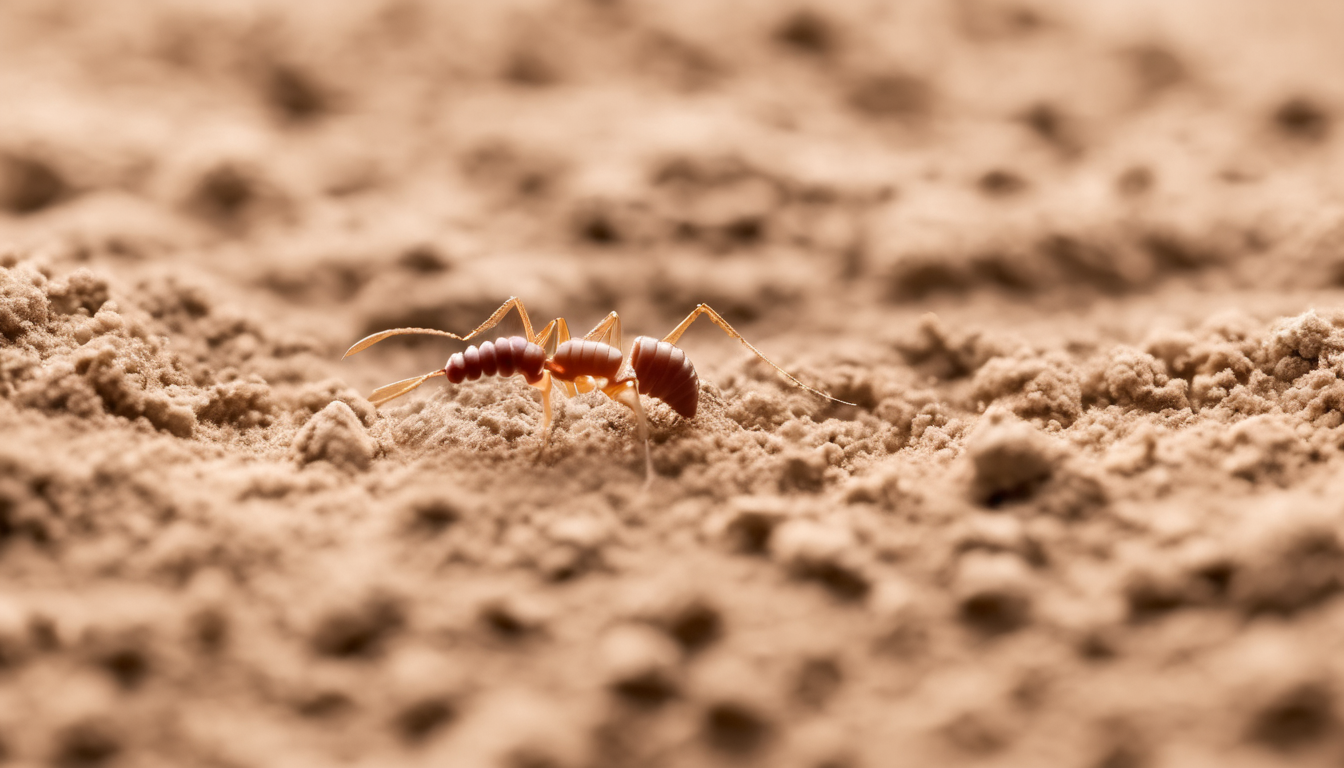

Termite treatment methods for UAE soil conditions require specialised approaches due to the region’s unique environmental factors. The sandy soil composition, extreme heat, and extensive irrigation systems common across Dubai and the Emirates create distinct challenges that demand tailored solutions. Effective termite treatment methods for UAE soil conditions must account for rapid water percolation through sandy substrates, high evaporation rates, and the way termites exploit irrigation networks to survive in arid environments. Unlike temperate regions where soil moisture is more consistent, UAE conditions require precision application and monitoring to ensure treatment longevity and effectiveness.
The most effective Termite Treatment Methods for UAE soil conditions combine chemical barriers, baiting systems, and physical modifications based on thorough inspection findings. Success depends on understanding how subterranean termites navigate Dubai’s sandy soils, locate moisture sources, and establish foraging pathways into structures. Professional termite treatment methods for UAE soil conditions must address both the immediate infestation and the environmental factors that enable termite survival in this challenging climate.
Termite Treatment Methods For Uae Soil Conditions – Understanding UAE Soil Characteristics
UAE soil conditions present unique challenges for termite treatment methods that professionals must address systematically. The predominantly sandy composition with low organic content affects how termiticides disperse and persist in the environment. Sandy soils allow rapid water percolation, which can carry chemical treatments deeper than intended or dilute them more quickly than in clay-based soils. This characteristic necessitates higher concentration applications or more frequent retreatments in many Dubai properties.
The particle size distribution in UAE soils varies from fine sands in coastal areas to coarser mixtures in inland regions, each requiring different application techniques. Soil pH levels typically range from 7.5 to 8.5, which can affect the stability and effectiveness of certain termiticides. Understanding these soil characteristics is essential for selecting appropriate termite treatment methods for UAE soil conditions and ensuring long-term protection against subterranean termite colonies.
Soil Composition Analysis
Before implementing any termite treatment methods for UAE soil conditions, professionals should conduct basic soil analysis around the structure. Simple tests can determine sand-to-silt ratios, compaction levels, and moisture retention capabilities. This information guides decisions about termiticide selection, application rates, and placement depth to create effective chemical barriers that withstand Dubai’s environmental conditions.
Termite Treatment Methods For Uae Soil Conditions – Chemical Barrier Treatment Methods
Chemical barrier treatment methods represent the most common approach to termite control in UAE soil conditions, but they require specific adaptations for local environments. Non-repellent termiticides such as fipronil and imidacloprid have proven effective in sandy soils because they allow termites to tunnel through treated zones without detection, transferring the active ingredient throughout the colony. These compounds bind effectively to sand particles while maintaining their toxicity to termites, making them well-suited for UAE conditions.
Application techniques for chemical barrier treatment methods must account for Dubai’s rapid drainage characteristics. Professionals typically use higher concentrations and increased volumes per linear metre to ensure adequate soil saturation and persistence. Trenching and rodding methods are employed around foundations, with particular attention to areas where irrigation lines, drainage systems, or construction details might create termite access points into the structure.
Termiticide Selection Criteria
Selecting the right termiticide for UAE soil conditions involves evaluating soil binding capacity, water solubility, and degradation rates under high temperatures. Products with moderate soil adsorption and low water solubility tend to perform best in sandy environments, providing longer residual control despite frequent irrigation and high evaporation rates. Dubai Municipality-approved termiticides should always be used to ensure compliance with local regulations and environmental safety standards.
Termite Treatment Methods For Uae Soil Conditions: Baiting System Adaptations
Baiting systems require significant adaptations to function effectively within termite treatment methods for UAE soil conditions. The extreme surface temperatures during Dubai summers can affect bait matrix stability and palatability, while low natural foraging pressure in arid soils may delay colony discovery of monitoring stations. Professionals must place bait stations strategically near moisture sources such as irrigation emitters, air conditioning condensate drains, or shaded garden areas where termite activity is more likely.
Monitoring intervals for baiting systems in UAE conditions typically need to be more frequent than in temperate climates due to rapid bait consumption during peak activity periods and the need to replace dried-out matrices. Advanced systems with remote monitoring capabilities have proven particularly valuable in Dubai’s climate, reducing the need for physical inspections during extreme weather conditions while providing real-time data on termite activity patterns.
Bait Station Placement Strategy
Effective bait station placement in UAE conditions focuses on creating interception zones between known termite nesting areas and the structure. Stations should be installed at 3-5 metre intervals around the perimeter, with additional units placed in gardens, under decking, and near wooden landscape features. The sandy soil allows for easy installation but may require stabilisation around stations to prevent shifting during irrigation or rare rainfall events.
Physical Barrier Solutions
Physical barrier solutions complement chemical and baiting approaches within comprehensive termite treatment methods for UAE soil conditions. Stainless steel mesh barriers installed during construction provide permanent protection by creating impenetrable zones around foundation penetrations, expansion joints, and utility entries. These systems are particularly effective in sandy soils where termites must navigate around obstacles rather than through them, making detection easier during routine inspections.
Aggregate barriers using specially graded granite or basalt chips create mechanical obstacles that termites cannot tunnel through efficiently. When installed around foundations and under slab constructions, these physical barriers force termites to build detectable mud tubes over the surface, making infestations more visible during property inspections. The durability of physical barriers makes them well-suited to UAE conditions where long-term solutions are preferred over repeated chemical applications.
Barrier Integration Techniques
Integrating physical barriers with other termite treatment methods for UAE soil conditions requires careful planning around existing structures. For retrofit applications, professionals may use combination systems that incorporate chemical treatment zones with physical barriers at critical entry points. This approach provides immediate protection while establishing long-term defensive measures that reduce future chemical dependency, particularly important in sensitive environments or properties with limited access for retreatment.
Moisture Management Strategies
Moisture management represents a critical component of effective termite treatment methods for UAE soil conditions, as subterranean termites depend on consistent water sources to survive Dubai’s arid climate. Irrigation system modifications often provide the most significant impact, including redirecting emitter spray away from foundations, fixing leaking irrigation lines, and ensuring proper drainage around structures. Reducing soil moisture near buildings eliminates the hydration sources that enable termite colonies to establish foraging networks in otherwise inhospitable sandy soils.
Air conditioning condensate management requires particular attention in UAE termite treatment methods, as the constant water production during summer months creates ideal conditions for termite survival. Proper drainage away from foundations, combined with regular maintenance to prevent blockages and overflows, significantly reduces termite attraction to structures. Landscaping adjustments that improve air circulation and sunlight exposure around building perimeters further help dry out soil areas that might otherwise support termite activity.
Irrigation Scheduling Adjustments
Professional irrigation scheduling forms an essential part of termite treatment methods for UAE soil conditions. Timing irrigation for early morning hours allows maximum evaporation during daylight, reducing prolonged soil moisture around foundations. Drip irrigation systems should be positioned at least 30 centimetres from foundation walls, with regular inspections to ensure proper operation and immediate repair of any leaks that could create termite-friendly conditions.
Monitoring and Maintenance Protocols
Ongoing monitoring and maintenance protocols ensure the long-term effectiveness of termite treatment methods for UAE soil conditions. Quarterly inspections are recommended for most Dubai properties, with increased frequency during peak termite activity periods from March to June and September to November. Monitoring should include thorough examination of foundation perimeters, inspection of monitoring stations, and assessment of soil moisture levels around the structure.
Maintenance requirements for termite treatment methods in UAE conditions include periodic reapplication of soil termiticides as determined by professional assessment of residual effectiveness. Bait stations require regular servicing to replace consumed matrices and maintain proper function despite extreme temperatures. Physical barriers need annual inspections to ensure they remain intact and properly sealed around all penetration points, with repairs conducted as needed to maintain continuous protection.
Documentation and Reporting
Comprehensive documentation supports effective implementation of termite treatment methods for UAE soil conditions. Detailed records of application rates, placement locations, and environmental conditions during treatment help professionals make informed decisions about maintenance needs and retreatment schedules. Property owners should receive clear reports explaining the methods employed, expected outcomes, and recommended follow-up actions to maintain termite protection.
Expert Tips for UAE Termite Treatments
Implementing successful termite treatment methods for UAE soil conditions requires attention to specific details that professionals have learned through extensive field experience. These expert recommendations can significantly improve treatment outcomes and long-term protection for Dubai properties.
- Conduct thorough soil analysis before selecting termiticides to ensure compatibility with local conditions
- Increase application rates by 15-20% compared to temperate climate recommendations to account for rapid percolation
- Focus treatment efforts on the northern and eastern sides of structures where soil moisture tends to persist longer
- Install additional monitoring stations near air conditioning condensate outlets and irrigation control valves
- Schedule retreatments during cooler months when termiticides have better persistence in soil
- Use combination approaches that integrate chemical, physical, and cultural control methods
- Maintain detailed records of all treatments to identify patterns and improve future strategies
- Educate property owners about moisture management to reduce termite attraction between professional treatments
Frequently Asked Questions
How often should termite treatments be reapplied in UAE conditions?
Chemical barrier treatments typically require reapplication every 3-5 years in UAE conditions, though this varies based on soil type, irrigation patterns, and termiticide selection. Regular monitoring helps determine the optimal retreatment schedule for each specific property situation.
Are baiting systems effective in Dubai’s extreme heat?
Modern baiting systems have been specifically engineered for high-temperature environments like Dubai, with improved matrix stability and moisture retention capabilities. Strategic placement in shaded areas and more frequent monitoring ensure effectiveness despite challenging climate conditions.
What is the average cost for termite treatment in UAE villas?
Professional termite treatment for a typical Dubai villa ranges from AED 2,500 to AED 7,000 depending on property size, construction type, and treatment method selection. Comprehensive approaches that include soil treatment, baiting systems, and physical barriers represent the most effective long-term investment.
Can termites develop resistance to treatments in UAE conditions?
While termites can develop resistance to certain chemicals over time, professional termite treatment methods for UAE soil conditions typically use non-repellent termiticides with multiple modes of action to prevent resistance development. Rotation of active ingredients and combination approaches further reduce this risk.
Effective termite treatment methods for UAE soil conditions require specialised knowledge of local environmental factors and termite behaviour patterns. By understanding how sandy soils, extreme temperatures, and irrigation systems affect treatment performance, professionals can develop comprehensive strategies that provide lasting protection for Dubai properties. The most successful approaches combine chemical barriers, baiting systems, physical barriers, and moisture management tailored to each property’s specific conditions and termite pressure levels.
