

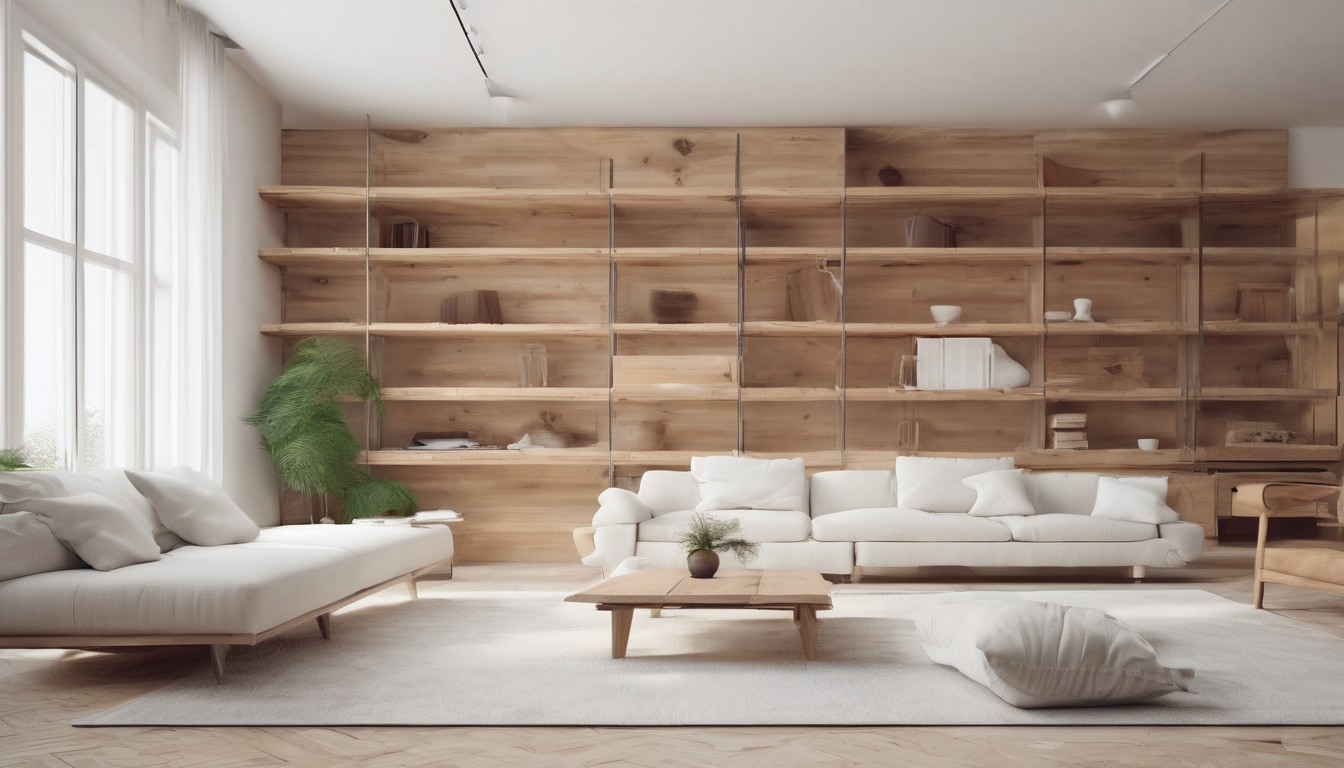

Selecting the right termite-resistant wood types for UAE furniture is not just about aesthetics—it’s a critical defense strategy against the region’s persistent subterranean termite species. In my years as Head of Operations at Saniservice Dubai, I’ve witnessed how furniture choices directly impact termite vulnerability in homes across Emirates Hills, Palm Jumeirah, and Dubai Hills Estate. The UAE’s unique combination of imported landscaping, irrigation practices, and sandy soil creates ideal conditions for termites to locate and attack wooden furniture. Understanding Termite-Resistant Wood Types for UAE furniture becomes essential knowledge for any homeowner, interior designer, or property manager operating in Dubai and surrounding emirates.
The challenge with termite-resistant wood types for UAE furniture lies in balancing natural resistance properties with practical considerations of cost, availability, and aesthetic preferences. Many clients initially focus on visual appeal without considering how termite behavior in our region differs from other climates. Desert-adapted termite species in the UAE have evolved specific strategies for locating moisture and cellulose sources, making certain wood types more vulnerable than others. This guide will walk you through the most effective termite-resistant wood types for UAE furniture, treatment methods, and maintenance practices that have proven successful in protecting investments from Bur Dubai to Abu Dhabi.
Understanding Termite-Resistant Wood Types for UAE Furniture
Termite-resistant wood types for UAE furniture function through either natural chemical composition or artificial treatment processes. Naturally resistant woods contain compounds that termites find unpalatable or toxic, while treated woods undergo processes that embed protective chemicals throughout the cellulose structure. In Dubai’s environment, where termites actively seek moisture sources near air conditioning units and irrigation systems, the selection of appropriate termite-resistant wood types for UAE furniture becomes particularly important for ground-floor residences and villas with direct soil contact.
The effectiveness of termite-resistant wood types for UAE furniture depends on understanding local termite behavior. UAE termite species, particularly Psammotermes hybostoma, have adapted to desert conditions and exhibit different feeding preferences than tropical species. They preferentially attack woods with higher moisture content and softer cellulose structures. This means that termite-resistant wood types for UAE furniture must address both the natural attractiveness of the wood itself and the environmental conditions that make furniture vulnerable to infestation.
How Termites Identify Wood Sources
Termites locate wood through moisture gradients and chemical signals. In UAE homes, they often follow condensation trails from AC units or irrigation moisture to discover furniture pieces. Termite-resistant wood types for UAE furniture work by either masking these chemical signals or making the wood physically unpalatable once contacted. The most successful approaches combine resistant wood selection with environmental management to reduce overall attraction.
Termite-resistant Wood Types For Uae Furniture – Naturally Termite-Resistant Wood Species for UAE Conditions
Several wood species demonstrate natural resistance that makes them excellent choices for termite-resistant wood types for UAE furniture. Teak stands as the premier selection, with its natural oils and silica content creating a protective barrier that UAE termites typically avoid. In my inspections across Jumeirah and Arabian Ranches properties, teak furniture consistently shows significantly less termite damage compared to other woods. The density and chemical composition of teak make it one of the most reliable termite-resistant wood types for UAE furniture, though its premium price point positions it as an investment-grade selection.
Spanish cedar represents another effective option among termite-resistant wood types for UAE furniture. Its aromatic oils naturally repel insects while providing pleasant scent characteristics. I’ve observed Spanish cedar cabinets and chests in Dubai Marina apartments that remained termite-free for decades despite surrounding infestation issues. The wood’s moderate cost and workability make it popular for custom furniture projects throughout the UAE. Other naturally resistant species include white oak, with its high tannin content, and redwood, though the latter requires careful sourcing to ensure quality.
Regional Availability Considerations
When selecting termite-resistant wood types for UAE furniture, consider availability through local suppliers. Dubai’s wood import market offers various options, but transportation and storage conditions affect quality. I recommend inspecting wood upon delivery for moisture content and checking supplier credentials. Woods stored in humid conditions before installation may develop moisture problems that reduce their natural termite resistance properties.
Treated Wood Options for Termite Protection in UAE Furniture
Pressure-treated woods provide accessible termite-resistant wood types for UAE furniture at various price points. The treatment process forces preservative chemicals deep into the wood cell structure, creating protection that lasts for years. For UAE conditions, I recommend looking for woods treated with borate compounds, which provide excellent protection against desert termite species while maintaining low toxicity for household occupants. These treated termite-resistant wood types for UAE furniture work particularly well for outdoor pieces, basement furnishings, and any furniture near moisture sources.
Chemical treatment processes vary in effectiveness for termite-resistant wood types for UAE furniture. ACQ (Alkaline Copper Quaternary) treated wood offers good protection but may have greenish coloration that affects aesthetics. Micronized copper treatments provide similar protection with less color impact, making them suitable for visible furniture applications. In my work with Dubai furniture manufacturers, I’ve found that properly treated pine and fir can perform as well as naturally resistant woods at a fraction of the cost, making them practical termite-resistant wood types for UAE furniture for budget-conscious projects.
Treatment Certification Standards
When selecting treated termite-resistant wood types for UAE furniture, look for certification marks indicating proper treatment penetration and retention levels. The UAE Standardization and Metrology Authority (ESMA) provides guidelines for treated wood products. Ensure your supplier can demonstrate compliance with these standards for guaranteed protection.
Wood Avoidance Strategies for UAE Furniture Selection
Some wood species consistently underperform as termite-resistant wood types for UAE furniture and should be avoided or specially protected. Pine, spruce, and fir in their untreated forms attract termites rapidly in UAE conditions. I’ve documented numerous cases in Discovery Gardens and Motor City where untreated pine furniture became infestation centers within months of installation. These woods contain starches and sugars that termites readily detect and exploit, making them poor choices for termite-resistant wood types for UAE furniture without comprehensive treatment.
Birch, maple, and beech also rank low as termite-resistant wood types for UAE furniture due to their palatability and moisture retention characteristics. In villas with high humidity levels—common near Dubai Creek or waterfront properties—these woods attract termites quickly. If you must use these species for aesthetic reasons, combine them with professional preventive treatments and environmental controls. I recommend against using these woods for structural furniture elements or pieces that will have contact with floors or walls where termites might access them.
Alternative Material Considerations
For maximum protection, consider non-wood alternatives that mimic the appearance of termite-resistant wood types for UAE furniture. High-quality laminates, composites, and metal furniture frames provide termite immunity while offering design flexibility. Many Dubai furniture showrooms now offer excellent alternatives that visually match wood while providing superior protection in termite-prone areas.
Professional Treatment Methods for Existing Wood Furniture
Existing furniture can be upgraded to perform like termite-resistant wood types for UAE furniture through professional treatment applications. Borate spray treatments penetrate wood surfaces to create protective barriers that termites cannot cross. In my operations at Saniservice, we use specialized equipment to force borate solutions deep into wood pores, providing protection that lasts 5-10 years depending on environmental conditions. This approach effectively transforms vulnerable woods into termite-resistant wood types for UAE furniture without replacing entire pieces.
Heat treatment offers another method for creating termite-resistant wood types for UAE furniture from existing pieces. Specialized heating chambers raise wood temperature to levels that kill any existing termites and make the wood less palatable to future invaders. While this method doesn’t provide chemical protection, it significantly reduces attractiveness to termites. For antique or valuable furniture in Emirates Palace or heritage properties, this non-chemical approach preserves historical integrity while providing protection.
Treatment Application Protocols
Professional treatment of existing furniture requires careful preparation and application. Woods must be clean and dry before treatment, and finishes may need temporary removal for proper penetration. Post-treatment, we recommend specific maintenance routines to maintain protection levels. These processes can typically be completed in 1-2 days with minimal disruption to household activities.
Maintenance Practices for Termite-Resistant Wood Furniture
Even the best termite-resistant wood types for UAE furniture require proper maintenance to retain their protective properties. Regular cleaning with appropriate products maintains surface integrity and prevents moisture accumulation that can attract termites. I advise clients in humid areas like Deira and Bur Dubai to use dehumidifiers near wood furniture collections and avoid placing pieces directly against exterior walls where condensation may occur.
Inspection routines form a critical part of maintaining termite-resistant wood types for UAE furniture. Every three months, carefully examine furniture legs, backs, and undersides for signs of termite activity—particularly mud tubes or frass deposits. For valuable pieces, consider professional inspections every six months. Early detection allows for targeted treatment that preserves the furniture and prevents colony establishment. These maintenance practices complement the inherent protection of termite-resistant wood types for UAE furniture.
Environmental Modification Strategies
Beyond furniture maintenance, modify the environment to support your termite-resistant wood types for UAE furniture. Ensure proper drainage around properties, fix leaking pipes immediately, and maintain air conditioning drip lines to prevent moisture accumulation. These measures reduce overall termite pressure and help your furniture maintain its protective qualities longer.
Cost Comparison of Termite-Resistant Wood Types for UAE Furniture
The investment in termite-resistant wood types for UAE furniture varies significantly by material and treatment level. Naturally resistant woods like teak represent the premium category, with dining sets ranging from AED 8,000 to AED 25,000 depending on size and craftsmanship. Spanish cedar falls in the mid-range at AED 4,000 to AED 12,000 for comparable pieces. These termite-resistant wood types for UAE furniture offer long-term value through natural protection and durability.
Treated woods provide more affordable termite-resistant wood types for UAE furniture, with prices typically 40-60% lower than natural alternatives. A treated pine dining set might cost AED 2,500 to AED 6,000, while professional treatment of existing furniture ranges from AED 500 to AED 2,000 per piece depending on size and complexity. When evaluating termite-resistant wood types for UAE furniture, consider both initial cost and potential savings from avoided termite damage and treatment expenses.
| Wood Type | Price Range (AED) | Protection Level | Maintenance Requirements |
|---|---|---|---|
| Teak | 8,000-25,000 | Excellent | Low |
| Spanish Cedar | 4,000-12,000 | Very Good | Moderate |
| Treated Pine | 2,500-6,000 | Good | Moderate |
| Professional Treatment | 500-2,000 | Good | Annual Inspection |
Expert Tips for Selecting Termite-Resistant Wood Furniture
Based on thousands of inspections across the UAE, I’ve developed specific recommendations for selecting termite-resistant wood types for UAE furniture. First, prioritize furniture legs and bases—these contact points provide termite access routes, so ensure they use the most resistant materials. Second, consider the furniture’s location—pieces near kitchens, bathrooms, or exterior walls require higher protection levels. Third, verify treatment certifications when purchasing pretreated termite-resistant wood types for UAE furniture.
Fourth, integrate furniture protection with overall termite management—even the best termite-resistant wood types for UAE furniture benefit from environmental controls and monitoring systems. Fifth, establish relationships with reputable suppliers who understand UAE termite challenges—local knowledge significantly improves selection outcomes. Finally, budget for professional inspections—annual checks by qualified technicians provide peace of mind and early detection of any issues.
Implementation Timeline
When incorporating termite-resistant wood types for UAE furniture into your home, phase the implementation based on risk priority. Begin with pieces in high-moisture areas and those with ground contact, then address remaining furniture over time. This staged approach manages costs while systematically reducing vulnerability.
Frequently Asked Questions
How long do termite-resistant wood types for UAE furniture typically last?
Properly selected and maintained termite-resistant wood types for UAE furniture can last decades. Naturally resistant woods like teak often remain functional for 25+ years, while treated woods provide 10-15 years of protection before potentially needing re-treatment.
Can I make existing furniture termite-resistant?
Yes, professional treatments can upgrade existing furniture to perform like termite-resistant wood types for UAE furniture. Borate treatments and heat applications provide effective protection for pieces you wish to keep.
Are there eco-friendly termite-resistant wood types for UAE furniture?
Several options exist, including FSC-certified woods, borate-treated pieces (low toxicity), and naturally resistant species from sustainable sources. Many Dubai suppliers now offer environmentally conscious termite-resistant wood types for UAE furniture.
Conclusion
Selecting appropriate termite-resistant wood types for UAE furniture requires understanding both material properties and local termite behavior. The combination of naturally resistant species, proper treatment methods, and ongoing maintenance creates effective protection for your investment. By implementing the strategies outlined here—from teak selection to professional treatments—you can significantly reduce termite vulnerability in your Dubai home or property. Remember that the best approach combines resistant materials with environmental management and regular professional inspections for comprehensive protection.
