


Preventing Termite Reinfestation in Dubai kitchens presents unique challenges that require specialised understanding of local conditions. The combination of imported wood cabinetry, high humidity from cooking activities, and irrigation-fed landscaping creates ideal conditions for subterranean termites to establish colonies and repeatedly attack kitchen structures. In my fifteen years as a termite specialist in Dubai, I’ve observed that kitchens represent the most vulnerable area in many villas and apartments, with reinfestation rates exceeding 60% when proper preventive measures aren’t implemented.
This article details a real-world case of preventing termite reinfestation in Dubai kitchens through comprehensive analysis and strategic intervention. The property was a ten-year-old villa in Jumeirah with a custom European kitchen that had undergone three separate termite treatments over two years, each providing only temporary relief. The owners contacted our team after discovering fresh termite tubes emerging from beneath their kitchen island, despite having spent over AED 15,000 on previous treatments and partial cabinet replacements.
Our approach to preventing termite reinfestation in Dubai kitchens begins with understanding that visible termite activity is merely the symptom of deeper environmental and structural issues. Successful long-term prevention requires addressing the moisture sources that sustain colonies, the pathways that allow access, and the conditions that make kitchen environments particularly attractive to these persistent insects. This case study demonstrates how systematic investigation and targeted interventions can achieve permanent solutions for preventing termite reinfestation in Dubai kitchens.
Preventing Termite Reinfestation In Dubai Kitchens – Initial Investigation Findings
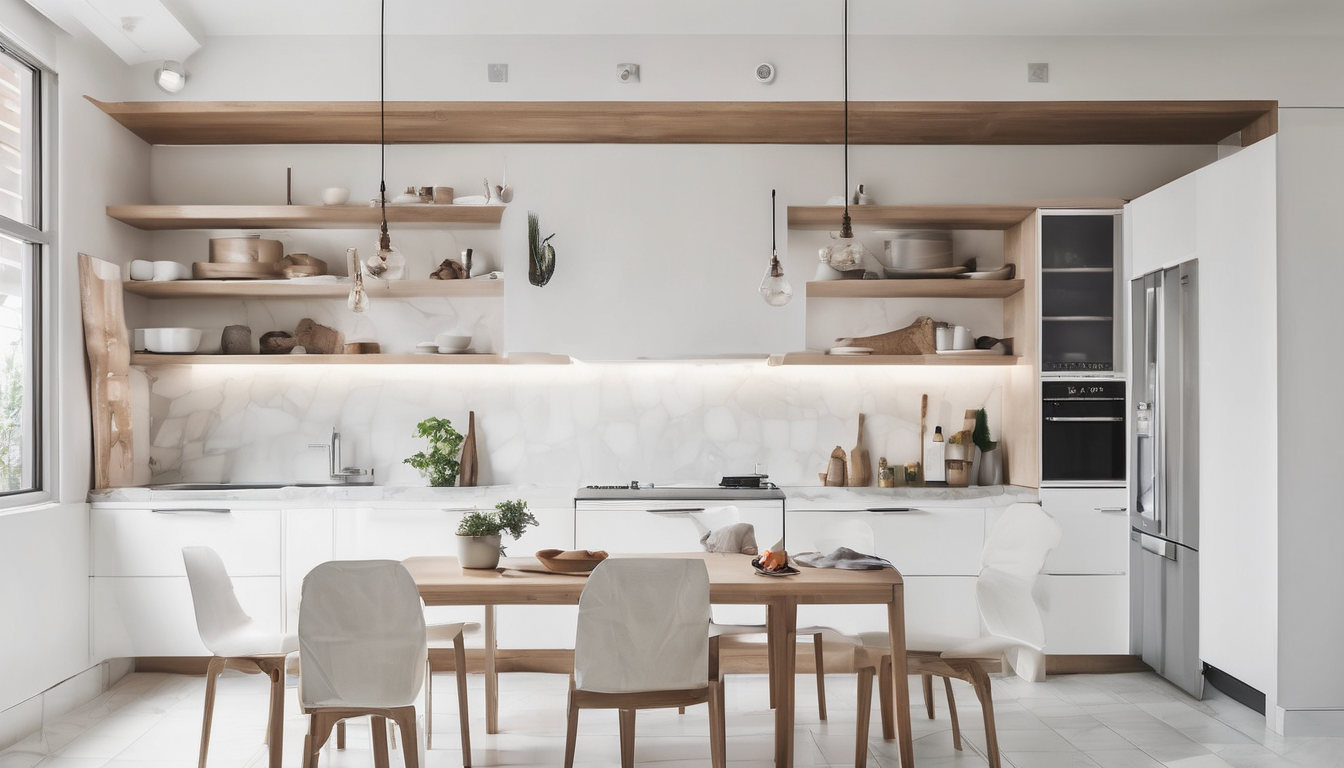
Our initial inspection for preventing termite reinfestation in Dubai kitchens revealed multiple concerning findings. The kitchen featured solid wood cabinetry from Italy, marble countertops, and a central island with decorative wood panelling. Visible termite tubes extended from the floor tiles along the back of the island, with fresh mud material indicating active infestation. Moisture readings showed concerning levels behind the refrigerator area and beneath the sink cabinet, with humidity levels reaching 85% in confined spaces.
Further investigation using borescopes revealed extensive termite damage within the wall cavities behind the cabinets, particularly along the exterior wall facing the garden. The damage pattern suggested termites were entering from the external garden area, travelling through the foundation, and accessing the kitchen through expansion joints in the tile work. This pattern is common in Dubai villas where irrigation systems maintain moist soil conditions that termites exploit to reach interior structures.
Preventing Termite Reinfestation In Dubai Kitchens – Moisture Mapping the Kitchen Environment
Preventing termite reinfestation in Dubai kitchens requires thorough moisture mapping to identify all water sources sustaining termite activity. Our thermal imaging and moisture meter analysis identified three critical moisture sources: condensation from the refrigerator compressor unit draining into the wall cavity, a slow leak from the dishwasher water connection, and elevated humidity from poor ventilation behind the cabinetry. Each of these created the 70-90% humidity levels that termites require for survival.
The external assessment revealed additional moisture issues contributing to the challenge of preventing termite reinfestation in Dubai kitchens. The garden irrigation system was programmed for daily watering, creating perpetually damp soil along the foundation wall. Downspouts from the roof drainage system discharged water within one metre of the kitchen wall, further saturating the soil. These external conditions provided ideal staging areas for termite colonies to develop before invading the kitchen structure.
Preventing Termite Reinfestation In Dubai Kitchens: Structural Pathways Analysis
Identifying and sealing structural pathways is fundamental to preventing termite reinfestation in Dubai kitchens. Our investigation revealed six primary entry points: expansion joints between the floor tiles and walls, plumbing penetrations through the foundation, electrical conduit routes, cracks in the mortar between foundation blocks, gaps around air conditioning refrigerant lines, and spaces between the marble countertop and the wall. Each pathway provided termites with hidden access routes into the kitchen cabinetry.
The construction details particular to Dubai villas created additional vulnerabilities for preventing termite reinfestation in Dubai kitchens. The floating floor design allowed space beneath the tiles for termite movement, while the cavity walls between the kitchen and exterior provided uninterrupted pathways. The imported wood cabinetry, while beautiful, lacked any termite-resistant treatment and connected directly to walls and floors, creating perfect feeding and nesting opportunities for subterranean termites.
Previous Treatment Failures Analysis
Understanding why previous treatments failed is crucial for preventing termite reinfestation in Dubai kitchens. The earlier approaches had focused exclusively on chemical barrier applications around the visible infestation areas, without addressing the underlying moisture issues or structural pathways. Treatment records showed applications of non-repellent termiticides directly to damaged wood, but no soil treatment around the foundation perimeter or addressing of the external moisture sources.
The cabinet replacements undertaken during previous attempts at preventing termite reinfestation in Dubai kitchens had actually worsened the situation. The new wood provided fresh feeding material, while the installation process created additional gaps and pathways around the new cabinetry. The treatments had been conducted as emergency interventions rather than part of a comprehensive strategy for preventing termite reinfestation in Dubai kitchens, ensuring temporary suppression rather than long-term resolution.
Integrated Prevention Strategy Implementation
Our integrated approach to preventing termite reinfestation in Dubai kitchens addressed all identified issues systematically. We began with moisture control measures: repairing the dishwasher leak, redirecting refrigerator condensation to proper drainage, improving kitchen ventilation, adjusting external irrigation to maintain drier soil near the foundation, and extending downspouts to discharge water further from the structure. These measures reduced the humidity that sustained termite colonies.
The structural modifications for preventing termite reinfestation in Dubai kitchens included sealing all identified pathways with stainless steel mesh and expanding foam designed for termite exclusion, installing physical barriers around plumbing penetrations, treating the soil around the entire foundation perimeter with a non-repellent termiticide, and applying borate treatments to all wood surfaces including the back sides of cabinets. We also installed termite monitoring stations around the property perimeter to detect future activity early.
Monitoring and Maintenance Protocol
Establishing ongoing monitoring is essential for preventing termite reinfestation in Dubai kitchens. We implemented a quarterly inspection protocol checking moisture levels behind appliances, examining monitoring stations, and using borescopes to view hidden spaces. The homeowners received training on signs to watch for, including mud tubes, frass accumulation, and changes in wood soundness when tapped. This proactive approach cost approximately AED 1,200 quarterly but provided early detection capabilities.
The maintenance recommendations for preventing termite reinfestation in Dubai kitchens included prompt repair of any plumbing leaks, ensuring proper ventilation during cooking, immediate cleanup of water spills, regular checking of appliance condensation systems, and vegetation management to maintain clearance between plants and the external walls. We also advised against storing firewood or cardboard boxes in kitchen areas, as these provide additional food sources that can attract termites from the surrounding environment.
Results and Long-Term Success
The comprehensive approach to preventing termite reinfestation in Dubai kitchens produced excellent results. Within three months, all termite activity had ceased, with monitoring stations showing no further foraging. The moisture levels in the kitchen environment normalized, remaining below 60% humidity even during peak summer months. The homeowners reported no signs of reinfestation through eighteen months of follow-up monitoring, representing the longest termite-free period since the initial infestation was discovered.
The total investment for preventing termite reinfestation in Dubai kitchens in this case was AED 28,500, including the initial treatment, structural modifications, and twelve months of monitoring service. While higher than the previous piecemeal treatments, this comprehensive approach provided permanent resolution rather than temporary suppression. The property value protection and peace of mind justified the investment, particularly given the high replacement cost of the custom kitchen cabinetry, estimated at over AED 120,000.
Expert Prevention Tips for Homeowners
Based on this case and hundreds similar, I recommend these essential practices for preventing termite reinfestation in Dubai kitchens. First, maintain at least 45 cm clearance between soil or mulch and any wood structures around your kitchen exterior. Second, fix all plumbing leaks within 24 hours – even minor drips create ideal termite conditions. Third, ensure your kitchen ventilation system functions properly, particularly during cooking when humidity levels spike.
Fourth, conduct monthly visual inspections focusing on areas beneath sinks, behind appliances, and along baseboards. Fifth, avoid storing cardboard boxes or paper products in kitchen cabinets as these attract termites. Sixth, consider installing termite monitoring stations around your property perimeter for early detection. Seventh, ensure external irrigation systems don’t water within 60 cm of your foundation walls. Eighth, schedule professional inspections annually, as trained technicians can identify early signs homeowners might miss.
Frequently Asked Questions
How long does professional termite treatment last in Dubai kitchens? Properly implemented treatments with ongoing monitoring can provide permanent protection, but this depends on addressing moisture issues and structural pathways. Chemical barriers typically remain effective for 5-8 years in UAE soil conditions.
Can I prevent termites without using chemicals? While physical barriers and moisture control help, complete preventing termite reinfestation in Dubai kitchens usually requires some chemical intervention, particularly in high-risk areas. Modern termiticides have low toxicity to humans and pets when properly applied.
How much should I budget for preventing termite reinfestation in Dubai kitchens? Comprehensive prevention programs typically range from AED 15,000 to AED 35,000 depending on kitchen size, construction type, and extent of modifications required. Ongoing monitoring adds AED 1,000-1,500 quarterly.
Are certain kitchen materials more resistant to termites? Solid wood cabinets are most vulnerable. Metal frameworks, composite materials, and properly treated woods offer better resistance. However, termites will still exploit any material if moisture and access conditions are favourable.
Preventing termite reinfestation in Dubai kitchens requires understanding that these insects exploit specific environmental conditions and structural vulnerabilities. Through comprehensive moisture management, pathway exclusion, and ongoing monitoring, homeowners can protect their kitchen investments from these destructive pests. The case study demonstrates that while the initial investment may be higher than quick-fix treatments, the long-term protection and peace of mind justify the comprehensive approach to preventing termite reinfestation in Dubai kitchens.
