

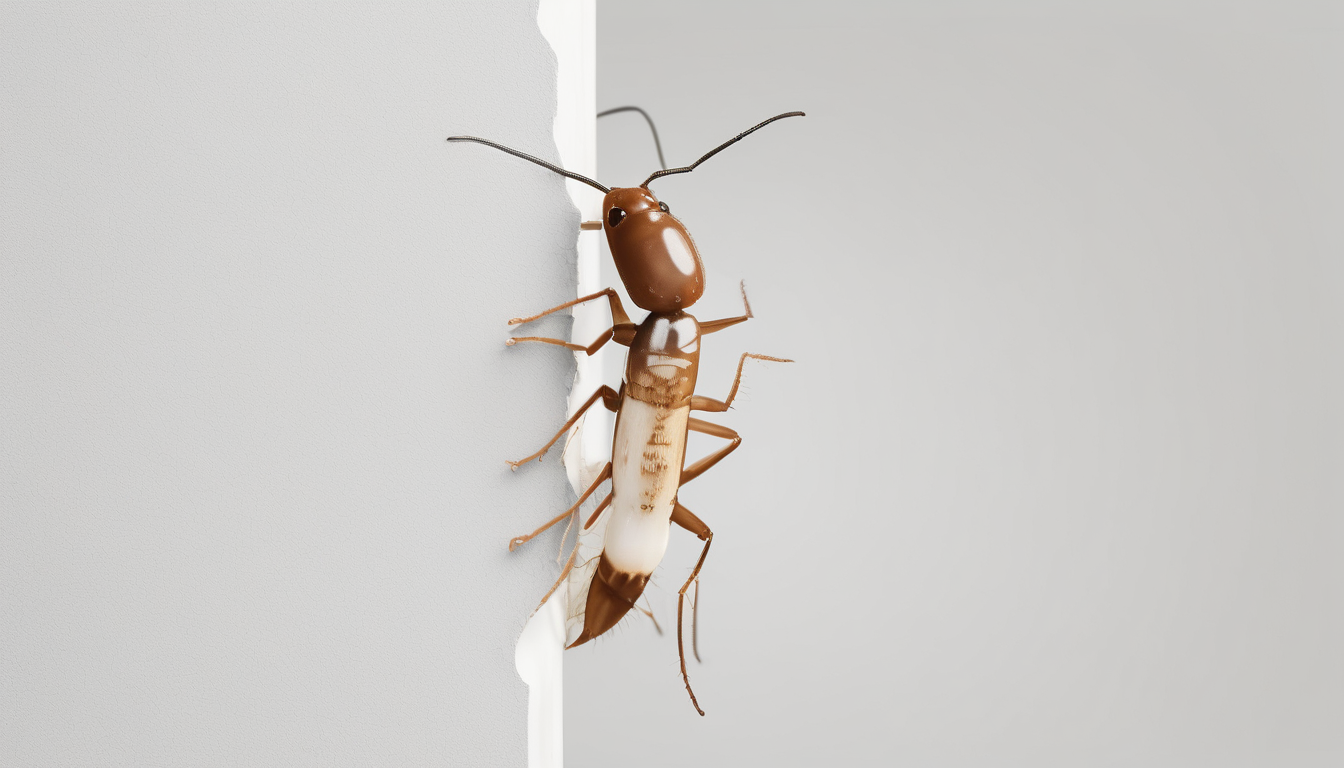

Termites represent one of the most significant threats to property investments across Dubai and the UAE, yet their destructive activity often goes unnoticed until substantial damage has occurred. Understanding the Signs You Need termite prevention treatment is not merely a precaution—it’s an essential skill for any property owner in our region. The unique combination of Dubai’s sandy soil, extensive irrigation systems, and construction methods creates ideal conditions for subterranean termites to thrive undetected.
Based on my experience conducting thousands of inspections across Dubai villas, towers, and commercial properties, I’ve identified consistent patterns that indicate when termite prevention treatment becomes necessary. These signs you need termite prevention treatment often appear subtly at first, then escalate rapidly if left unaddressed. The desert termite species common to our region, particularly Psammotermes hybostoma, exhibit specific behaviours that differ from termites in more temperate climates, making specialised knowledge essential for accurate detection.
This comprehensive guide will walk you through the definitive signs you need termite prevention treatment, specifically tailored to Dubai’s unique environmental conditions. We’ll explore visual indicators, structural symptoms, and environmental factors that should prompt immediate professional assessment. Recognising these signs you need termite prevention treatment early can save Dubai property owners from repair costs that typically range from AED 15,000 to AED 80,000 for moderate to severe termite damage cases.
Signs You Need Termite Prevention Treatment – Visible Mud Tubes on Foundations and Walls
The presence of mud tubes represents the most definitive of all signs you need termite prevention treatment in Dubai properties. These pencil-sized tunnels, typically measuring 6-12mm in diameter, serve as protected highways for termites travelling between their underground colonies and above-ground food sources. In Dubai’s harsh climate, termites construct these tubes to maintain moisture levels and protect themselves from dehydration and predators.
You’ll most commonly find mud tubes along foundation walls, particularly where concrete meets soil, around utility penetrations, and on interior walls in basements or ground floors. In UAE villas, I frequently discover them behind exterior cladding, within planter boxes attached to structures, and along the underside of ground-level decking. The composition typically includes soil particles, wood fibres, and termite saliva, creating a cement-like material that hardens while maintaining internal humidity.
When inspecting for these critical signs you need termite prevention treatment, look for both active and abandoned tubes. Active tubes will appear moist and may have worker termites visible inside if broken open carefully. abandoned tubes become brittle and may show signs of weathering. The mere presence of mud tubes, regardless of current activity, indicates that termites have identified your property as a potential food source and established access routes that future colonies may reactivate.
Signs You Need Termite Prevention Treatment – Hollow Sounding Wood and Structural Damage
Discovering hollow-sounding wood represents one of the more advanced signs you need termite prevention treatment, indicating that feeding activity has already compromised structural elements. When termites consume wood, they typically eat from the inside out, leaving a thin veneer of surface wood intact while hollowing out the internal structure. This creates the characteristic hollow sound when tapped and may cause wood to feel unusually soft or compressible under pressure.
In Dubai properties, this damage most commonly affects skirting boards, door frames, window sills, and structural timbers in contact with concrete slabs or foundation walls. The extreme temperature variations in our climate cause expansion and contraction that creates minute cracks in wood and concrete, providing ideal entry points for termites. I’ve documented cases where termites completely hollowed out structural support beams in villas, requiring replacement costs exceeding AED 45,000.
Other wood-related signs you need termite prevention treatment include blistering or darkening of wood surfaces, which occurs when moisture accumulates behind damaged wood veneers. You may also notice maze-like patterns within wood if surfaces become damaged or cracked. In severe cases, floors may begin to sag or bounce unusually, doors and windows may become difficult to open or close properly, and visible cracks may appear in walls or ceilings as structural support becomes compromised.
Signs You Need Termite Prevention Treatment – Termite Swarmers and Discarded Wings
The appearance of termite swarmers or their discarded wings represents one of the most obvious signs you need termite prevention treatment, yet many Dubai residents mistake them for flying ants. Swarmers are reproductive termites that emerge from established colonies to mate and establish new colonies. In Dubai’s climate, swarming typically occurs after rainfall events or during periods of high humidity, often in spring or autumn when temperatures range between 25-32°C.
You’ll most commonly find swarmers around light sources at dusk or dawn, particularly near windows, light fixtures, or outdoor lighting. After mating, these termites shed their wings, leaving behind piles of identical-sized wings that resemble fish scales. These discarded wings often accumulate on windowsills, in spider webs, or near entry points. Unlike ant wings, which vary in size, termite wings are uniform in length and transparent with visible vein patterns.
Finding swarmers indoors particularly constitutes urgent signs you need termite prevention treatment, as it indicates an established colony within or beneath the structure. Outdoor swarms near the foundation still warrant immediate attention, as the new colonies they establish will likely target your property. I recommend documenting any swarming events with photographs and contacting a professional immediately, as treatment within 24-48 hours can prevent new colony establishment.
Frass and Termite Droppings
The presence of termite frass (droppings) represents subtle but significant signs you need termite prevention treatment, particularly for drywood termite species that occasionally occur in imported wood materials. Frass appears as small, hexagonal pellets that resemble coarse coffee grounds or sawdust. These droppings accumulate near infestation sites as termites clean out their feeding galleries and push waste material through kick-out holes.
In Dubai properties, you’ll most commonly find frass in attics, along baseboards, in storage areas, or beneath wooden furniture. The pellets are typically hard, dry, and uniform in size, ranging from 0.5mm to 1.0mm in length. Their colour varies depending on the wood being consumed, often appearing light tan for newer droppings and darker brown for older accumulations. Unlike sawdust, which contains random-shaped particles, termite frass maintains consistent pellet shapes with six distinct sides.
When investigating these signs you need termite prevention treatment, carefully examine areas where frass accumulates for small exit holes in wood surfaces. These holes, typically 1-2mm in diameter, indicate active kick-out points where termites dispose of frass. Fresh frass will appear light-coloured and may feel slightly moist, while older accumulations darken and become powdery. The presence of frass, even without visible termites, confirms active infestation requiring professional treatment.
Persistent Moisture Issues and Water Damage
Chronic moisture problems represent environmental signs you need termite prevention treatment that many Dubai property owners overlook. Subterranean termites require constant moisture contact to survive, making areas with water accumulation or high humidity prime targets for infestation. In our arid climate, termites particularly seek out micro-environments where irrigation, condensation, or plumbing issues create sustained moisture.
Common moisture-related signs you need termite prevention treatment include persistent condensation on pipes or windows, dampness in basements or crawl spaces, water stains on walls or ceilings, and musty odours indicating hidden moisture. Outdoor indicators include overly saturated soil near foundations, irrigation systems that spray directly on structures, blocked drainage systems, and air conditioning condensate discharge points that keep soil perpetually damp.
I consistently find that addressing moisture issues forms the foundation of effective termite prevention. Properties with improved drainage, proper grading, repaired plumbing leaks, and adjusted irrigation patterns show significantly reduced termite pressure. During inspections, I use moisture meters to identify hidden dampness within walls and beneath floors, as these areas often reveal early signs you need termite prevention treatment before visible damage occurs.
Neighbouring Property Infestations
Termite activity in neighbouring properties represents external signs you need termite prevention treatment that warrant immediate proactive measures. Subterranean termite colonies can forage up to 100 metres from their nest, meaning nearby infestations directly increase your property’s risk. In Dubai’s densely packed villa communities and connected townhouse developments, termites readily move between properties through shared soil and underground utility corridors.
When neighbouring properties undergo termite treatment, the disturbed colonies often seek alternative food sources, potentially making your property their next target. This displacement effect means that proactive prevention becomes essential when nearby termite activity is reported. I recommend inquiring with neighbours about any recent termite issues and monitoring for increased activity along shared property boundaries.
Community-wide signs you need termite prevention treatment include multiple properties reporting termite sightings, widespread swarming events throughout a community, or landscape features that create continuous termite pathways between properties. Shared irrigation systems, common green spaces, and interconnected drainage systems can all facilitate termite movement between properties. In such cases, coordinated prevention efforts across multiple properties often prove most effective.
Recent Construction or Landscape Changes
Recent construction activities or landscape modifications represent situational signs you need termite prevention treatment that many Dubai homeowners overlook. Construction disturbances, including excavation, soil grading, and foundation work, can disrupt existing termite colonies and force them to seek new food sources. Additionally, new construction materials, particularly wood formwork left in soil or wooden debris buried during construction, create ideal termite feeding sites.
Landscaping changes that increase signs you need termite prevention treatment include installing new irrigation systems, adding soil beds against foundations, placing wooden mulch near structures, and introducing water features that maintain soil moisture. Even seemingly benign changes like adding decorative planters against exterior walls or installing wooden fencing can create termite access points if not properly designed and maintained.
I recommend considering preventive termite treatment following any significant construction or landscaping project, particularly those involving soil disturbance near foundations. Pre-construction termite barriers installed during building phases provide the most effective protection, but post-construction preventive treatments remain valuable for existing properties undergoing modifications. The investment of AED 2,500 to AED 7,000 for preventive treatment proves minimal compared to potential repair costs from termite damage.
Effective Termite Prevention Methods for UAE Properties
Once you recognise the signs you need termite prevention treatment, implementing appropriate prevention methods becomes essential. Dubai’s unique environmental conditions require specifically tailored approaches that differ from temperate climate strategies. The most effective prevention combines multiple methods addressing termite biology, building construction, and environmental factors.
Soil Termiticide Barriers
Chemical soil barriers create treated zones around foundations that repel or eliminate termites attempting to approach structures. In UAE sandy soils, non-repellent termiticides like fipronil provide excellent control by allowing termites to transport the insecticide back to their colonies. Professional application ensures proper concentration and coverage, typically costing AED 3,000 to AED 8,000 depending on property size and accessibility.
Baiting Systems
Termite bait stations installed around property perimeters monitor activity and deliver slow-acting insecticides directly to colonies. These systems work particularly well in Dubai’s landscaped properties where irrigation maintains soil moisture that attracts termites. Regular monitoring and bait replacement ensure continuous protection, with annual maintenance contracts typically ranging from AED 1,500 to AED 4,000.
Physical Barriers
Stainless steel mesh and graded particle barriers installed during construction prevent termite entry through foundation cracks and utility penetrations. These physical methods provide long-term protection without chemicals, making them ideal for sensitive environments. Retrofitting existing properties remains challenging but possible for specific high-risk entry points.
Expert Tips for Dubai Property Owners
Based on my extensive experience with termite prevention across Dubai properties, I recommend these actionable tips for homeowners recognising signs you need termite prevention treatment:
- Conduct quarterly self-inspections focusing on foundation walls, wood structures, and moisture-prone areas
- Maintain at least 15cm clearance between soil and any wood elements of your structure
- Ensure irrigation systems direct water away from foundations and avoid overspray on structures
- Repair plumbing leaks immediately and address condensation issues promptly
- Store firewood, lumber, and other cellulose materials elevated and away from structures
- Schedule professional inspections annually, or biannually in high-risk areas
- Document any termite sightings with photographs and notes for professional assessment
- Consider preventive treatments before major landscaping projects or construction activities
Frequently Asked Questions
How quickly should I act after noticing signs I need termite prevention treatment?
Immediate action is crucial. Termites work continuously and can cause significant structural damage within months. Contact a professional within 24-48 hours of noticing any signs you need termite prevention treatment for assessment and treatment recommendations.
Can I treat termites myself if I notice early signs?
DIY treatments rarely succeed with subterranean termites in Dubai conditions. Professional-grade termiticides, application equipment, and technical knowledge are essential for effective control. Incorrect treatment can drive termites deeper into structures, complicating future professional treatment.
How much does preventive termite treatment cost in Dubai?
Preventive treatment costs typically range from AED 2,500 to AED 7,000 for most villas, depending on size, construction type, and treatment method. This investment proves minimal compared to repair costs from termite damage, which often exceed AED 15,000 for moderate cases.
Are newer Dubai properties less susceptible to termites?
Unfortunately, modern construction methods often create new termite vulnerabilities. Concrete slab construction, complex irrigation systems, and extensive landscaping can provide ideal termite conditions if not properly designed with termite prevention in mind.
How often should I have professional termite inspections?
Annual inspections represent the minimum recommendation for Dubai properties. High-risk properties with previous termite issues, extensive landscaping, or moisture problems should consider biannual inspections, particularly before and after summer months when termite activity often increases.
Recognising the signs you need termite prevention treatment represents the first step in protecting your Dubai property from these destructive pests. The unique environmental conditions across the UAE create ideal termite habitats that require vigilant monitoring and professional preventive measures. By understanding these signs you need termite prevention treatment and acting promptly when they appear, property owners can avoid the substantial repair costs and structural compromises that termite infestations inevitably cause.
The most effective approach combines regular professional inspections with proactive environmental management and targeted preventive treatments when risk factors emerge. Investing in termite prevention before damage occurs not only protects your property value but also provides peace of mind knowing your home or investment remains secure against one of nature’s most efficient destroyers. Remember that in Dubai’s specific conditions, early intervention remains far more effective and economical than attempting to control established infestations after significant damage has occurred. Understanding Signs You Need Termite Prevention Treatment is key to success in this area.
