

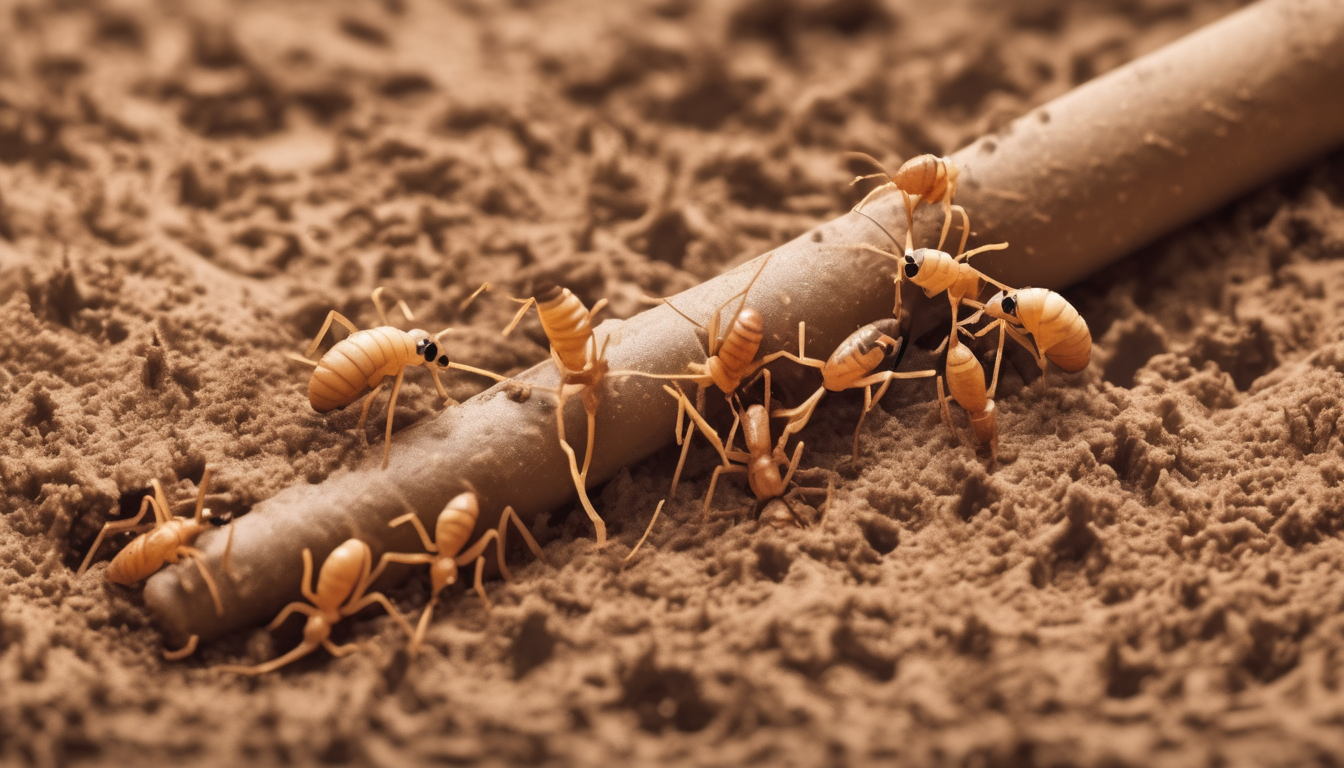

Termite mud tube removal and prevention methods represent a critical aspect of property protection in Dubai’s challenging environment. These earthen tunnels, constructed by subterranean termites to maintain moisture and protect themselves from predators, serve as both transportation highways and protective shelters. In Dubai’s arid climate with extensive irrigation systems, termites have adapted to build particularly robust mud tubes that can bridge significant distances between soil moisture sources and structural wood. Understanding proper termite mud tube removal and prevention methods requires recognizing that these structures indicate active infestation pathways that must be addressed systematically rather than simply removed superficially.
The presence of mud tubes on Dubai properties signals an established termite colony actively foraging for food sources. These structures typically appear as earthen-colored tunnels running along foundations, walls, or structural elements, often measuring 6-12mm in diameter. In UAE conditions, mud tubes frequently follow irrigation lines, condensation drainage paths, or structural cracks that provide both moisture and concealed access. Effective termite mud tube removal and prevention methods must account for the colony’s survival needs while disrupting their access to both moisture and food sources. This comprehensive guide covers the scientific approach to addressing termite mud tubes specific to Dubai’s construction and environmental conditions.
Termite Mud Tube Removal And Prevention Methods – Understanding Mud Tubes in Dubai Conditions
Termite mud tubes in Dubai exhibit distinct characteristics influenced by the region’s sandy soil composition and extreme climate conditions. These structures serve multiple purposes: maintaining humidity levels critical for termite survival, providing protection from predators, and creating direct pathways from soil moisture sources to wooden structures. Dubai’s extensive landscaping irrigation creates ideal conditions for termite colonies to thrive despite surface aridity, with mud tubes often following buried irrigation lines or condensation drainage paths from air conditioning systems.
The construction of mud tubes involves a combination of soil particles, saliva, and fecal material that creates a hardened, protective structure. In Dubai’s environment, termites typically construct four types of mud tubes: working tubes between nest and food source, exploratory tubes searching for new food sources, drop tubes from ceilings to floors, and swarm tubes for reproductive termites. Understanding these variations helps in developing targeted termite mud tube removal and prevention methods specific to each tube type’s purpose and construction.
Termite Mud Tube Removal And Prevention Methods – Inspection Techniques for Mud Tubes
Proper inspection forms the foundation of effective termite mud tube removal and prevention methods in Dubai properties. Thorough inspection should begin at the exterior foundation and follow potential moisture sources such as irrigation systems, condensation drainage lines, and areas where soil meets structure. Using specialized tools including moisture meters, borescopes, and tapping tools helps identify both visible and concealed mud tube networks.
In Dubai villas, particular attention should focus on planter boxes, decorative stonework, and areas where landscaping irrigation might create sustained moisture. The inspection process should document tube location, size, activity status, and connection points to both soil and structure. Active mud tubes typically show fresh soil material and may contain live termites, while abandoned tubes appear dry and crumbly. This distinction guides the appropriate termite mud tube removal and prevention methods for each situation.
Moisture Mapping for Tube Identification
Advanced inspection techniques involve moisture mapping around the property to identify potential termite attractants. Using infrared cameras and moisture meters, professionals can detect hidden moisture sources that might support mud tube construction. This approach proves particularly effective in Dubai properties where irrigation systems and air conditioning condensate create micro-environments ideal for termite activity.
Termite Mud Tube Removal And Prevention Methods – Proper Mud Tube Removal Procedures
Effective termite mud tube removal and prevention methods require careful procedural execution to avoid driving termites deeper into structures. The removal process begins with thorough documentation through photographs and sketches showing tube pathways and connection points. Physical removal should proceed systematically using scraping tools rather than high-pressure methods that might disperse termites or damage underlying surfaces.
During removal, collected material should be examined for live termites to confirm activity status. Removed material must be properly disposed of to prevent re-use by termites. However, simply removing visible mud tubes without addressing the underlying colony and moisture conditions represents an incomplete approach to termite mud tube removal and prevention methods. The removal process should be followed immediately by treatment application to exposed termite pathways.
Treatment Methods Behind Mud Tubes
Comprehensive termite mud tube removal and prevention methods involve treating the exposed pathways after physical removal. Treatment options vary based on the specific situation but typically include application of non-repellent termiticides, dust formulations, or bait systems placed within the treated areas. In Dubai’s sandy soil conditions, termiticide applications must account for potential leaching and require precise formulation and application rates.
For active mud tubes leading to structural wood, professionals often use injection methods to deliver termiticides directly into galleries and voids. The selection of appropriate treatment chemicals considers Dubai’s environmental regulations, soil pH levels, and the specific termite species involved. Effective termite mud tube removal and prevention methods always include post-treatment monitoring to verify treatment success and detect any renewed activity.
Prevention Strategies for Dubai Properties
Long-term termite mud tube removal and prevention methods focus on creating conditions unfavorable for tube construction and termite survival. Prevention strategies must address Dubai’s unique challenges including extensive landscaping, irrigation systems, and construction practices. Key preventive measures include maintaining proper drainage away from foundations, managing irrigation to avoid soil saturation near structures, and creating physical barriers during construction.
For existing properties, preventive termite mud tube removal and prevention methods involve regular inspection schedules, moisture control measures, and installation of monitoring stations around the property perimeter. Structural modifications such as replacing soil-wood contact points with metal or concrete barriers can significantly reduce termite access points. These preventive approaches form the most sustainable aspect of comprehensive termite mud tube removal and prevention methods.
Irrigation Management for Prevention
In Dubai’s landscaped properties, irrigation management represents a critical component of termite mud tube removal and prevention methods. Adjusting irrigation schedules to avoid constant moisture around foundations, installing drip irrigation instead of spray systems, and ensuring proper drainage away from structures significantly reduces termite attraction. Regular inspection of irrigation systems for leaks and proper maintenance forms an essential preventive practice.
Professional vs DIY Approaches
While some homeowners attempt DIY termite mud tube removal and prevention methods, professional intervention typically provides more comprehensive and lasting results. Professional services offer advanced inspection tools, approved chemical treatments, and warranty-backed services that DIY approaches cannot match. In Dubai, professional pest control companies must hold appropriate municipality licenses and use approved chemicals according to UAE regulations.
DIY termite mud tube removal and prevention methods often focus on superficial tube removal without addressing the underlying colony or moisture conditions. This approach may provide temporary visual improvement while allowing termite activity to continue undetected within structures. For complete termite mud tube removal and prevention methods, professional assessment and treatment typically proves more cost-effective long-term despite higher initial investment.
Cost Considerations in UAE
Implementing comprehensive termite mud tube removal and prevention methods involves varying costs depending on property size, infestation severity, and treatment approach. Basic inspection services in Dubai typically range from AED 300-600, while complete treatment programs including termite mud tube removal and prevention methods may cost between AED 2,000-8,000 depending on property size and treatment complexity.
Preventive termite mud tube removal and prevention methods such as soil treatment during construction or annual monitoring programs represent investments ranging from AED 1,500-4,000 annually. These costs should be weighed against potential repair expenses from undetected termite damage, which can easily exceed AED 20,000-50,000 for structural repairs in severe cases. Property owners should consider termite mud tube removal and prevention methods as essential protective measures rather than optional expenses.
Long-Term Monitoring Solutions
Sustainable termite mud tube removal and prevention methods require ongoing monitoring to detect new activity before significant damage occurs. Modern monitoring systems include in-ground stations, above-ground devices, and electronic detection systems that provide early warning of termite presence. These systems form an integral part of comprehensive termite mud tube removal and prevention methods for Dubai properties.
Monitoring programs typically involve quarterly or semi-annual inspections by trained professionals who check both monitoring stations and potential trouble areas around the property. This proactive approach to termite mud tube removal and prevention methods allows for early intervention before mud tubes become established and structural damage occurs. Many professional services offer monitoring programs as part of comprehensive termite protection plans.
Expert Tips for Effective Mud Tube Management
Based on extensive field experience with Dubai properties, these expert tips enhance termite mud tube removal and prevention methods:
- Conduct thorough inspections after any landscaping changes or irrigation modifications
- Focus inspection efforts along the north and east sides of buildings where moisture tends to persist longer
- Use moisture meters to identify hidden damp areas before mud tubes appear
- Never seal suspected mud tube entry points before professional assessment and treatment
- Maintain at least 15cm clearance between soil level and any wooden structural elements
- Schedule professional inspections during spring and autumn when termite activity often increases
- Document all findings and treatments for future reference and warranty purposes
- Consider preventive soil treatments during construction or major landscaping projects
Frequently Asked Questions
How quickly should mud tubes be removed after discovery?
Mud tubes should not be removed immediately but rather documented and professionally assessed first. Removal should occur as part of a comprehensive treatment plan rather than as an isolated action.
Can mud tubes reappear after professional treatment?
While professional treatment aims to eliminate colonies, new mud tubes may appear if moisture conditions remain favorable or if new colonies become established. Ongoing monitoring provides protection against recurrence.
Are mud tubes always a sign of active infestation?
Not necessarily—some mud tubes may be abandoned. Professional inspection can determine activity status through careful examination of tube condition and contents.
How do Dubai’s building materials affect mud tube construction?
Termites in Dubai readily build mud tubes on various surfaces including concrete, masonry, and metal when following moisture trails. The construction material matters less than the presence of moisture and food sources.
Conclusion
Effective termite mud tube removal and prevention methods require understanding both termite biology and Dubai’s unique environmental conditions. Simply removing visible mud tubes without addressing the underlying colony and moisture sources provides only temporary relief. Comprehensive termite mud tube removal and prevention methods involve systematic inspection, proper removal techniques, targeted treatments, and ongoing preventive measures tailored to individual property conditions. By implementing these scientific approaches, Dubai property owners can protect their investments from the silent damage caused by subterranean termites operating through their protective mud tube networks.
