

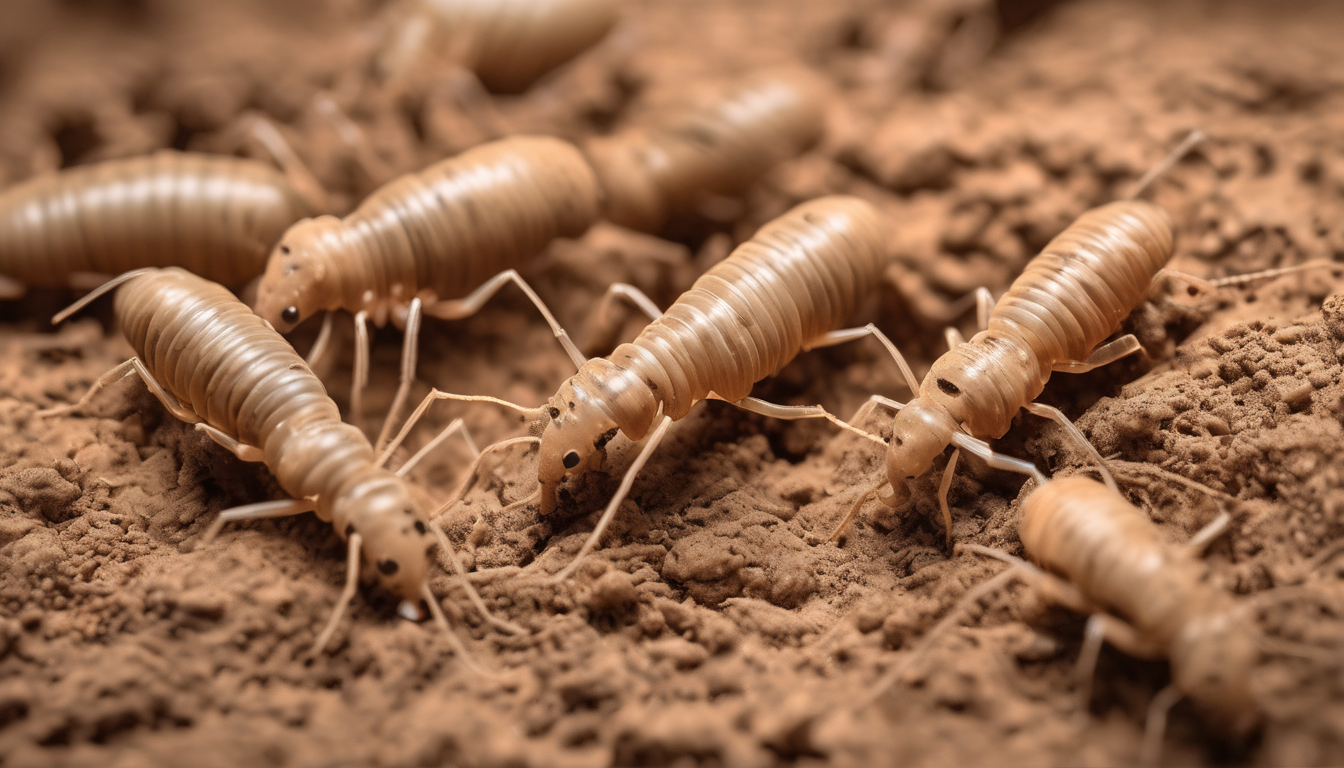

Termite mud tubes represent one of the most visible signs of subterranean termite activity in Dubai properties. These intricate tunnel systems allow termites to travel between their underground colonies and above-ground food sources while maintaining the moisture levels essential for their survival in our harsh desert climate. Understanding How to Identify Termite Mud Tubes in Dubai requires specific knowledge of local construction methods, soil conditions, and the behavioural patterns of UAE termite species.
As Head of Operations at Saniservice Dubai, I’ve conducted thousands of termite inspections across villas, towers, and commercial properties throughout the Emirates. The process of how to identify Termite Mud Tubes in Dubai differs from other regions due to our unique environmental conditions. Dubai’s sandy soil, extensive irrigation systems, and specific building materials create distinct patterns that every property owner should recognize.
This guide will provide you with comprehensive, step-by-step instructions on how to identify termite mud tubes in Dubai properties. You’ll learn where to look, what to examine, and how to distinguish between active and abandoned tubes. Proper identification is the first critical step in protecting your property from the silent damage these insects can cause.
Identify Termite Mud Tubes In Dubai – Understanding Termite Mud Tubes in Dubai Conditions
Termite mud tubes in Dubai serve as protected highways that connect subterranean termite colonies to their food sources above ground. These structures are typically 6-12 mm in diameter and constructed from soil particles, wood fibres, saliva, and faecal matter. The composition creates a hardened clay-like material that maintains high humidity levels inside—critical for termite survival in Dubai’s arid environment.
In Dubai conditions, mud tubes often appear slightly different than in more temperate climates. The sandy soil composition results in tubes with a lighter colouration, typically ranging from beige to light brown rather than the darker earth tones seen in regions with clay-rich soils. The extreme summer heat also causes faster drying of the outer surface, creating a more brittle exterior crust while the interior remains moist and active.
There are four primary types of mud tubes you might encounter when learning how to identify termite mud tubes in Dubai properties. Working tubes are the main transportation corridors between nest and food source. Exploratory tubes extend outward from existing tubes as termites search for new food sources. Drop tubes descend from ceilings or overhead structures. Swarm tubes are specially constructed for reproductive termites to exit the colony during mating seasons.
Identify Termite Mud Tubes In Dubai: Essential Tools for Mud Tube Identification
Proper identification requires basic tools that every Dubai homeowner should keep available. A high-quality flashlight is essential for illuminating dark spaces where mud tubes often form. A flat-head screwdriver or putty knife allows for careful examination of suspicious formations without causing unnecessary damage to your property’s surfaces.
A moisture meter proves invaluable when learning how to identify termite mud tubes in Dubai, as active tubes maintain higher moisture levels than their surroundings. A digital camera or smartphone helps document findings for professional assessment. Protective gloves are recommended when handling potential termite structures, and a magnifying glass assists in examining tube composition and potential termite activity.
For more advanced inspection, thermal imaging cameras can detect moisture patterns behind walls that may indicate hidden mud tube networks. While not essential for basic identification, these tools demonstrate the technological advances available to professional pest control companies operating in Dubai’s competitive market.
Identify Termite Mud Tubes In Dubai: Step-by-Step Identification Process
The process of how to identify termite mud tubes in Dubai begins with systematic visual inspection. Start by examining the exterior foundation of your property, paying particular attention to areas where soil meets structure. Look for earth-coloured lines or streaks running vertically or horizontally along concrete surfaces. These often appear as delicate, meandering patterns rather than straight, intentional construction.
Gently tap suspicious formations with your screwdriver handle. Active mud tubes typically feel firm but slightly flexible, while abandoned tubes often crumble easily. Examine the texture—recent construction will show clearly defined soil particles, while older tubes may appear more consolidated and hardened. Check for moisture content by pressing lightly; active tubes will feel damp to the touch even when the exterior appears dry.
Carefully open a small section of the tube using your tool. If active, you may observe worker termites inside—pale, soft-bodied insects approximately 6 mm long. The interior of active tubes maintains high humidity and shows recent construction evidence. Document your findings with photographs, noting location, size, and any signs of activity before contacting a professional termite control service in Dubai.
Common Locations in Dubai Properties
Understanding where to look is crucial when learning how to identify termite mud tubes in Dubai. In villas and townhouses, check along foundation walls, particularly near irrigation systems and landscaping features. Examine areas where plumbing pipes enter the structure, as these provide ideal entry points. Inspect behind exterior cladding and stonework, especially where moisture may accumulate.
In high-rise buildings, focus inspection efforts on parking garage ceilings, utility rooms, and areas with plumbing stacks. Termites often travel through expansion joints between building sections. Check behind stored items in storage rooms and around air conditioning condensate drainage points. In commercial properties, examine loading dock areas, storage facilities, and anywhere wood products are stored or processed.
Dubai’s extensive use of decorative landscaping creates numerous potential pathways. Inspect planter boxes attached to buildings, wooden pergolas and trellises, and irrigation control valve boxes. Termites frequently bridge from soil to structure using these features, making them critical inspection points when learning how to identify termite mud tubes in Dubai landscapes.
Differentiating Active from Abandoned Tubes
Determining activity status is essential when learning how to identify termite mud tubes in Dubai. Active tubes appear fresher with clearly defined construction and minimal dust accumulation. The exterior may show recent repair work where termites have patched breaches. When opened, active tubes reveal moist interior conditions and may contain live termites or their translucent white eggs.
Abandoned tubes typically show signs of deterioration with cracked, crumbling surfaces. They accumulate dust and may have spider webs or other insect activity present. The interior appears dry and may contain discarded termite wings or faecal pellets. In Dubai’s climate, abandoned tubes often bleach to a lighter colour due to sun exposure and lack of maintenance by the colony.
Intermediate states also exist where tubes appear inactive but may be reoccupied during favourable conditions. Termites often maintain secondary pathways that see intermittent use depending on seasonal patterns and food availability. Professional assessment becomes particularly valuable when tube activity status remains uncertain after visual inspection.
When to Call for Professional Assessment
While basic identification skills are valuable, professional assessment becomes necessary when you confirm or suspect active termite activity. Dubai’s termite control regulations require licensed professionals to apply certain treatments, particularly when dealing with structural infestations. Professional companies like Saniservice Dubai possess the expertise and equipment to conduct comprehensive inspections beyond homeowner capabilities. This relates directly to Identify Termite Mud Tubes In Dubai.
Seek professional assistance when you discover multiple mud tubes, evidence of structural damage, or activity in critical areas like load-bearing walls. If you’re preparing for property purchase or renovation, professional termite inspection provides essential due diligence. Annual professional inspections are recommended for Dubai properties with previous termite history or those located in known termite-active communities.
Professional assessment costs in Dubai typically range from AED 300 to AED 800 for standard villa inspections, depending on property size and complexity. This investment provides peace of mind and detailed documentation of termite status, which can be valuable for insurance purposes and property transactions.
Expert Tips for Dubai Homeowners
Based on thousands of inspections across Dubai properties, I recommend these expert tips for homeowners learning how to identify termite mud tubes. Conduct regular inspections during cooler months when termites remain active but conditions are more comfortable for thorough examination. Focus attention on the shaded northern and eastern sides of buildings where moisture persists longer.
Maintain at least 45 cm clearance between soil and any wood elements of your structure. Ensure irrigation systems direct water away from foundations rather than toward them. Repair leaking faucets and drainage issues promptly to eliminate moisture sources that attract termites. Store firewood and construction materials elevated and away from structures.
Document your findings with dated photographs to establish patterns over time. Avoid disturbing suspected active tubes until professionals can assess them, as premature destruction may cause termites to redirect activity to less visible areas. Remember that mud tube presence doesn’t necessarily indicate current active infestation but always warrants professional verification.
Frequently Asked Questions
How quickly should I respond to finding mud tubes?
Immediate professional assessment is recommended within 24-48 hours of discovery. Termites work continuously, and delayed response allows further colony expansion and potential structural damage.
Can I remove mud tubes myself?
While physical removal is possible, it’s not recommended without professional guidance. Removal without addressing the underlying colony and moisture issues typically results in tube reconstruction elsewhere.
Are all mud tubes indicators of serious infestation?
Not necessarily. Exploratory tubes may represent initial investigation rather than established infestation. However, all tubes require professional assessment to determine significance and appropriate response.
How often should I inspect for mud tubes?
Quarterly inspections are recommended for Dubai properties, with more frequent checks (monthly) for properties with previous termite history or those located in high-risk areas. When considering Identify Termite Mud Tubes In Dubai, this becomes clear.
Learning how to identify termite mud tubes in Dubai represents an essential skill for property owners in our region. The combination of extensive landscaping, irrigation practices, and specific construction methods creates ideal conditions for subterranean termite activity. Regular inspection, prompt professional assessment when tubes are discovered, and proactive moisture management form the foundation of effective termite protection for Dubai properties.
