

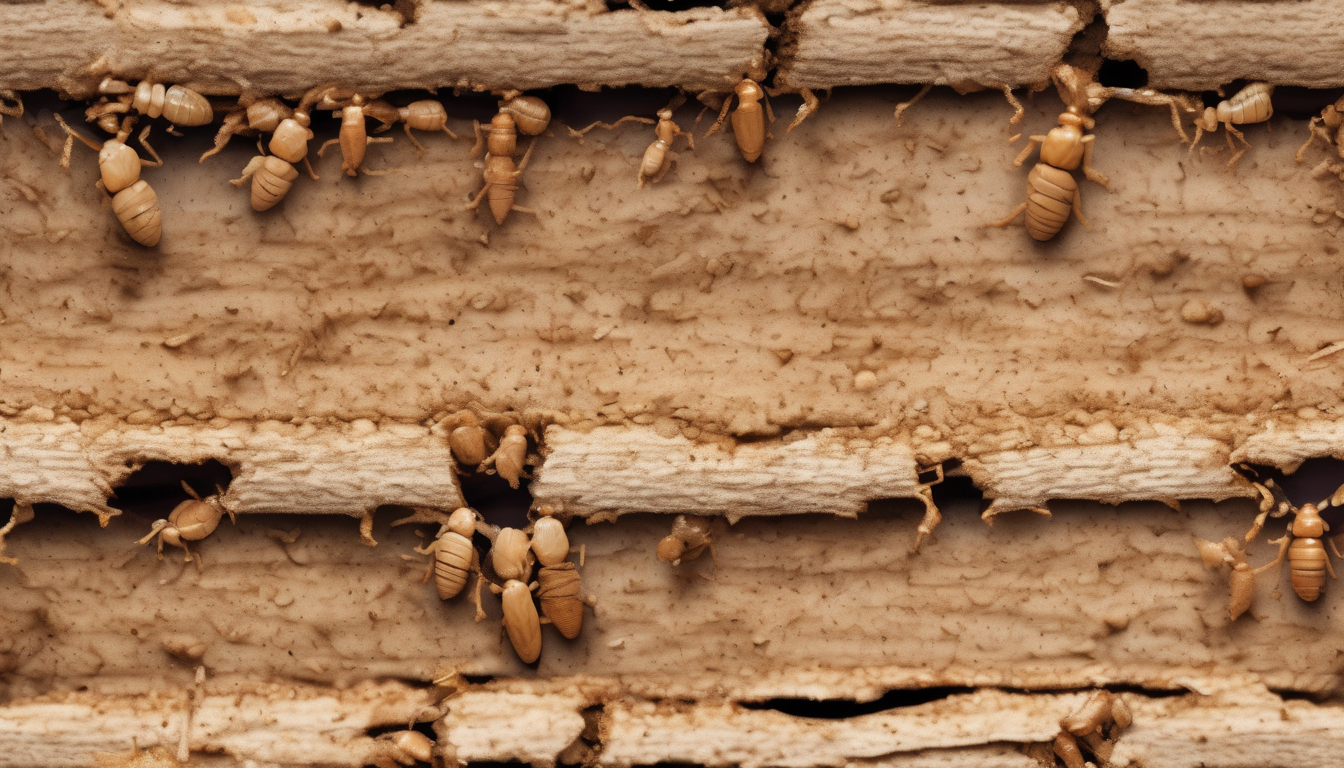

Termite Damage Assessment and moisture mapping techniques form the cornerstone of effective termite management in Dubai’s unique desert environment. As a termite specialist with extensive experience across UAE properties, I’ve witnessed how proper assessment techniques can mean the difference between minor repairs and catastrophic structural damage. The relationship between moisture and termite activity is particularly critical in our region, where irrigation systems and air conditioning create ideal conditions for subterranean termites to thrive.
In Dubai’s construction landscape, termite damage assessment and moisture mapping techniques must account for specific challenges: sandy soils, extensive landscaping, and the constant battle against extreme heat and humidity control. This comprehensive guide will walk you through the professional methods we use to assess termite damage and map moisture patterns, providing you with the knowledge to understand what proper termite inspection entails and why moisture control is fundamental to termite prevention.
Termite Damage Assessment And Moisture Mapping Techniques – Understanding Termite Damage Assessment Techniques
Professional termite damage assessment begins with a systematic approach to evaluating the extent and severity of termite activity. In Dubai properties, we follow a structured methodology that examines both visible damage and hidden structural compromise. The assessment process typically starts with a visual inspection of all accessible wooden structures, including skirting boards, door frames, window frames, and structural timbers. We look for characteristic signs such as hollow-sounding wood, blistering paint, mud tubes, and termite frass.
The second phase involves probing suspected areas with specialized tools to determine the depth and severity of damage. This is particularly important in Dubai villas where termites often attack from below ground level or through decorative planters. We document the location, extent, and pattern of damage using standardized assessment forms that include photographic evidence and moisture readings. This documentation becomes crucial for treatment planning and insurance claims. This relates directly to Termite Damage Assessment And Moisture Mapping Techniques.
Advanced termite damage assessment techniques include using borescopes to examine internal wall cavities and structural voids without destructive investigation. In severe cases, we may recommend limited destructive testing to assess the structural integrity of load-bearing elements. This is especially relevant in older Dubai properties where termite damage may have progressed undetected for extended periods.
Termite Damage Assessment And Moisture Mapping Techniques – Moisture Mapping Techniques Explained
Moisture mapping represents the scientific foundation of modern termite assessment in Dubai’s climate. This technique involves systematically measuring and documenting moisture levels throughout a property to identify patterns that indicate termite activity or conducive conditions. We begin by dividing the property into measurement zones, typically following structural lines and moisture source patterns.
Using professional moisture meters, we take readings at standardized intervals, creating a detailed moisture map that visualizes problem areas. In Dubai properties, we pay particular attention to zones near irrigation systems, air conditioning condensate drains, plumbing fixtures, and areas with poor drainage. The resulting moisture map reveals not just current problems but also predicts future termite risk areas. When considering Termite Damage Assessment And Moisture Mapping Techniques, this becomes clear.
The interpretation of moisture mapping data requires understanding Dubai’s unique environmental factors. We analyze patterns rather than individual readings, looking for moisture gradients that indicate hidden leaks or condensation issues. This approach allows us to distinguish between seasonal moisture variations and persistent problems that require intervention. The moisture map becomes the blueprint for both treatment and prevention strategies.
Termite Damage Assessment And Moisture Mapping Techniques – Professional Assessment Equipment and Tools
Professional termite damage assessment and moisture mapping techniques rely on specialized equipment designed for accuracy and non-destructive investigation. The primary tools include moisture meters with both pin and pinless capabilities, thermal imaging cameras, acoustic detection devices, and borescopes for internal inspection. Each tool serves a specific purpose in the assessment process.
Moisture meters provide quantitative data on moisture content in building materials, with pin meters offering precise readings at specific points and pinless meters allowing rapid scanning of large areas. Thermal imaging cameras detect temperature variations that often correlate with moisture presence and termite activity. In Dubai’s climate, these cameras are particularly effective at identifying condensation issues and hidden water leaks. The importance of Termite Damage Assessment And Moisture Mapping Techniques is evident here.
Acoustic detection devices amplify the sounds of termite activity within wood and voids, while borescopes allow visual inspection of inaccessible areas. We also use digital documentation systems including GPS-enabled cameras and tablet-based reporting software that geotags findings and creates comprehensive assessment reports. This equipment investment represents a significant portion of the professional service cost but delivers accuracy that DIY methods cannot match.
Assessment Pricing Structure in Dubai
Professional termite damage assessment and moisture mapping services in Dubai follow a structured pricing model based on property size, complexity, and assessment depth. For standard villas up to 4,000 square feet, comprehensive assessment typically ranges from AED 800 to AED 1,500. Larger properties or those with complex layouts may cost between AED 1,500 and AED 3,000 for complete assessment.
| Service Type | Property Size | Price Range (AED) | Assessment Depth |
|---|---|---|---|
| Basic Visual Inspection | Villa < 3,000 sq ft | 500 – 800 | Visual assessment only |
| Standard Assessment | Villa 3,000-5,000 sq ft | 800 – 1,200 | Visual + moisture mapping |
| Comprehensive Assessment | Villa > 5,000 sq ft | 1,200 – 2,000 | Full assessment with report |
| Commercial Assessment | Commercial property | 2,000 – 5,000 | Detailed structural assessment |
Additional factors affecting pricing include the need for specialized equipment such as thermal imaging (AED 200-400 extra) or destructive testing (AED 300-600 per test location). Emergency assessments outside normal business hours may incur premium charges of 25-50%. Many companies offer assessment packages that include follow-up consultations and integrated treatment planning. Understanding Termite Damage Assessment And Moisture Mapping Techniques helps with this aspect.
Interpreting Assessment Results
Proper interpretation of termite damage assessment and moisture mapping results requires professional expertise and local experience. Assessment reports typically include several key components: damage severity ratings, moisture distribution maps, risk assessment matrices, and recommended action plans. Understanding these elements helps property owners make informed decisions about treatment and repair priorities.
Damage severity is usually categorized into levels ranging from minor surface damage to structural compromise. Moisture maps use color coding to indicate problem areas, with red zones indicating immediate concerns and yellow zones suggesting monitoring areas. The risk assessment matrix evaluates both current damage and future risk based on environmental conditions and construction factors.
In Dubai properties, we pay special attention to the relationship between irrigation patterns and termite activity. Assessment results often reveal how landscape watering schedules contribute to termite pressure, allowing for targeted adjustments that reduce long-term risk. The interpretation process also considers local building materials and construction methods that influence termite behavior and damage progression. Termite Damage Assessment And Moisture Mapping Techniques factors into this consideration.
Integrating Assessment with Treatment Planning
The true value of termite damage assessment and moisture mapping techniques emerges when integrated with comprehensive treatment planning. Assessment data informs every aspect of treatment strategy, from product selection to application methods. Moisture mapping results directly influence whether soil treatments, baiting systems, or physical barriers will be most effective.
In Dubai’s environment, assessment findings often dictate the need for moisture control measures before termite treatment can succeed. This might involve irrigation adjustments, drainage improvements, or ventilation enhancements. The assessment report serves as the foundation for targeted treatment that addresses both the termite population and the conditions supporting it.
Treatment planning based on thorough assessment typically results in more effective and longer-lasting protection. It allows for precise application of termiticides only where needed, reducing chemical use and environmental impact. The assessment-treatment integration also provides baseline data for monitoring treatment effectiveness and detecting new activity early. This relates directly to Termite Damage Assessment And Moisture Mapping Techniques.
DIY vs Professional Assessment Considerations
While DIY termite inspection kits are available, professional termite damage assessment and moisture mapping techniques offer significant advantages for Dubai property owners. DIY methods typically rely on visual inspection alone and lack the specialized equipment needed to detect hidden damage or moisture patterns. Professional assessments provide comprehensive documentation that is essential for insurance claims and property transactions.
The main limitations of DIY assessment include inadequate equipment, lack of training in interpreting subtle signs, and inability to access concealed areas. Professional assessors bring experience with local termite species and Dubai-specific construction practices. They also carry professional indemnity insurance that backs their findings, providing peace of mind that DIY methods cannot offer.
For budget-conscious homeowners, a hybrid approach may be feasible: conducting regular visual self-inspections between professional assessments. However, for properties with known termite issues or those undergoing purchase/sale transactions, professional assessment is strongly recommended. The investment in professional assessment typically pays for itself through targeted treatment and prevented damage. When considering Termite Damage Assessment And Moisture Mapping Techniques, this becomes clear.
Expert Assessment and Mapping Tips
Based on years of conducting termite damage assessment and moisture mapping techniques in Dubai properties, here are my professional recommendations for optimal results:
- Schedule assessments during the cooler months when termite activity is often more visible and accessible
- Ensure assessors have access to all areas including roof spaces, subfloor areas, and behind fixed furniture
- Request moisture mapping that includes both interior and exterior measurements for complete pattern analysis
- Ask for digital documentation including photographs and annotated floor plans showing problem areas
- Choose assessors who provide specific recommendations rather than generic treatment suggestions
- Verify that the assessment includes evaluation of landscaping and irrigation systems
- Request clarification on any technical terms or findings you don’t fully understand
- Ensure the assessment report includes prioritization of issues based on urgency and risk level
Frequently Asked Questions
How often should termite assessments be conducted in Dubai properties?
For most Dubai villas, annual professional assessments are recommended due to the constant termite pressure from landscaping and irrigation. Properties with previous termite issues or high moisture conditions may benefit from semi-annual assessments. Commercial properties typically require quarterly assessments as part of integrated pest management programs.
Can moisture mapping detect active termite colonies?
While moisture mapping itself doesn’t detect termites directly, it identifies conditions that support termite colonies and reveals patterns suggestive of active infestations. Elevated moisture readings around structural elements often correlate with termite activity, making moisture mapping an invaluable indirect detection method when combined with other assessment techniques.
What qualifications should termite assessment professionals have in Dubai?
Look for assessors with certification from recognized pest management associations, specific training in termite biology and behavior, and experience with Dubai’s construction methods and termite species. Many reputable companies employ assessors with engineering backgrounds who understand structural implications of termite damage.
Professional termite damage assessment and moisture mapping techniques provide the scientific foundation for effective termite management in Dubai properties. By investing in proper assessment, homeowners gain not just current problem identification but also long-term protection strategies based on understanding the relationship between moisture patterns and termite behavior. This proactive approach ultimately saves money by addressing issues before they become structural problems.
