

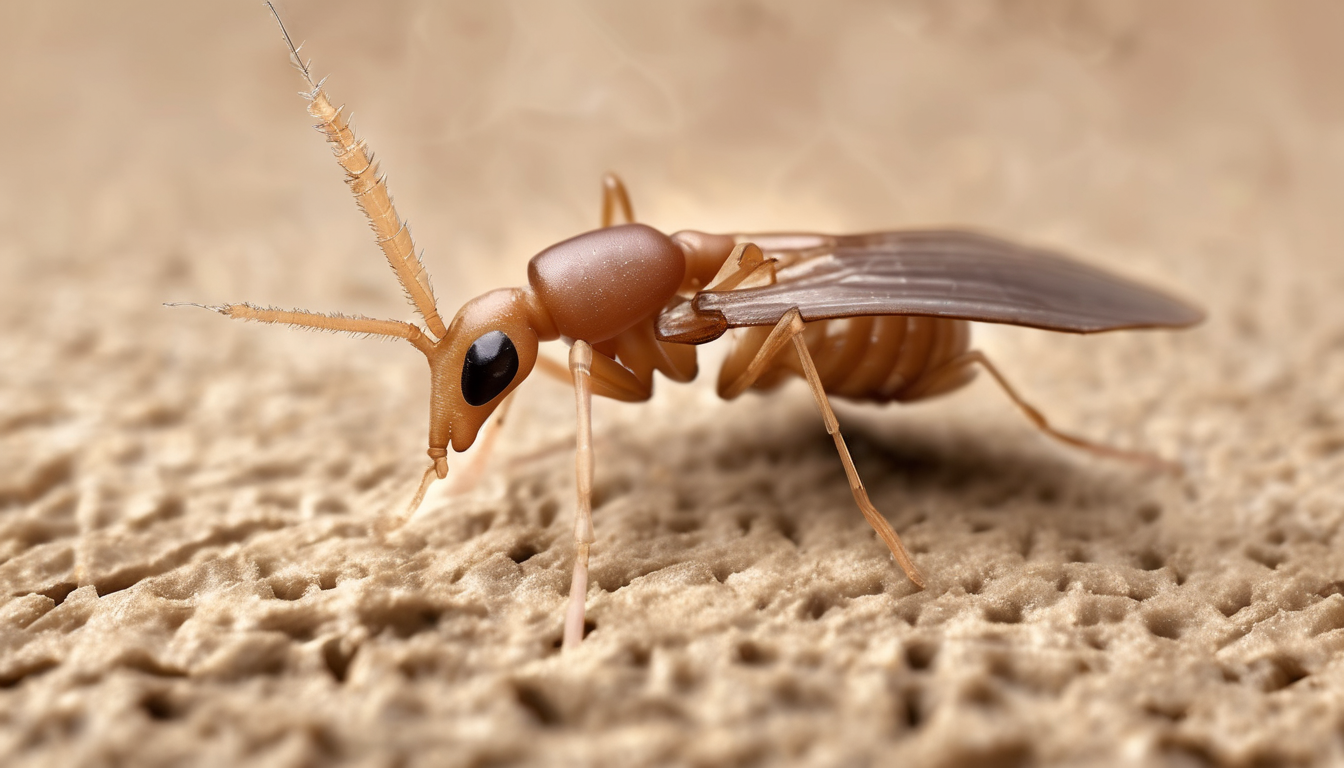

Subterranean termites present a significant challenge for Dubai property owners, with the region’s extensive irrigation systems and imported building materials creating ideal conditions for colony establishment. Understanding how Sentricon termite baiting systems work in Dubai requires examining both the technology and the unique environmental factors of the UAE. These systems represent a sophisticated approach to termite management that differs fundamentally from traditional chemical barriers, particularly in how they leverage termite biology against the colony itself.
The Sentricon system operates on the principle of colony elimination rather than mere repellency, making it particularly valuable in Dubai’s interconnected urban landscape where termites often move between properties. As Head of Operations at Saniservice Dubai, I’ve deployed these systems across hundreds of properties from Palm Jumeirah villas to Downtown high-rises, observing firsthand how they perform in our specific soil conditions and climate. The key to success lies in proper installation, consistent monitoring, and understanding Dubai’s unique termite pressure points.
This guide will explain exactly How Sentricon Termite baiting systems work in Dubai, from the science behind the bait matrix to the installation protocols we’ve developed for UAE soil types. We’ll cover the monitoring process, seasonal considerations for our climate, and why this approach often outperforms traditional treatments in protecting Dubai’s luxury properties from silent structural damage.
The Science Behind How Sentricon Termite Baiting Systems Work in Dubai
The Sentricon system utilizes a sophisticated biological approach to termite control that proves particularly effective in Dubai’s environment. At its core, the system employs a bait matrix containing noviflumuron, an insect growth regulator that disrupts the termite molting process. When foraging termites discover the bait stations installed around a Dubai property, they consume the cellulose-based material and share it with their nestmates through trophallaxis—the process of mouth-to-mouth feeding that characterizes termite colony behavior.
This sharing mechanism proves crucial to how Sentricon termite baiting systems work in Dubai’s interconnected urban landscape. Unlike repellent chemicals that create barriers, the bait matrix attracts termites and becomes distributed throughout the entire colony. The active ingredient doesn’t kill termites immediately but prevents them from successfully molting to their next developmental stage. This delayed action allows the bait to spread through the colony before termites begin dying, ultimately eliminating the queen and reproductive capabilities.
In Dubai’s sandy soils, traditional liquid termiticides can sometimes dissipate or bind to soil particles, reducing their long-term effectiveness. The Sentricon system avoids this issue by delivering the active ingredient directly through the termites’ feeding behavior rather than relying on soil concentration. This makes how Sentricon termite baiting systems work in Dubai particularly advantageous for properties with extensive irrigation or drainage issues that might compromise chemical barriers.
Dubai Installation Process for Sentricon Systems
Professional installation proves critical to how Sentricon termite baiting systems work in Dubai properties. The process begins with a thorough inspection to identify termite activity patterns, moisture sources, and potential foraging pathways. In Dubai villas, we typically find termites entering through irrigation-fed garden areas, planter boxes, or expansion joints in foundations. This inspection determines optimal station placement to intercept active foraging tunnels.
Installation involves placing plastic stations at precise intervals around the property perimeter, focusing on areas where termites are most likely to forage. In Dubai’s climate, we typically install stations every 3 to 5 metres around the foundation, with additional placements near moisture sources like irrigation lines, air conditioning condensate drains, and decorative water features. Each station gets buried flush with the soil surface with a visible above-ground cap for monitoring access.
The stations initially contain untreated wood monitors to detect termite activity. Once termites are detected feeding on the wood, we replace it with the bait matrix containing noviflumuron. This two-phase approach ensures we’re placing active bait only where termites are actively foraging, maximizing efficiency and reducing environmental impact. The entire installation process for a typical Dubai villa requires 20-30 stations and takes our trained technicians 3-4 hours to complete properly.
Monitoring How Sentricon Termite Baiting Systems Work in Dubai Climate
Regular monitoring represents the most critical aspect of how Sentricon termite baiting systems work in Dubai’s extreme climate. The UAE’s intense heat and irrigation patterns significantly impact termite foraging behavior, requiring adjusted inspection schedules compared to temperate climates. We typically monitor stations every 45-60 days during peak termite activity periods from October through April, when soil temperatures between 25°C and 35°C encourage maximum foraging.
During summer months when soil temperatures can exceed 45°C, termite activity often decreases as colonies retreat deeper underground. We adjust monitoring frequency to every 90 days during this period while maintaining vigilance at stations near constant moisture sources like leaking irrigation lines or swimming pool overflow drains. Each inspection involves carefully opening stations to check for termite activity, measuring bait consumption, and documenting findings with photographs for client records.
When termites are actively feeding, we track consumption rates to determine when the colony has received sufficient bait material. Complete colony elimination typically occurs within 3-9 months of initial bait discovery, depending on colony size and proximity to the property. We continue monitoring for at least 12 months after activity ceases to ensure no new colonies have discovered the property. This ongoing vigilance proves essential to how Sentricon termite baiting systems work in Dubai’s environment where neighboring properties may harbor additional colonies.
UAE Termite Behavior and Sentricon Effectiveness
Understanding local termite behavior proves fundamental to how Sentricon termite baiting systems work in Dubai. The most common subterranean termite species in the UAE, Psammotermes hybostoma and Microcerotermes diversus, exhibit foraging behaviors particularly suited to baiting systems. These species establish extensive underground tunnel networks searching for cellulose materials, often traveling 50-80 metres from their nest in search of food sources.
Dubai’s extensive landscaping irrigation creates ideal conditions for termite survival in otherwise arid soils. Termites follow moisture gradients from garden areas toward structures, making them highly likely to encounter perimeter bait stations. The Sentricon system leverages this natural foraging behavior by placing stations directly in these moisture-rich pathways where termites are actively searching for food.
Unlike traditional chemical barriers that repel termites, the Sentricon system takes advantage of termites’ natural feeding instincts. The cellulose-based bait matrix proves highly attractive to foraging termites, who preferentially feed on it and carry it back to their nestmates. This social feeding behavior ensures the active ingredient spreads throughout the entire colony, including the queen and reproductives who never leave the nest. This colony-wide distribution proves why how Sentricon termite baiting systems work in Dubai achieves complete elimination rather than just creating a temporary barrier.
Dubai Property Applications for Sentricon Systems
The application of how Sentricon termite baiting systems work in Dubai varies significantly by property type. For standalone villas in communities like Emirates Hills or Palm Jumeirah, we typically install a perimeter system with additional stations near specific risk areas: swimming pool surrounds, decorative planters, wooden pergolas, and irrigation control boxes. These properties often have extensive landscaping that creates multiple termite entry points requiring comprehensive coverage.
In townhouse complexes and attached villas, we must consider shared walls and common landscaping that can allow termites to move between properties. In these situations, we often coordinate with neighbors or property management companies to create continuous protection around multiple units. The non-repellent nature of how Sentricon termite baiting systems work in Dubai makes them ideal for multi-property applications since termites freely move between stations without avoidance behavior.
For commercial properties and high-rise buildings, we focus on critical areas where termites might access the structure: planter boxes on podiums, expansion joints at ground level, and where landscaping meets building foundations. In these applications, we often combine bait stations with limited spot treatments of non-repellent termiticides at identified entry points. This integrated approach provides both elimination of existing colonies and protection against new infestations attempting to access the structure.
Cost and Maintenance of How Sentricon Termite Baiting Systems Work in Dubai
The investment in how Sentricon termite baiting systems work in Dubai typically ranges from AED 8,000 to AED 15,000 for initial installation at a standard villa property, depending on property size and termite pressure levels. This includes all stations, bait material, and the first year of monitoring services. Annual maintenance contracts for ongoing monitoring and bait replenishment typically cost AED 2,000 to AED 4,000 depending on property size and accessibility.
While the initial cost exceeds that of traditional chemical barriers, the long-term protection often proves more economical for Dubai properties facing persistent termite pressure. Traditional barrier treatments typically require reapplication every 3-5 years at costs of AED 5,000 to AED 8,000 per treatment, while Sentricon systems provide continuous protection with proper maintenance. For high-value properties with custom woodwork or historical significance, the colony elimination approach prevents the recurring damage that can occur with barrier systems when termites find untreated gaps.
Many insurance companies and mortgage providers in Dubai now recognize the superior protection offered by baiting systems and may offer reduced premiums for properties with documented Sentricon protection. We provide clients with detailed inspection reports and activity documentation that can be shared with insurers or during property transactions to demonstrate active termite protection.
Expert Tips for Dubai Sentricon Success
Based on years of implementing how Sentricon termite baiting systems work in Dubai, I’ve developed several key recommendations for optimal performance. First, always address moisture issues before installation—fix leaking irrigation lines, improve drainage away from foundations, and ensure air conditioning condensate drains properly away from the structure. Termites follow moisture, so controlling water dramatically improves bait station effectiveness.
Second, maintain consistent monitoring schedules regardless of visible termite activity. Dubai’s termites often forage at depths beyond visual detection, and regular inspections catch activity before significant damage occurs. We recommend professional monitoring rather than DIY approaches since trained technicians identify subtle signs of termite activity that homeowners might miss.
Third, coordinate with neighbors when possible. Termites don’t respect property boundaries, and colony elimination efforts work best when multiple properties participate. We’ve successfully eliminated large colonies by installing systems on adjacent properties when termite activity patterns indicate a shared infestation source.
Finally, document everything. Keep detailed records of installation dates, inspection findings, bait consumption, and activity patterns. This documentation proves invaluable for tracking progress, adjusting strategies, and demonstrating due diligence to insurance companies or future property buyers. Proper records transform how Sentricon termite baiting systems work in Dubai from simple pest control into documented asset protection.
Sentricon System Dubai FAQ
How long does it take for Sentricon to eliminate termites in Dubai?
Complete colony elimination typically requires 3-9 months after termites begin feeding on the bait matrix. The timeline depends on colony size, distance from the property, and seasonal activity patterns. We continue monitoring for at least 12 months after activity ceases to ensure complete elimination.
Can Sentricon systems withstand Dubai’s summer heat?
Yes, the stations and bait matrix are specifically designed to withstand extreme temperatures up to 60°C. However, termite activity decreases during peak summer months, so we adjust monitoring schedules accordingly while maintaining system integrity.
Is Sentricon safe for pets and children in Dubai homes?
Yes, the stations are designed with tamper-resistant caps that prevent access to the bait matrix. The active ingredient noviflumuron has low mammalian toxicity and is contained within the stations, making it safe for residential applications when properly installed.
How does irrigation affect Sentricon performance in Dubai?
Excessive irrigation can sometimes flood stations or dilute bait effectiveness. We install stations in well-drained locations and adjust placement based on irrigation patterns. Proper water management significantly enhances system performance.
Can Sentricon protect high-rise apartments in Dubai?
Yes, we successfully protect tower buildings by focusing on ground-level entry points, podium planters, and expansion joints. The system works well in these applications when properly designed for the specific construction features.
Understanding how Sentricon termite baiting systems work in Dubai requires appreciating both the advanced technology and the unique environmental factors of our region. This system represents the gold standard in termite protection for UAE properties when installed and maintained by trained professionals who understand local termite behavior and construction practices. The colony elimination approach provides peace of mind that traditional barrier treatments cannot match, particularly for high-value properties where termite damage could compromise structural integrity or valuable finishes.
