

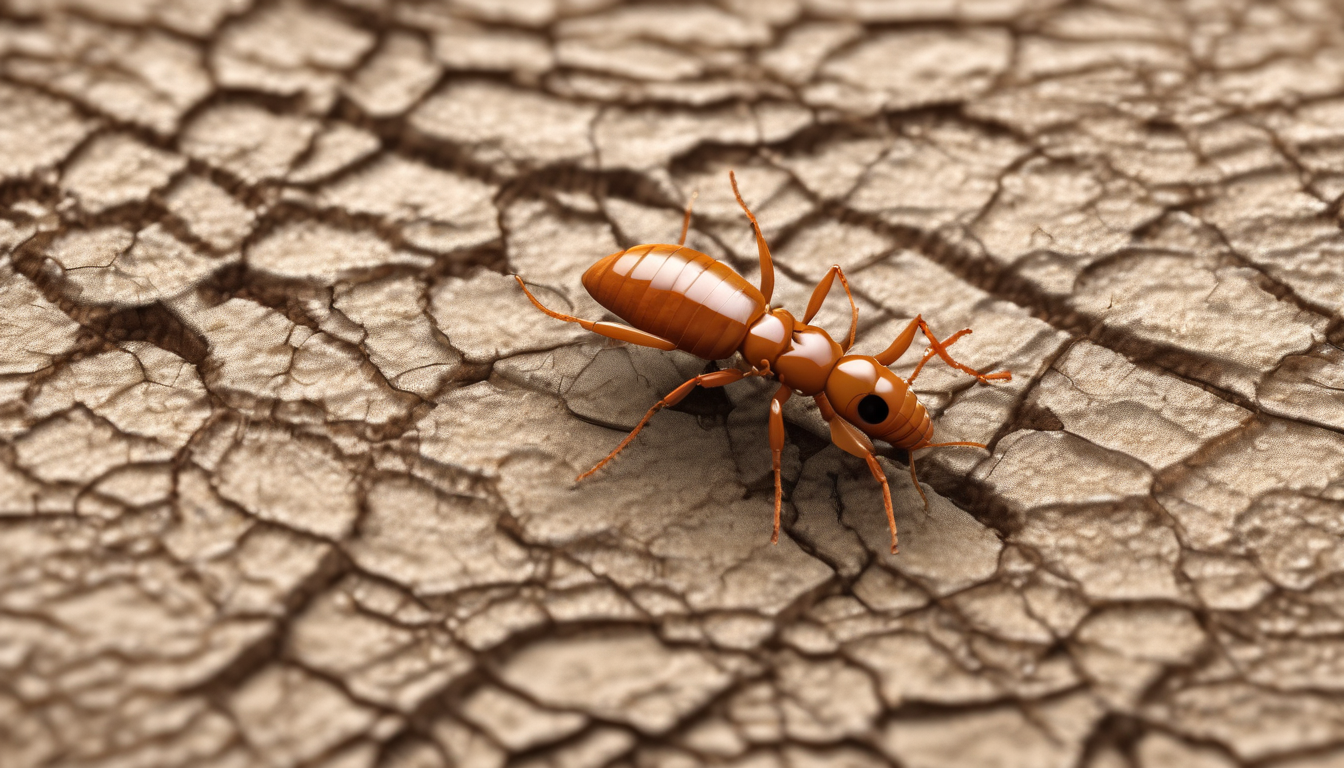

Understanding Moisture Mapping Techniques For Detecting Hidden Termite is essential. —
In the arid climate of Dubai, moisture management is a critical aspect of termite prevention and detection. Understanding Moisture Mapping Techniques for Detecting Hidden Termite can help homeowners and professionals identify termite activity before it becomes a serious problem.
—
Hidden termites often thrive in environments with consistent moisture sources, making them difficult to detect through visual inspections alone. Moisture mapping techniques provide a systematic way to identify these conditions and pinpoint areas where termite activity may be present.
Common Moisture Sources
Termite colonies require a stable moisture source, which can come from various environmental factors such as:
- Irrigation systems
- Dampness in construction materials and foundations
- Leaky plumbing or HVAC units
- Water features and pools
By identifying these moisture sources, we can trace the termite pathways and address the root cause of their presence.
—
Effective moisture mapping techniques involve using a combination of tools and methods to create detailed moisture profiles. These include:
- Digital Hygrometers: Measure relative humidity in walls, floors, and other structural elements.
- Infrared Cameras (Thermal Imaging): Detect temperature differences that indicate water presence or termite activity.
- Moisture Meters: Use pin-type meters to measure moisture content in wood and other materials.
- Ambient Sensors: Place sensors throughout the structure to monitor for changes in humidity levels over time.
These tools help create a comprehensive map of moisture distribution, which is crucial for understanding termite behavior and planning targeted treatments.
—
Case Study: Moisture Mapping in Dubai Villas
Dubai villas often have complex irrigation systems and imported hardwood flooring, making them prime targets for termites. In a recent case study, we used moisture mapping to identify a hidden termite infestation in a villa:
- Step 1: Initial Inspection: Conducted an initial inspection to locate visible signs of termite activity.
- Step 2: Moisture Mapping: Deployed digital hygrometers and moisture meters across the villa’s foundation, walls, and floors. Identified high humidity areas corresponding to a leaking irrigation line.
- Step 3: Pathway Tracing: Followed the moisture trail from the leaky irrigation line into the villa, revealing termite mud tubes and damaged woodwork.
- Step 4: Treatment Plan: Designed a treatment plan that addressed the leaking irrigation issue, installed moisture barriers, and applied targeted termite treatments to prevent further damage.
This approach ensured a comprehensive solution, addressing both the termite problem and the underlying moisture source.
—
High-Rise Building Inspection with Moisture Mapping
High-rise buildings in Dubai present unique challenges due to their complex construction and high-value assets. Moisture mapping techniques are particularly useful in these environments:
- Foundation Analysis: Inspected the building’s foundation for moisture accumulation, which can lead to termite activity.
- Façade Inspection: Traced termite pathways through expansion joints and service penetrations, identifying hidden entry points.
- Structural Integrity Checks: Evaluated the structural integrity of load-bearing elements for signs of moisture damage.
In one project, we identified a high-value commercial complex where subterranean termites had exploited a poorly sealed expansion joint. By using moisture mapping tools, we were able to pinpoint the exact location and develop a tailored treatment plan that included sealing the joint and applying termite barriers.
—
Expert Tips for Effective Termite Detection
Here are some practical tips for effective termite detection using moisture mapping techniques:
- Conduct Regular Inspections: Schedule annual or biannual inspections to monitor moisture levels and termite activity.
- Use Multiple Tools: Combine digital hygrometers, infrared cameras, and moisture meters for a comprehensive assessment.
- Identify Moisture Sources: Focus on areas with high humidity readings to trace potential termite pathways.
- Document Findings: Keep detailed records of inspections and treatment plans for future reference.
- Hire Professionals: Engage experienced pest control experts who specialize in moisture mapping techniques.
—
Frequently Asked Questions (FAQs)
Here are answers to some common questions about moisture mapping for termite detection:
- Q: Can moisture mapping detect all types of termites?
A: Yes, moisture mapping can help identify the presence of various termite species by pinpointing moisture sources that attract them.
- Q: How often should I conduct a moisture mapping inspection?
A: Conduct inspections at least annually or whenever there is a change in the building’s environment, such as new landscaping or irrigation systems.
- Q: Are moisture mapping tools expensive to use?
A: The cost varies depending on the tools used. However, investing in quality equipment can provide long-term benefits by preventing costly termite damage.
—
Conclusion: The Importance of Moisture Mapping in Termite Management
Effective moisture mapping techniques are crucial for detecting hidden termite infestations in Dubai villas and high-rise buildings. By identifying moisture sources, tracing termite pathways, and addressing the root causes, we can prevent costly damage and ensure long-term protection.
To learn more about our expertise in termite detection and prevention, visit our website or contact us for a free consultation today.
—
Contact Us for Expert Termite Protection Solutions
For more information on how moisture mapping techniques can protect your property, contact Saniservice Dubai today. Our team of experienced professionals is dedicated to providing the highest level of termite protection and prevention. Understanding Moisture Mapping Techniques For Detecting Hidden Termite is key to success in this area.
