

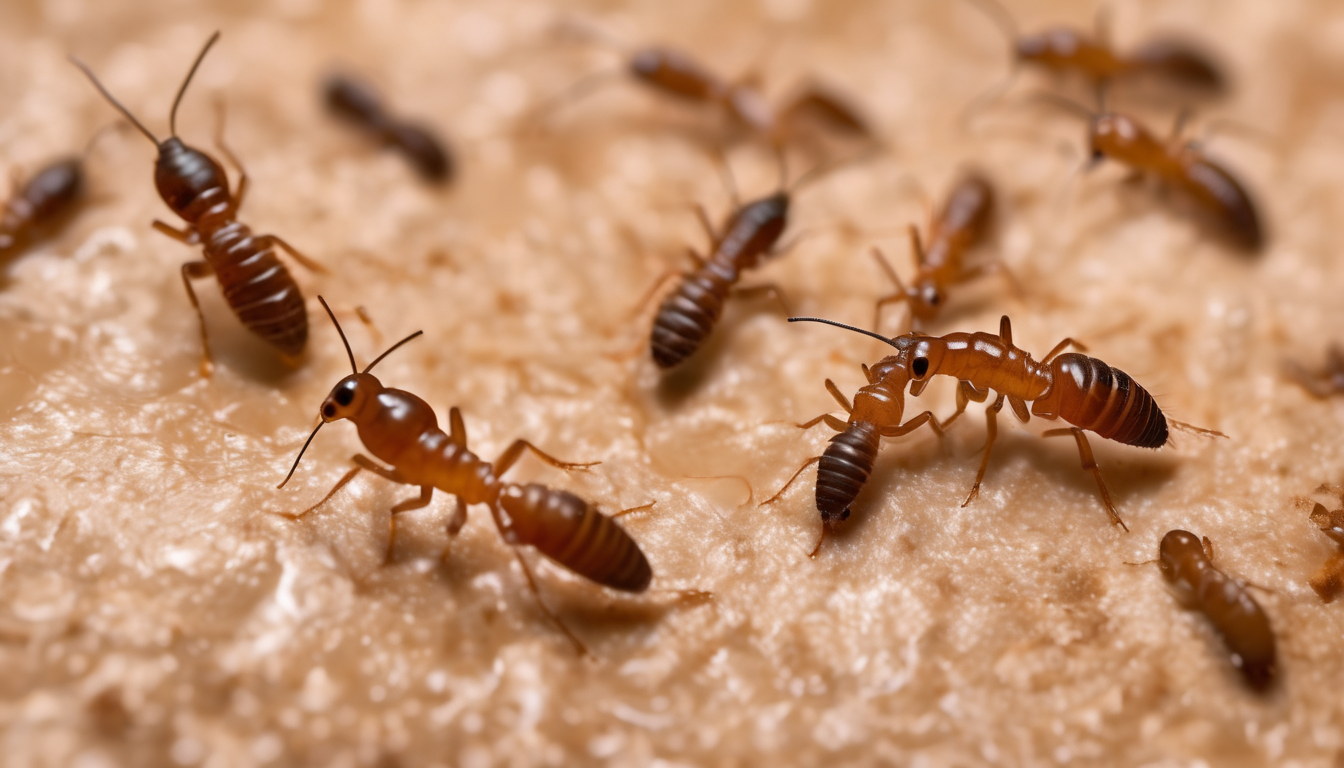

Introduction to Termite Problems in Pools
Pools are not just a source of relaxation; they can also be a potential entry point for termites into your property. Understanding why termites might be attracted to your pool and how to address the issue is crucial, especially if you live in regions with high termite activity like Dubai.
Table of Contents
- Understanding Why Are There Termites in My Pool?
- Termite Access Points and Environmental Factors
- Signs of Termite Infestations Around Pools
- Prevention Strategies for Termite Access
- Effective Termite Control Measures
- Termite Inspection and Monitoring Procedures
- Expert Tips for Pool Owners
- Frequently Asked Questions (FAQs)
- Conclusion and Final Thoughts
Understanding Why Are There Termites in My Pool?
Termite infestations around pools are often misunderstood. When asking “why are there termites in my pool,” the answer lies in understanding termite behavior. Termites need moisture, and they use the pool area as a convenient path to enter your home’s structure. The key lies in understanding their behavior and identifying specific conditions that attract them.
Pool Environment Facilitating Termite Activity
The primary reason termites are drawn to pools is the moisture they provide. Pools require constant maintenance, including:
- Proper drainage systems
- Water management protocols
- Regular leak inspections
- Adequate ventilation
Any mismanagement can lead to excess moisture, which termites cannot resist.
Termite Movements and Pool Structure Interaction
Termites are highly sensitive to moisture gradients in the soil. They use subtle changes in humidity as a guide to navigate towards areas with more favorable conditions, like the edge of your pool. Once they reach this area, they may follow any structural weaknesses or pathways into your home.
Termite Access Points and Environmental Factors
Identifying termite access points is crucial for effective management when you discover there termites in my pool area. Understanding environmental factors can help you pinpoint the entry routes and take preventive measures.
Common Termite Entry Points Around Pools
- Expansion joints in concrete structures near the pool area
- Utility lines (water, gas, electricity) buried close to the pool perimeter
- Wooden framing or posts that support the pool deck or cabana
- Drain pipes and valves with faulty seals or connections
Signs of Termite Infestations Around Pools
Recognizing early signs can help in managing the issue before it escalates. Here are some indicators that might explain why there termites in my pool area.
Mud Tubes and Termite Swarming
Mud Tubes:
- Look for thin, tube-like structures made of soil and termite feces
- Often visible along the perimeter of your pool
- Found near structural elements
Swarming:
- Termite swarms around pools indicate mature colonies
- Ready to reproduce
- Typically happens during warm weather months
Structural Damage and Debris
Wood Damage:
- Check for signs of termite damage in wooden components
- Look at beams or posts near the pool area
- Termites can easily penetrate wood
Covered Termite Trails:
- Termites cover their trails with mud for protection
- Look for debris or unusual formations near your pool
- Check for any structural irregularities
Prevention Strategies for Termite Access
To prevent termite access and avoid wondering “why are there termites in my pool,” it’s essential to address both the environment around your pool and any structural vulnerabilities.
Pool Perimeter Maintenance
- Regularly check for water leakage or pooling near the pool perimeter
- Ensure proper grading to direct water away from your home’s foundation
- Avoid planting vegetation that can obstruct drainage systems
- Create moisture traps strategically
Structural Improvements
- Seal any cracks or gaps in concrete around the pool area
- Focus on expansion joints
- Replace wooden components with termite-resistant materials
- Install moisture barriers between soil and structural elements
Effective Termite Control Measures
Once you have identified the entry points and understand why there termites in my pool, it’s important to take proactive measures to control termite populations. This relates directly to There Termites In My Pool.
Chemical Treatments
Liquid Termicides:
- Apply around the perimeter of your pool
- Focus on structural elements
- Follow manufacturer instructions
Granular Baits:
- Place termite baits in active areas
- Target expansion joints
- Monitor utility lines
Physical Barriers
Invisible Barriers:
- Install stainless steel mesh around wooden components
- Protect near structural elements
- Prevent termite entry effectively
Soil Treatments:
- Apply treatments directly into the ground
- Create barrier between soil and entry points
- Ensure comprehensive coverage
Termite Inspection and Monitoring Procedures
Regular inspections are essential to keep termite populations under control and prevent situations where there termites in my pool area.
Inspection Frequency
- Perform comprehensive inspections every 6-12 months
- Focus on spring and fall when termites are most active
- Conduct frequent spot checks if you notice any signs
- Document all findings
Monitoring Tools and Methods
Mud Tube Traps:
- Monitor for termite activity
- Place near potential entry points
- Check regularly for activity
Visual Inspections:
- Conduct thorough pool area inspections
- Look for signs of termite activity
- Check for structural damage
Expert Tips for Pool Owners
Here are some practical tips to help you manage termite risks and prevent there termites in my pool scenarios:
1. Keep the Pool Perimeter Dry
- Avoid creating standing water or pooling
- Use proper drainage systems
- Repair leaks promptly
- Monitor moisture levels
2. Seal All Expansion Joints and Service Penetrations
- Use appropriate sealing materials
- Prevent termites from entering through these points
- Regularly check for damage or gaps
- Maintain seals properly
When considering There Termites In My Pool, this becomes clear.
3. Use Termite-Resistant Building Materials
- Replace wooden components near the pool area
- Use termite-resistant materials like metal or concrete
- Significantly reduce infestation risk
- Invest in long-term protection
Frequently Asked Questions (FAQs)
Q: Can termites destroy a swimming pool? A: While termites cannot eat through concrete, they can damage wooden components of the pool structure. Regular inspections and maintenance are crucial to prevent this.
Q: How do I prevent termite swarms around my pool? A: Keep the area around your pool clean and dry. Seal any entry points and use appropriate termite control measures like baits or barriers.
Q: Can termite treatments be applied near a swimming pool? A: Yes, but always follow safety guidelines to ensure that chemicals do not contaminate the water. Use approved products specifically for such areas.
Q: Why are termites attracted to pool areas? A: Termites are attracted to the moisture provided by pools. Any leaks, standing water, or poor drainage creates ideal conditions for termite activity.
Conclusion and Final Thoughts
Managing termite infestations around your pool requires a comprehensive approach. By understanding why termites are attracted to pools, identifying entry points, and taking proactive measures, you can protect your property from significant damage. Regular maintenance and vigilance are key to preventing future infestations and ensuring your pool area remains termite-free.
