

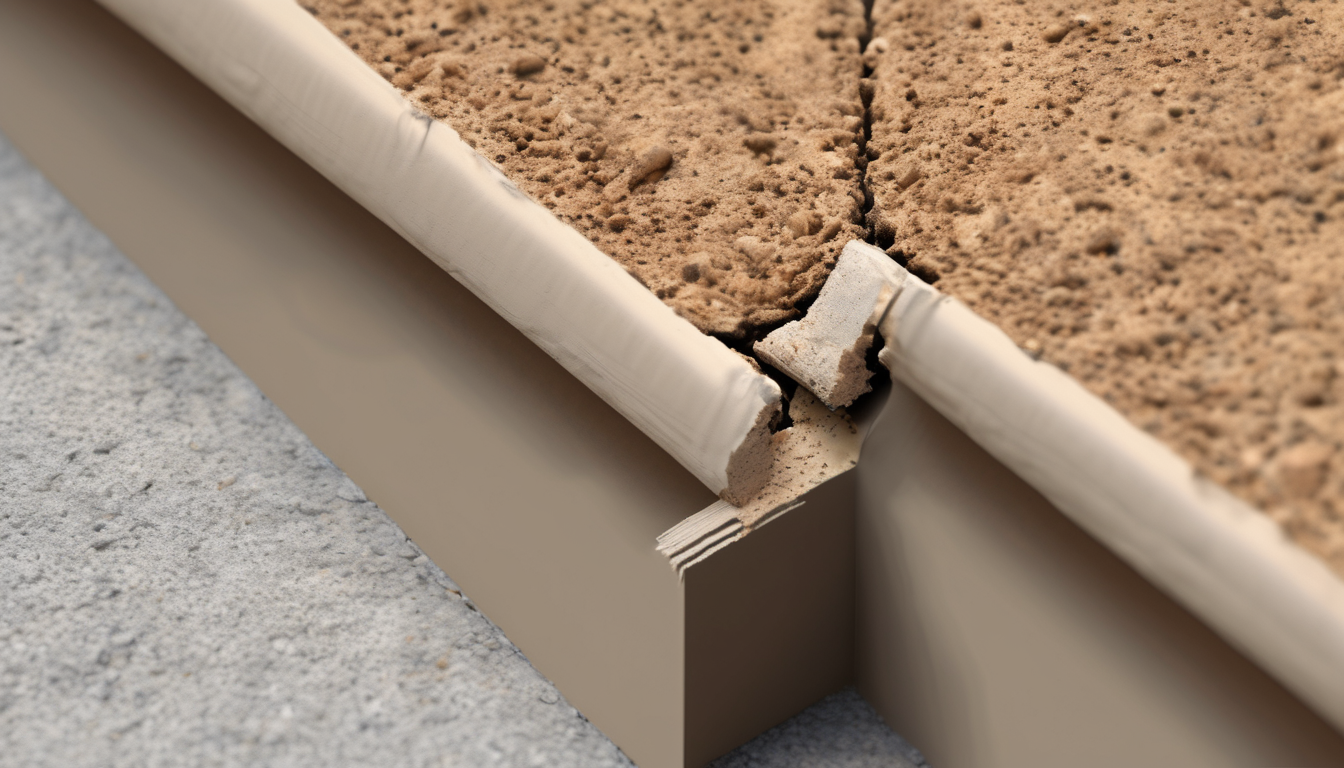

Understanding Understanding Termite Entry Points Through Expansion Joints is essential. —
Understanding Termite Entry Points Through Expansion Joints
Termite entry points are critical in understanding termite behavior and managing infestations effectively. In Dubai, a city characterized by expansive building designs, expansion joints play an essential role as potential pathways for termites to enter structures. This article delves into the various aspects of termite entry through expansion joints, providing valuable insights for both property owners and pest control professionals.
Table of Contents
Understanding Termite Entry Points Through Expansion Joints
Expansion joints in Dubai buildings serve a crucial purpose: they accommodate the thermal and structural movements of concrete and steel structures. However, these gaps can also provide entry points for subterranean termites. This article aims to explore how termite entry through expansion joints occurs, what signs to look out for, and how to prevent such infestations.
What Are Expansion Joints?
Expansion joints are structural elements designed to accommodate the thermal expansion and contraction of building materials. They are typically found in concrete slabs, walls, and floors where there is a significant temperature change or load variation. In Dubai’s hot desert climate, these joints expand during extreme heat and contract when temperatures drop, causing them to function as dynamic pathways for pests.
Termite Pathways Through Expansion Joints
Expansion joints can serve as conduits for termites in several ways:
1. Direct Entry: Termites may use expansion joints to enter buildings directly from the soil.
2. Moisture Collection: The gaps allow moisture to accumulate, providing an attractive environment for termite survival and growth.
3. Temperature Regulation: Expansion joints can act as temperature buffers, allowing termites to maintain their preferred environment despite external temperature fluctuations.
Signs of Termite Activity in Expansion Joints
Identifying termite activity in expansion joints requires a keen eye and thorough inspection:
– Mud Tubes: Termites construct mud tubes along the joint lines to protect them from predators. These tubes are often visible and can serve as early warning signs.
– Foraging Patterns: Termite foragers may follow the edges of expansion joints, making it easier to detect their presence.
– Structural Damage: Over time, termite activity within expansion joints can cause visible damage to the surrounding materials.
Preventing Termite Entry Through Expansion Joints
To prevent termites from entering through expansion joints:
1. Seal Gaps Properly: Use appropriate sealing materials such as silicone or epoxy-based compounds that are resistant to termite infestation.
2. Regular Inspections: Conduct regular inspections of expansion joints, especially during periods of high temperature and moisture.
3. Environmental Management: Maintain a dry environment around expansion joints by addressing any leaks or water pooling issues.
Case Studies of Termite Infestations
A case study from a villa complex in Dubai highlights the importance of monitoring expansion joints:
– Site Description: A luxury villa with an expansive concrete slab and multiple expansion joints.
– Issue Identified: Termites were found to be using one of the expansion joints as a primary entry point, causing significant damage to interior woodwork.
The solution involved:
1. Sealing Joints: Applying a termite-resistant sealant around all expansion joints.
2. Mud Tube Removal: Removing existing mud tubes and treating them with borate solutions.
3. Regular Monitoring: Implementing an ongoing inspection program to ensure no new activity emerges.
Expert Tips for Prevention and Management
Here are some expert tips from seasoned termite specialists:
1. Use Termite-Resistant Materials: Opt for materials that are less attractive to termites, such as certain types of wood treated with borates.
2. Proper Drainage: Ensure proper drainage around expansion joints to prevent moisture accumulation.
3. Regular Inspections and Maintenance: Regularly inspect and maintain expansion joints to detect any signs of termite activity early.
Frequently Asked Questions (FAQs)
1. Q: Can termite entry through expansion joints be prevented?
– A: Yes, by sealing gaps properly and maintaining a dry environment around the joints.
2. Q: How do I know if termites are entering through an expansion joint?
– A: Look for signs of mud tubes, foraging patterns, or structural damage in the area.
3. Q: What is the best method to seal expansion joints against termite entry?
– A: Use termite-resistant sealing materials like epoxy-based compounds.
Conclusion
Understanding termite entry points through expansion joints is crucial for effective pest management in Dubai villas and other structures. By recognizing the signs of termite activity, implementing preventive measures, and conducting regular inspections, property owners can safeguard their investments from silent but destructive infestations.
