

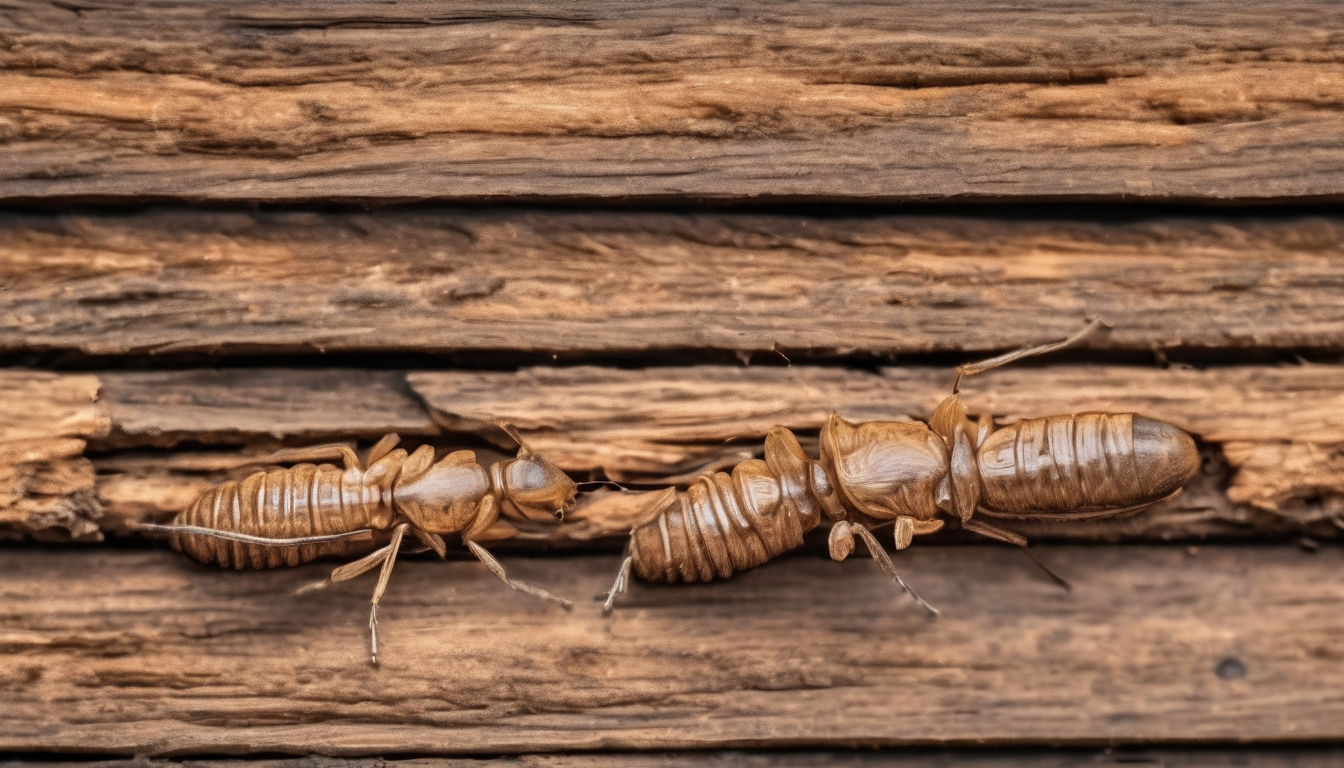

Introduction to Termite Damage in Fences
Termite damage in wooden fences is a common issue, especially in regions with high termite activity such as Dubai. These tiny insects can cause significant structural weakening and aesthetic damage if left unchecked. In this guide, we will walk you through the steps to identify termite damage in your wooden fence and provide preventive measures to keep your property safe. This relates directly to Identify Termite Damage In Wooden Fences.
Types of Wooden Fence Structures
Understanding the different types of wooden fence structures can help in identifying where termites may be more likely to cause damage. Common types include:
- Wood Posts and Rails: These are typically made from treated or untreated timber, depending on their location.
- Gates and Panels: Often constructed with wood, sometimes reinforced with metal hinges and latches.
- Timber Infills: Used as decorative elements between rails and posts, often prone to rot if not properly treated.
Signs of Termite Damage on Wooden Fences
Detecting termite damage early can prevent extensive structural issues. Here are some signs to look for:
- Visible Mud Tubes: These are tunnels termites construct from the soil to the wood, often visible along the base of posts and rails.
- Sagging or Buckling Rails: Termite-infested fence components may appear weakened and may sag under their own weight.
- Missing Nails and Fasteners: Termite damage can cause nails to pull out, leading to loose or uneven sections of the fence.
- Changes in Wood Coloration: Infested wood may turn a darker color due to moisture accumulation and fungal growth.
- Peeling Paint: Termite activity can cause paint to peel off, exposing underlying wood that may be damaged.
How to Inspect for Termite Pores and Tubes
Inspecting for termite pores and tubes involves careful observation and some basic tools. Follow these steps:
- Check the Base of Posts and Rails: Mud tubes are often visible here, typically following the perimeter of the fence.
- Use a Flashlight: Shine a flashlight into crevices and joints to detect any signs of termite activity or tunnels.
- Look for Small Pores: Termite entry points may appear as small, irregular holes in the wood. Use a magnifying glass if necessary.
- Inspect Behind Fencing Panels: Peel back any panels to check for signs of termite damage or mud tubes on hidden sides.
Examining Suspect Areas in Depth
To thoroughly examine suspect areas:
- Use a Moisture Meter: Termite activity often correlates with increased moisture levels. Insert the meter into suspicious areas.
- Examine Rails for Sagging or Warping: These can indicate termite-infested wood that is less structurally sound.
- Check Posts and Rails for Loose Nails: Termite damage can cause nails to pull out, leading to weak points in the fence.
- Look for Changes in Wood Texture: Infested wood may feel softer or have an uneven texture compared to undamaged areas.
Taking Preventive Measures Against Termites
To prevent termite damage, consider the following:
- Use Termite-Resistant Wood: Opt for treated or naturally resistant wood species.
- Proper Drainage and Ventilation: Ensure that soil around fence posts is well-drained to reduce moisture retention.
- Regular Inspections: Conduct routine inspections, especially during the rainy season when termites are more active.
- Apply Termite Barriers: Consider professional installation of chemical barriers or physical barriers such as stainless steel mesh.
Experts’ Tips for Termite Prevention
Here are some expert tips to keep your wooden fence safe from termites:
- Keep the Soil Dry Around Posts and Rails: Use gravel or sand around posts instead of mulch to reduce moisture.
- Clean Gutters Regularly: Ensure that gutters and downspouts direct water away from your fence.
- Seal Any Gaps in the Fence: Fill gaps between rails, posts, and infills with sealant to prevent termite entry.
- Inspect for Cracks or Splitting: These can serve as easy entry points for termites. Repair any damage promptly.
Frequently Asked Questions
- Q: How often should I inspect my wooden fence for termite damage?
- A: Inspect your fence at least twice a year, especially after rainfall or during the summer months when termites are more active.
Q: Can termites live in metal parts of fences?
A: While termites prefer wood, they can still cause damage to metal parts by weakening the structure around them. Regularly check for signs of corrosion or termite activity on metal components.
Q: How long does it take for termite damage to become noticeable?
A: The time frame varies but can range from a few months to several years, depending on the severity and type of infestation. Regular inspections are key to early detection.
When considering Identify Termite Damage In Wooden Fences, this becomes clear.
For more information, visit this resource.
Conclusion
Identifying termite damage in wooden fences is crucial for maintaining your property’s integrity and aesthetics. By understanding the signs of termite activity, conducting thorough inspections, and taking preventive measures, you can protect your fence from these silent destroyers. Remember to stay vigilant and seek professional assistance when needed. Understanding Identify Termite Damage In Wooden Fences is key to success in this area.
